


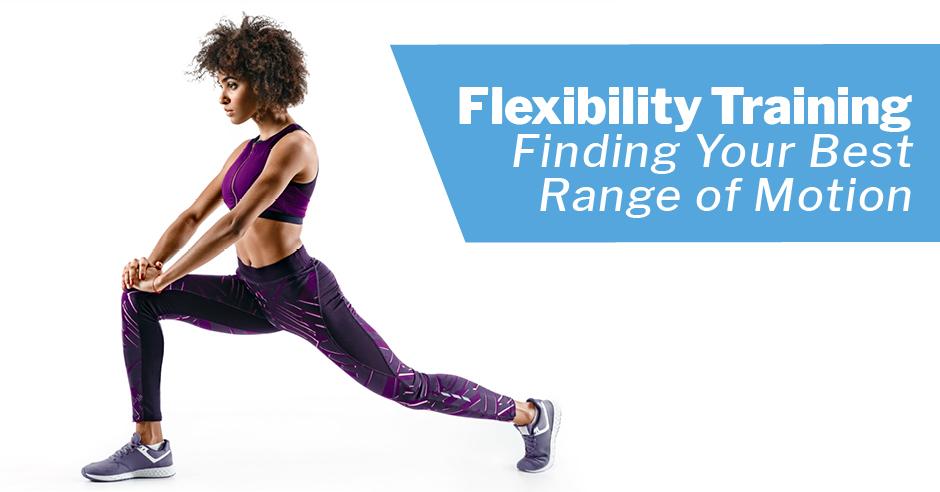
In a world that constantly demands more from us—more movement, more energy, and more resilience—flexibility often takes a backseat in our fitness journeys. Yet, it is the silent architect of strength and agility, the key that unlocks a wealth of physical potential just waiting to be discovered. Whether you’re an athlete striving to enhance performance, a busy professional aiming to reduce stress, or someone simply seeking a more fluid way of moving through life, flexibility is the foundation that supports your aspirations.
This comprehensive guide invites you to embark on a transformative journey toward enhanced flexibility. Here, you’ll uncover tailored techniques, expert insights, and practical tips designed to suit all levels and lifestyles. As we explore the myriad benefits of flexibility training—from improved posture and reduced injury risk to increased range of motion and enhanced mental clarity—you’ll learn to embrace this essential aspect of fitness not as a chore, but as a pathway to unlocking your full potential. Let’s stretch the boundaries of what you thought possible and dive into a world where flexibility becomes your greatest ally.
Table of Contents
- Understanding the Science Behind Flexibility and Its Benefits
- Essential Techniques for Building a Tailored Flexibility Routine
- Incorporating Flexibility Training into Your Daily Life
- Common Mistakes to Avoid for Optimal Flexibility Progress
- In Conclusion
Understanding the Science Behind Flexibility and Its Benefits
Flexibility is not just about being able to touch your toes; it’s a dynamic interplay of muscles, tendons, and nervous system responses. At its core, flexibility involves the ability of a joint to move through its full range of motion, and it is influenced by several physiological factors including muscle elasticity, joint structure, and even age. As we engage in activities that require flexibility, we promote the health of our joints and connective tissues, which can lead to improved athletic performance, reduced risk of injury, and enhanced muscle coordination. Furthermore, flexibility training stimulates the production of synovial fluid, which lubricates joints, providing smoother movement and reducing wear and tear.
The benefits of flexibility extend beyond physical capabilities; they influence our overall well-being. Improved flexibility can lead to better posture, reduced muscle tension, and increased blood circulation, all contributing to enhanced physical and mental health. Regular flexibility practice fosters body awareness and mindfulness, helping individuals to connect with their physical selves in a holistic way. Here are some key advantages:
- Enhances range of motion: Greater flexibility allows for more efficient movement in daily and athletic activities.
- Reduces muscle soreness: Stretching aids in recovery post-exercise and can diminish the intensity of soreness.
- Improves balance and stability: A flexible body can better adapt to changing movements, which is vital for coordination.
Essential Techniques for Building a Tailored Flexibility Routine
Creating a personalized flexibility routine requires a blend of understanding your body’s unique needs and implementing techniques that foster gradual improvement. Start by identifying your current flexibility levels and areas that require attention. This can be achieved through self-assessment methods like a basic range of motion test. From there, explore various forms of stretching such as dynamic, static, and PNF (Proprioceptive Neuromuscular Facilitation) stretching. Each has its own benefits: dynamic stretching serves as an effective warm-up, static stretching enhances muscle recovery, and PNF stretching can quickly improve flexibility through resistance and relaxation.
Incorporate a variety of stretches into your routine to target different muscle groups. Employ tools like yoga straps or foam rollers for assistance and to deepen your stretches. Establish a schedule that balances intensity and recovery, providing your muscles ample time to adapt and grow. Here’s a simple weekly breakdown to inspire your routine:
| Day | Focus | Duration |
|---|---|---|
| Monday | Upper Body Stretch | 20 mins |
| Tuesday | Lower Body Stretch | 25 mins |
| Wednesday | Core Mobility | 20 mins |
| Thursday | Full Body Routine | 30 mins |
| Friday | Yoga Fusion | 30 mins |
| Saturday | Active Recovery | 15 mins |
| Sunday | Rest | – |
Incorporating Flexibility Training into Your Daily Life
Incorporating flexibility training into your daily routine can be both simple and enjoyable. Start by integrating short, 5-10 minute stretching sessions into your day. Consider the following opportunities to sneak in some flexibility work:
- During your morning routine, take a moment for dynamic stretches like arm circles or leg swings.
- While watching television, perform gentle stretches on the floor, such as hamstring stretches or seated forward bends.
- Use your lunch break for a quick stroll, pairing it with static stretches targeting your hips and shoulders.
- Before bed, engage in relaxation stretches to unwind and improve your overall flexibility.
To keep track of your progress and maintain motivation, consider using a simple chart or table. Here’s a suggested way to outline your weekly goals:
| Day | Stretching Focus | Duration |
|---|---|---|
| Monday | Neck & Shoulders | 10 minutes |
| Tuesday | Back & Spine | 15 minutes |
| Wednesday | Legs & Hips | 20 minutes |
| Thursday | Full Body | 30 minutes |
| Friday | Chest & Arms | 10 minutes |
| Saturday | Balance & Core | 15 minutes |
| Sunday | Yoga & Relaxation | 30 minutes |
By making flexibility training a consistent part of your daily life, you can unlock your body’s potential and enjoy the myriad benefits it offers. The key is to stay adaptable with your approach to ensure it fits seamlessly into your interests and commitments.
Common Mistakes to Avoid for Optimal Flexibility Progress
Achieving optimal flexibility requires a well-rounded approach, yet many individuals unknowingly fall into common pitfalls that hinder their progress. One frequent mistake is rushing through warm-ups, which can lead to injuries and reduced performance. Always take the time to gradually increase your heart rate and warm the muscles with dynamic movements. Additionally, neglecting proper form during stretches can result in ineffective training and strain on the body. Focused attention on alignment and technique is crucial to prevent injuries and ensure maximum benefits.
Another area of concern is inconsistency in training frequency. It’s essential to develop a consistent routine rather than sporadically attempting to stretch when it’s convenient. Flexibility is a skill that requires regular practice, so aim for a balanced schedule that incorporates flexibility exercises multiple times a week. Moreover, not integrating a variety of techniques can stall progress. Ensure your training regimen includes static, dynamic, and proprioceptive neuromuscular facilitation (PNF) stretching to target different muscle groups and enhance overall flexibility.
In Conclusion
As we conclude this journey through the realm of flexibility training, we hope you’ve discovered the keys to unlocking your true potential. Remember, flexibility is not just a physical attribute; it’s a pathway to greater movement quality, enhanced performance, and a deeper connection with your body. Whether you’re an athlete seeking to improve your game or someone looking to cultivate a healthier lifestyle, the principles outlined in this guide can serve as your roadmap.
As you embark on your flexibility training voyage, embrace the process—celebrate each small victory and remain patient with the challenges that may arise. Your body is a remarkable vessel, capable of incredible feats when nurtured and challenged properly. So stretch your limits, explore new boundaries, and allow your newfound flexibility to enrich not just your workouts but your everyday life.
In the words of the wise, “The only limits that exist are the ones you place upon yourself.” Start today, unlock your potential, and let your journey to flexibility transform you in ways you never imagined possible. Happy stretching!