


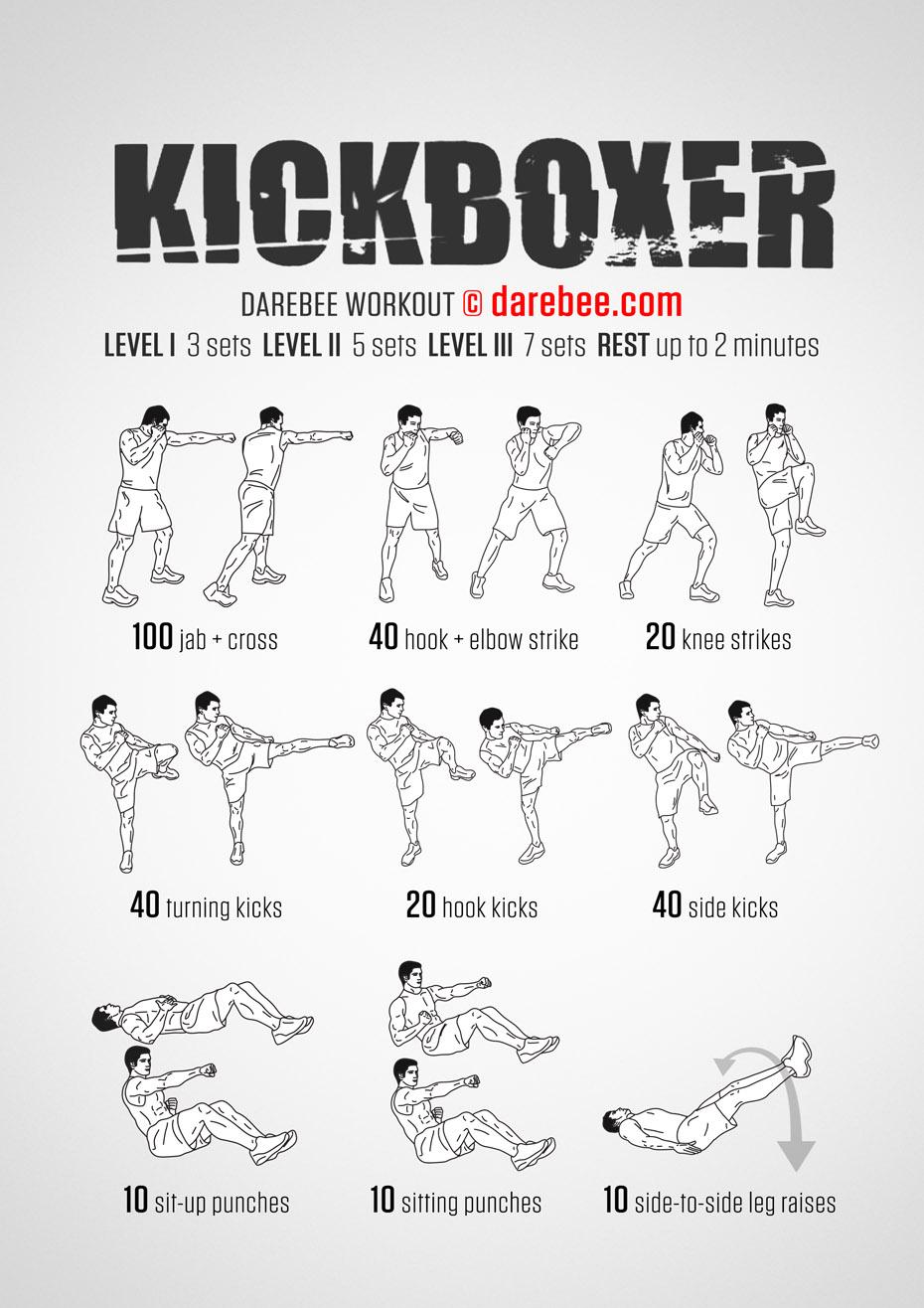
Kickboxing has emerged as a popular fitness choice for individuals seeking an engaging and effective workout routine. This high-energy discipline combines martial arts techniques with cardiovascular exercise, providing an innovative approach to fitness that caters to various skill levels. For fitness enthusiasts, kickboxing sessions can enhance strength, flexibility, and endurance while simultaneously serving as a stress-reliever. This article offers an overview of effective kickboxing workouts tailored to diverse fitness goals, highlighting essential techniques, training styles, and personal considerations to help individuals incorporate kickboxing into their fitness regimen effectively. By examining the structure of these workouts and their benefits, readers can gain valuable insights into how to optimize their training experience and achieve their desired fitness outcomes.
Table of Contents
- Understanding the Benefits of Kickboxing for Overall Fitness
- Key Components of a Comprehensive Kickboxing Workout
- Essential Techniques and Skills for Beginners
- Incorporating Kickboxing into Your Weekly Fitness Routine
- In Conclusion
Understanding the Benefits of Kickboxing for Overall Fitness
Kickboxing serves as a comprehensive workout that not only enhances physical strength but also significantly boosts cardiovascular health. This high-energy activity integrates elements of martial arts and traditional boxing, providing a full-body workout that engages various muscle groups simultaneously. Benefits include:
- Improved Cardiovascular Endurance: Elevated heart rate during workouts improves stamina over time.
- Enhanced Muscle Tone: Engaging in various kicks and punches strengthens arms, legs, and core.
- Increased Flexibility: Dynamic movements contribute to a greater range of motion and flexibility.
- Stress Relief: The intensity of kickboxing techniques serves as a productive outlet for stress.
Moreover, kickboxing workouts often include a combination of bag work, shadow boxing, and partner drills, which keeps the exercises fresh and engaging. Key components that influence fitness outcomes:
| Component | Description | Effect on Fitness |
|---|---|---|
| Bag Work | Punching and kicking a heavy bag. | Builds strength and power. |
| Shadow Boxing | Practicing techniques without a partner. | Enhances coordination and technique. |
| Conditioning Drills | High-intensity interval training movements. | Boosts endurance and burns calories. |
Key Components of a Comprehensive Kickboxing Workout
A well-rounded kickboxing workout encompasses several key elements that contribute to overall fitness and skill development. The foundation of any effective routine includes body conditioning, where exercises target strength, agility, and endurance through dynamic movements. Warm-up stretching and mobility drills not only prepare the body for the rigorous activities ahead but also enhance flexibility, reducing the risk of injury. Following the conditioning phase, core kickboxing techniques such as punching, kicking, and footwork drills are vital. These practices improve coordination, speed, and technique, essential for both beginners and advanced practitioners alike.
Moreover, integrating high-intensity interval training (HIIT) can elevate heart rates and boost calorie burn. This involves alternating periods of intense workouts with short recovery phases, maximizing efficiency and effectiveness. Additionally, incorporating partner drills or shadow boxing can enhance reaction time and simulate real fight conditions. To round off the session, a cool down is crucial; it allows the body to recover while improving flexibility. Here’s a brief overview of common components found in a kickboxing workout:
| Component | Description |
|---|---|
| Warm-Up | Dynamic stretches and mobility exercises to prepare the body. |
| Conditioning | Strength, agility, and endurance exercises to support kickboxing movements. |
| Technique Drills | Practicing punches, kicks, and footwork to improve skills. |
| HIIT | High-intensity workouts for enhanced cardiovascular fitness. |
| Cool Down | Stretching and relaxation to facilitate recovery post-workout. |
Essential Techniques and Skills for Beginners
For beginners delving into the world of kickboxing, mastering fundamental techniques is crucial for both safety and effectiveness. Focus on the following essential skills to build a strong foundation:
- Stance and Guard: Develop a solid stance to ensure balance and mobility. Your guard should protect your face and body while allowing for quick strikes.
- Footwork: Master the basic footwork patterns, including forward, backward, and lateral movements, to enhance your agility and ability to evade strikes.
- Punching Techniques: Practice the core punches—jab, cross, hook, and uppercut—emphasizing proper form to maximize power and minimize injury.
- Kick Techniques: Familiarize yourself with basic kicks such as front kicks, roundhouse kicks, and sidekicks, focusing on precision and technique.
- Breath Control: Implement proper breathing techniques to maintain stamina and control during intense workouts.
Incorporating drills that reinforce these skills will enhance your kickboxing practice. Some recommended drills include:
| Drill | Focus | Duration |
|---|---|---|
| Shadow Boxing | Punching and kicking techniques | 3 minutes |
| Footwork Drills | Agility and stance | 5 minutes |
| Pads or Bag Work | Power and precision | 4 rounds of 2 minutes |
| Cool Down Stretching | Flexibility and recovery | 5 minutes |
Regularly practicing these drills will build your confidence and ability in the ring, setting the stage for more advanced techniques as you progress in your kickboxing journey.
Incorporating Kickboxing into Your Weekly Fitness Routine
Integrating kickboxing into your weekly fitness regimen can elevate your physical conditioning while providing a fun, dynamic cardio workout. Aim for at least two to three sessions per week to maximize the benefits. Each workout can vary in structure and focus, but incorporating a mix of techniques ensures well-rounded strength and agility development. Consider alternating between different types of sessions, such as:
- Technique Focus: Hone your punching, kicking, and footwork skills.
- Cardio Workouts: Engage in high-intensity interval training (HIIT) that includes kickboxing combos.
- Strength Training: Incorporate resistance exercises that complement kickboxing moves.
To help you plan your kickboxing workouts, here’s a simple weekly structure that balances intensity and recovery:
| Day | Workout Type | Duration |
|---|---|---|
| Monday | Technique Focus | 30 minutes |
| Wednesday | HIIT Cardio | 45 minutes |
| Friday | Strength Training | 30 minutes |
| Saturday | Active Recovery (e.g., yoga or light cardio) | 30 minutes |
This structured approach not only helps in preventing burnout but also in developing a consistent routine that can lead to noticeable gains in fitness levels over time. Pair your kickboxing workouts with proper nutrition and hydration to further enhance performance and recovery.
In Conclusion
effective kickboxing workouts offer a versatile and engaging fitness option for enthusiasts at various skill levels. By combining cardiovascular conditioning, strength training, and skill development, these workouts not only enhance physical fitness but also improve coordination and self-defense capabilities. As individuals seek to incorporate kickboxing into their fitness routines, it is important to consider personal goals, fitness levels, and training environments. Whether in a group class or a solo training session, the benefits of kickboxing extend beyond mere fitness, fostering discipline and mental resilience. As the popularity of kickboxing continues to grow, individuals are encouraged to explore the various styles and techniques to find the best fit for their personal fitness journey.