


In the quest for a healthy, sculpted physique, the conversation often revolves around specific muscle groups or flashy exercise trends. Yet, beneath the surface of aesthetic goals lies a fundamental aspect that can redefine the way we approach fitness: core strength. Often overlooked in favor of bicep curls or leg presses, the core serves as the powerhouse of our bodies, playing a pivotal role not only in athletic performance but also in daily activities and overall health. In this article, we will delve into the essential role of core strength, exploring its impact on physical stability, injury prevention, and functional movement. Whether you’re an aspiring athlete, a weekend warrior, or simply someone looking to enhance everyday life, understanding and maximizing your core can be transformative. Join us as we unveil the secrets to a stronger center and the myriad benefits it brings to your holistic well-being.
Table of Contents
- Harnessing the Power of Your Core: Understanding Its Essential Role in Overall Fitness
- Building a Strong Foundation: Effective Exercises to Enhance Core Strength
- Core Stability for Everyday Life: Practical Tips for Integration into Your Routine
- Beyond Aesthetics: The Impact of Core Strength on Athletic Performance and Injury Prevention
- In Retrospect
Harnessing the Power of Your Core: Understanding Its Essential Role in Overall Fitness
Core strength is the foundation upon which all physical activity is built. Engaging this central part of your body enhances not only your strength but also improves your balance and stability. A strong core allows for greater efficiency in movement by enabling different muscle groups to work in harmony. This is especially crucial during exercises such as running, squatting, or climbing. By developing your core, you create a solid base that minimizes the risk of injury and maximizes performance. Incorporating a variety of core exercises can target multiple muscle groups, including:
- Rectus Abdominis – the “six-pack” muscles that also support spine flexion
- Obliques – responsible for rotational movements and lateral flexion
- Transverse Abdominis – acts like a corset around your torso for stability
- Multifidus – small muscles that stabilize the vertebrae in your spine
Moreover, the benefits of a strong core extend beyond athletic performance and physical fitness. They also contribute significantly to posture, which is essential for both daily life and exercise. Good posture aligns the body, reducing strain on muscles and ligaments. Additionally, proper core strength can alleviate back pain and enhance your agility. Here’s a quick comparison of common core exercises and their targeted benefits:
| Exercise | Primary Benefit |
|---|---|
| Plank | Improves overall core stability |
| Russian Twist | Enhances oblique strength |
| Bird-Dog | Promotes balance and coordination |
| Crunches | Tones the rectus abdominis |
Building a Strong Foundation: Effective Exercises to Enhance Core Strength
Developing core strength isn’t just about achieving aesthetic goals; it’s about enhancing functional fitness that carries over into every aspect of your life. A solid core supports your body during various activities, improving stability and preventing injuries. To effectively target your core, consider incorporating a blend of dynamic movements that engage multiple muscle groups. Some of the most impactful exercises include:
- Planks: A foundational exercise that strengthens the entire core while promoting good posture.
- Russian Twists: This rotational move engages the obliques and improves flexibility.
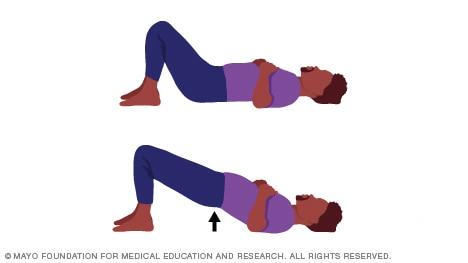
- Bridges: These not only target the lower back but also activate the glutes, enhancing overall stability.
- Dead Bugs: A fantastic way to engage the deep core muscles while maintaining spinal alignment.
- Pilates and Yoga: Both disciplines focus on core engagement, balance, and flexibility, making them excellent for overall strength.
To track your progress and ensure you’re challenging your muscles effectively, consider integrating an exercise schedule that progressively increases intensity. Use the following table as a guide to monitor your weekly routine:
| Day | Exercise | Duration/Reps |
|---|---|---|
| Monday | Plank | 3 sets of 30 seconds |
| Wednesday | Russian Twists | 3 sets of 15 reps |
| Friday | Bridges | 3 sets of 10 reps |
Consistency is key; aim to incorporate these exercises into your routine at least three times a week. By focusing on these foundational movements, you’ll progressively build a strong core that supports your overall fitness journey. Remember, every exercise counts, and small improvements can lead to significant results over time!
Core Stability for Everyday Life: Practical Tips for Integration into Your Routine
Integrating core stability practices into your daily routine doesn’t have to be a monumental task. Simple adjustments and mindful movements can greatly enhance your core strength without requiring extensive workout sessions. Start with the basics: incorporate engaging exercises such as planks and bird dogs into your warm-up. These can be done first thing in the morning or even during a break at work. Don’t forget to focus on your posture throughout the day. Whether you’re sitting at a desk or standing in line, keep your shoulders back and abdomen gently engaged to promote core awareness.
Another effective way to strengthen your core is to integrate balance challenges into your everyday activities. For instance, try standing on one foot while brushing your teeth or doing calf raises while waiting for your coffee to brew. You can also use everyday items as props: perform modified exercises such as seated leg raises while on the sofa or pelvic tilts while driving (at appropriate times). These small changes will not only build core stability but also enhance your overall functional strength, making daily tasks more manageable and reducing the risk of injury.
Beyond Aesthetics: The Impact of Core Strength on Athletic Performance and Injury Prevention
The benefits of developing core strength extend far beyond mere aesthetics; they play a crucial role in enhancing athletic performance across various sports. A robust core serves as the body’s powerhouse, enabling efficient transfer of energy between the upper and lower body. This connectivity is essential for executing dynamic movements, whether it’s sprinting, jumping, or pivoting. By strengthening the core, athletes experience improved balance, coordination, and stability, which are vital components for success in any competitive arena. Furthermore, an engaged core helps maintain proper posture, contributing to optimal biomechanics during physical activity.
In addition to performance benefits, a well-developed core acts as a protective barrier against injuries. A strong core stabilizes the spine and pelvis, minimizing the risk of strains and sprains that often result from overexertion or improper technique. By engaging in targeted core training, athletes can build resilience against common injuries, particularly in the lower back, knees, and shoulders. Here are key aspects to consider:
- Dynamic Core Exercises: Incorporate movements such as planks, Russian twists, and medicine ball throws to bolster strength.
- Stability Training: Utilize balance boards or stability balls to enhance proprioception.
- Consistency: Establish a regular core workout routine for sustained benefits.
In Retrospect
As we wrap up our exploration of core strength and its transformative power, it becomes clear that the journey to a healthier body begins at the center. Your core is not merely a collection of muscles; it is the foundation upon which your physical strength, stability, and overall well-being are built. By nurturing this vital area, you unlock potential that extends far beyond aesthetics, enhancing your posture, performance, and resilience in daily life.
Remember, boosting your core strength is an ongoing process—just as life is a continuous journey of growth. Whether you’re embarking on a new fitness regime or seeking to elevate your existing routine, integrating core-focused exercises will empower you to face challenges with confidence and grace.
So, take a moment to reflect on how core strength can enrich your life. With each diligent practice, you’ll not only transform your body but also cultivate a deeper connection with your own capabilities. Embrace this central pillar of fitness, and let it guide you toward a balanced and vibrant life. The adventure of transformation starts now—are you ready to strengthen your core and redefine what’s possible?