


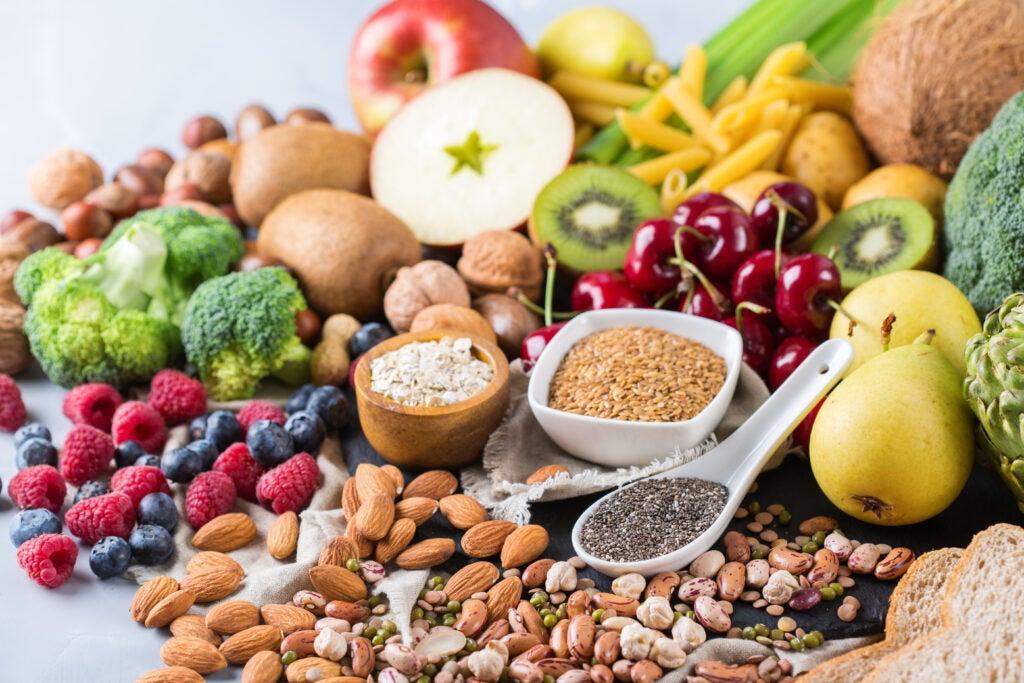
In the quest for weight loss, countless strategies, diets, and trends can leave one feeling overwhelmed and uncertain. Amidst the noise, one unsung hero quietly stands out: fiber. Often relegated to the sidelines of nutrition discussions, fiber is more than just a dietary staple; it’s a powerful ally in achieving your weight loss goals. As we unpack the multifaceted role of fiber in our diets, we’ll explore its diverse benefits, from promoting satiety to aiding digestion, and how it can seamlessly fit into your everyday meals. Join us on this journey to discover how a deeper understanding of fiber can transform not just your plate, but your approach to weight loss.
Table of Contents
- Understanding the Role of Fiber in Weight Management
- Types of Fiber and Their Unique Benefits for Weight Loss
- Incorporating Fiber into Your Diet: Practical Tips and Recipes
- Debunking Common Myths About Fiber and Weight Loss
- Future Outlook
Understanding the Role of Fiber in Weight Management
Fiber is more than just a dietary component; it’s a powerful tool in the battle against unwanted pounds. When we consume fiber-rich foods, they often require more chewing, which increases our overall eating time and enhances the sensation of fullness—leading to reduced overall calorie intake. In addition to promoting satiety, fiber significantly slows down the digestibility of carbohydrates, helping maintain stable blood sugar levels. This balance can diminish those pesky hunger pangs and cravings that often lead to unhealthy snacking. Here are some fiber-packed foods that can keep you feeling satisfied:
- Whole grains: Oats, quinoa, and brown rice
- Fruits: Berries, apples, and bananas
- Vegetables: Broccoli, carrots, and leafy greens
- Legumes: Lentils, chickpeas, and black beans
Beyond the feeling of fullness, fiber also promotes digestive health, ensuring your digestive tract operates smoothly and efficiently. This can decrease the risk of constipation and promote a healthy gut microbiome, both of which can influence weight loss and overall well-being. It’s worth noting that there are two types of dietary fiber: soluble and insoluble, both of which play unique roles in weight management. Here’s a brief comparison:
| Type of Fiber | Benefits |
|---|---|
| Soluble Fiber |
– Dissolves in water |
| Insoluble Fiber |
– Does not dissolve in water |
Types of Fiber and Their Unique Benefits for Weight Loss
Fiber comes in two main forms: soluble and insoluble, each playing a crucial role in weight loss and overall health. Soluble fiber, found in foods like oats, beans, and apples, dissolves in water to form a gel-like substance. This unique property helps slow down digestion, leading to increased satiety and reduced overall calorie intake. By stabilizing blood sugar levels, soluble fiber can curb cravings and help you maintain energy levels throughout the day. In contrast, insoluble fiber, found in whole grains, nuts, and vegetables, does not dissolve in water. It acts as a bulking agent, promoting regular bowel movements and preventing constipation, which can be essential for a healthy weight loss journey.
Both types of fiber contribute to weight loss in different ways, allowing them to complement each other effectively. Integrating a variety of fiber-rich foods into your diet can offer a spectrum of health benefits. Here’s a quick overview highlighting some key sources and benefits of each type:
| Type of Fiber | Sources | Unique Benefits |
|---|---|---|
| Soluble | Oats, Barley, Beans, Apples | Promotes satiety, stabilizes blood sugar |
| Insoluble | Whole Grains, Nuts, Carrots, Cauliflower | Enhances digestion, prevents constipation |
Incorporating Fiber into Your Diet: Practical Tips and Recipes
Incorporating fiber into your meals can be both simple and delightful. Start by including a variety of high-fiber foods in your grocery list, such as:
- Legumes: Beans, lentils, and chickpeas are not only rich in fiber but also versatile for soups, salads, and stews.
- Whole grains: Opt for brown rice, quinoa, and whole-grain bread to boost your fiber intake while enjoying hearty meals.
- Fruits and vegetables: Aim for a colorful plate with fruits like raspberries, pears, and veggies like broccoli and carrots which contribute fiber and essential nutrients.
Consider experimenting with delicious recipes that highlight these fiber-rich ingredients. For instance, try a quinoa salad mixed with black beans, diced bell peppers, and avocado, drizzled with a zesty dressing. Alternatively, blend a smoothie using spinach, banana, and oats for a quick breakfast packed with fiber. You can also prepare a vegetable stir-fry featuring broccoli, carrots, and snap peas, served over brown rice for a filling dinner. Remember, the key is to gradually increase your fiber intake while staying hydrated for optimal digestion.
Debunking Common Myths About Fiber and Weight Loss
When it comes to fiber and weight loss, several myths have emerged that can mislead individuals on their health journeys. One prevalent misconception is that all fiber is created equal, which overlooks the difference between soluble and insoluble fiber. Soluble fiber, found in foods like oats and legumes, can effectively slow digestion and promote feelings of fullness, while insoluble fiber primarily aids in digestion. Understanding this distinction can help tailor dietary choices more effectively to support weight loss efforts.
Another common myth is the belief that consuming more fiber automatically leads to rapid weight loss. While fiber is undoubtedly beneficial, simply increasing intake without considering overall dietary balance and portion control can lead to unintended outcomes. A sustainable weight loss plan should include a variety of nutrient-dense foods and consistent meal planning. Here are some essential points to consider regarding fiber’s role in weight management:
- Promotes Satiety: High-fiber foods tend to be more filling, which may reduce overall calorie intake.
- Enhances Digestive Health: Fiber aids in regular bowel movements, which is essential for overall well-being.
- Supports Nutrient Absorption: A fiber-rich diet often correlates with higher consumption of fruits, vegetables, and whole grains, leading to better health outcomes.
Future Outlook
As we conclude our exploration of fiber, it’s clear that this often-overlooked nutrient holds the key to not only enhancing our overall health but also assisting in the pursuit of weight loss goals. By incorporating fiber-rich foods into your daily diet, you empower yourself to feel fuller for longer, regulate your digestion, and stabilize blood sugar levels – all of which are critical components of a successful weight loss strategy.
Remember, the journey to achieving these goals is not just about restriction or deprivation; it’s about nourishment and balance. Embrace the diverse range of fiber sources available, from fruits and vegetables to whole grains and legumes, and allow them to work in harmony with your body.
So, as you navigate your path towards wellness, think of fiber not merely as a dietary component but as a steadfast ally—one that supports you in every step, keeping you satisfied, healthy, and on track. Here’s to celebrating the small victories and making mindful choices that not only transform your body but also enhance your life!