


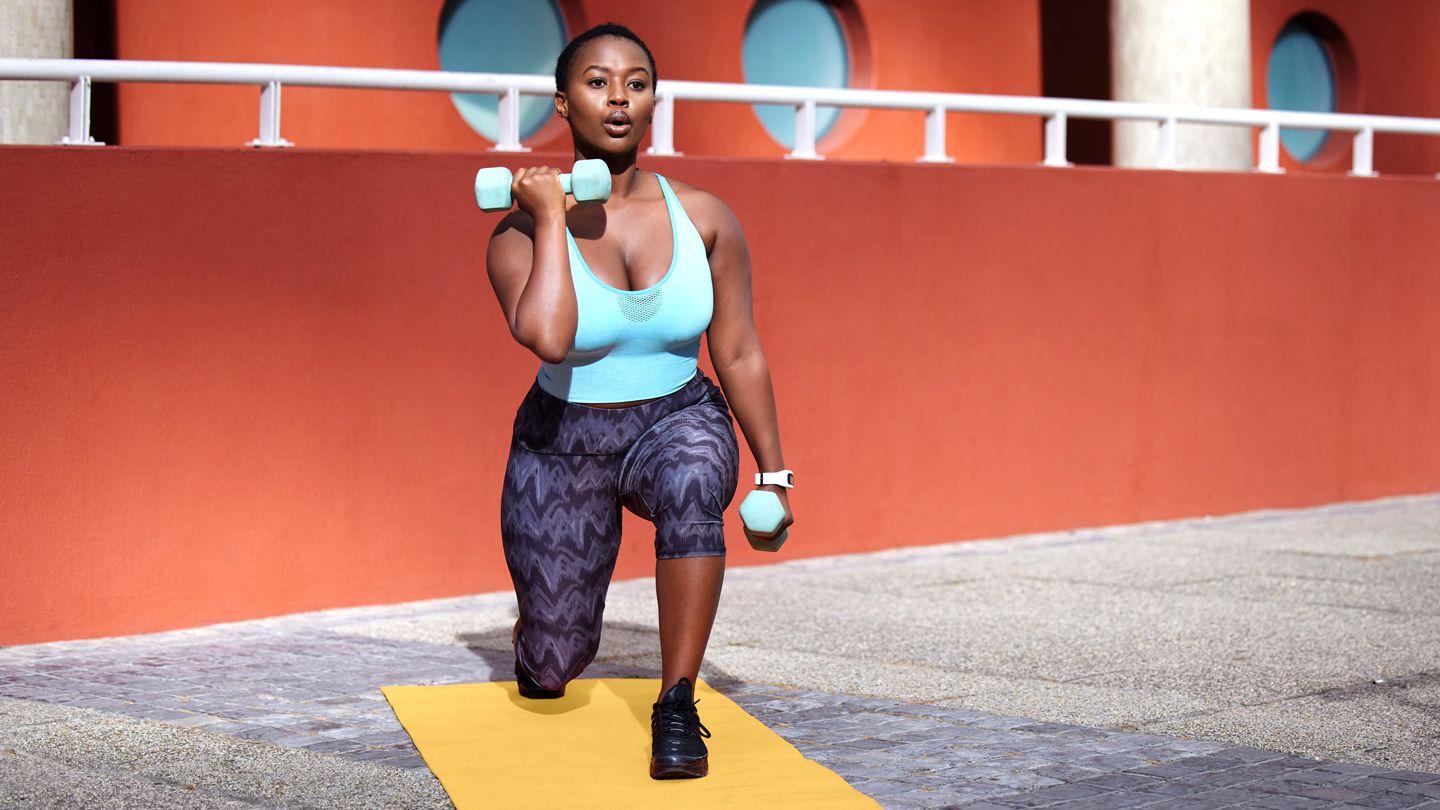
In a world that often prioritizes aesthetics over ability, the true essence of strength lies not just in how we look, but in how we move. Picture this: a child effortlessly climbing a tree, a grandmother carrying her grocery bags with ease, and an athlete outperforming her rivals on the field. These moments speak volumes about the power of functional strength training—a transformative approach that prioritizes real-life movements over isolated gym exercises. This article delves into the concept of functional strength training, exploring its myriad benefits and uncovering how harnessing this training method can unlock the potential that resides within each of us. Join us as we journey through the philosophy, practical applications, and inspiring success stories that highlight the profound impact functional strength can have on our daily lives, athletic performance, and overall well-being.
Table of Contents
- Exploring the Foundations of Functional Strength Training
- Key Benefits for Everyday Life and Athletic Performance
- Essential Exercises to Integrate into Your Routine
- Guiding Principles for Tailoring Functional Workouts to Individual Goals
- The Way Forward
Exploring the Foundations of Functional Strength Training
Functional strength training transcends traditional weightlifting by emphasizing movements that mimic real-life activities. This training approach aims to improve strength, balance, coordination, and agility, enhancing overall physical performance. By focusing on multi-joint exercises that engage multiple muscle groups simultaneously, practitioners develop a sturdier foundation that bolsters everyday function. Common benefits include:
- Improved mobility: Increased range of motion and flexibility.
- Enhanced core stability: A strong core supports better posture and reduces injury risk.
- Increased strength: Functional movements build strength relevant to daily tasks.
Incorporating functional strength training into workouts requires understanding the essential movements of life. Key elements include squats, lunges, pushes, and pulls, all of which parallel activities we perform daily, from lifting groceries to climbing stairs. Through targeted training, individuals can cultivate muscle memory that translates directly into functional prowess. Below is a simple comparison of functional exercises to their traditional counterparts:
| Functional Exercise | Traditional Weightlifting Exercise |
|---|---|
| Squats | Leg Press |
| Deadlifts | Barbell Rows |
| Bench Press | Chest Fly |
| Planks | Crunches |
Key Benefits for Everyday Life and Athletic Performance
Functional strength training integrates movements that mimic daily activities and sports, enhancing both practical skills and athletic performance. By engaging multiple muscle groups simultaneously, this form of training helps to develop a balanced physique while improving stability and coordination. Whether you’re lifting groceries, playing a sport, or simply going for a walk, harnessing functional strength translates into greater efficiency and reduced risk of injury. Some notable benefits include:
- Improved Mobility: Increases range of motion and flexibility.
- Enhanced Stability: Promotes better balance and core strength.
- Injury Prevention: Strengthens muscles and joints to safeguard against common injuries.
For athletes, functional strength training is vital not just for performing at peak levels but also for longevity in their sport. It offers tailored movements that replicate the demands of specific activities, leading to enhanced performance metrics. Athletes who incorporate this type of training often experience:
- Increased Power: Boosts explosiveness and overall strength.
- Better Endurance: Enhances stamina for prolonged workouts or competitions.
- Skill Transfer: Directly improves the performance of sport-specific capabilities.
| Benefit | Everyday Impact | Athletic Impact |
|---|---|---|
| Mobility | Ease in daily tasks | Smoother athletic maneuvers |
| Strength | Improved lifting capacity | Higher performance outputs |
| Balance | Reduced fall risk | Enhanced stability during sports |
Essential Exercises to Integrate into Your Routine
Integrating essential exercises into your routine can transform your strength, stability, and overall functionality. These movements are designed to mimic everyday activities, ensuring that you not only build muscle but also enhance your performance in daily tasks. Incorporating the following exercises can create a well-rounded program that targets multiple muscle groups and improves your body’s coordination:
- Squats: A fundamental exercise that strengthens the lower body while improving balance and core stability.
- Deadlifts: Targets the posterior chain, essential for proper posture and lifting mechanics.
- Push-ups: A bodyweight staple that builds upper body strength and engages the core.
- Lunges: Engages the legs and glutes while promoting flexibility and stability.
- Planks: An isometric exercise that strengthens the core, enhancing overall stability.
To further diversify your routine, consider incorporating dynamic movements that increase functional strength. You might explore exercises like kettlebell swings, box jumps, and farmer’s walks, which improve not only strength but also agility and endurance. Remember to focus on proper form to prevent injury and maximize effectiveness. Below is a simple table to help you structure your workouts:
| Exercise | Sets | Repetitions |
|---|---|---|
| Squats | 3 | 10-15 |
| Push-ups | 3 | 8-12 |
| Deadlifts | 3 | 6-10 |
| Lunges | 3 | 10-12 each leg |
| Planks | 3 | 30-60 sec |
Guiding Principles for Tailoring Functional Workouts to Individual Goals
When designing a functional workout program, it’s essential to prioritize the individual’s specific needs and objectives. Start by evaluating the personal goals, which may include improving athletic performance, enhancing daily living activities, or fostering overall health. Understanding these objectives will assist in the selection of appropriate exercises that resonate with the individual’s aspirations. For example, if the goal is to increase endurance for sports, focus on functional movements like kettlebell swings or burpees. Alternatively, if the aim is to improve mobility and strength for everyday tasks, consider incorporating exercises such as squats, lunges, and deadlifts, ensuring each movement mimics real-life activities.
Next, assess the individual’s fitness level and available resources to tailor the workouts effectively. Key considerations include:
- Current strength and mobility
- Access to gym equipment versus bodyweight options
- Time commitment and scheduling flexibility
- Potential injuries or limitations
By respecting these factors, you can create a balanced and adaptable workout plan. A well-structured program might look like the following:
| Day | Focus Area | Example Exercises |
|---|---|---|
| Monday | Strength | Squats, Deadlifts, Push-Ups |
| Wednesday | Endurance | Burpees, Mountain Climbers |
| Friday | Mobility | Yoga, Dynamic Stretching |
This structured approach not only maximizes results but also keeps the workouts engaging and tailored to individual journeys, ultimately unlocking the true potential within each participant.
The Way Forward
In a world where fitness trends come and go, functional strength training stands tall, much like the individuals it empowers. As we’ve explored in this article, unlocking your potential through this innovative approach not only enhances physical performance but also nurtures mental resilience and overall well-being. The journey may be unique for each individual, but the core principles remain universal—strength, stability, and functionality.
As you step into your own functional strength training regimen, remember that every movement is an opportunity to grow, adapt, and thrive. Embrace the process, celebrate your progress, and allow yourself to experience the transformative power of this training method. After all, it’s not just about lifting weights or executing perfect forms; it’s about building a body that works seamlessly with your life.
So, whether you’re an athlete aiming to elevate your game or someone seeking to improve daily function, there has never been a better time to unlock your potential. Step forward with confidence, knowing that the strength you cultivate today will serve you in every aspect of your tomorrow. Let the journey begin!