


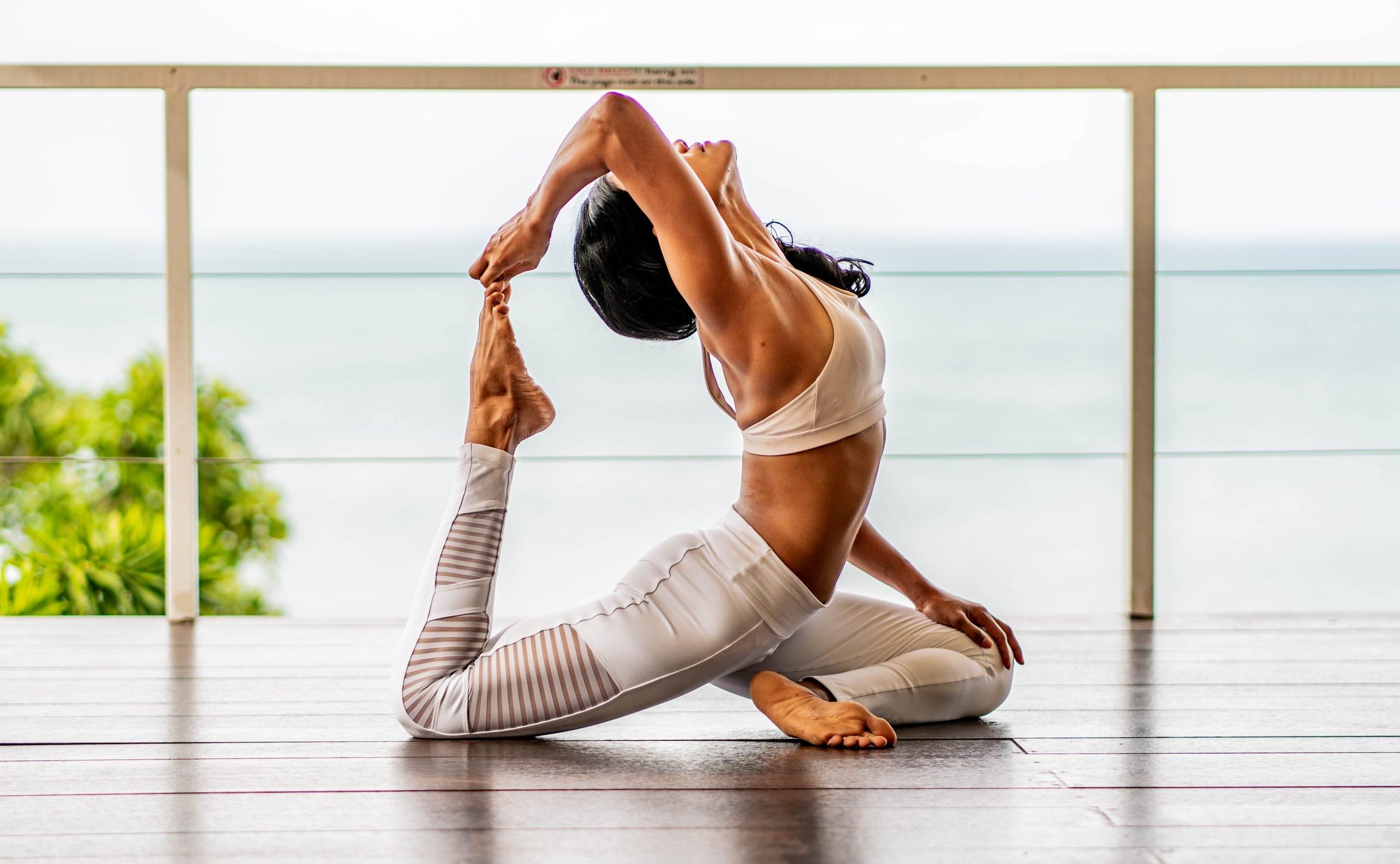
In the fast-paced rhythm of modern life, where daily demands often drown out our inner voice, the quest for balance has become more crucial than ever. As we navigate through responsibilities, deadlines, and digital distractions, our physical and mental well-being frequently takes a backseat. Yet, amidst this chaos, a timeless practice emerges as a beacon of hope: yoga. More than just a series of poses or stretches, yoga weaves together the threads of body and mind, creating a tapestry of wellness that nurtures the spirit and promotes harmony. This article explores the transformative power of yoga, delving into its profound effects on physical health, mental clarity, and emotional resilience. Join us on this journey to uncover how the ancient art of yoga can cultivate a sanctuary within, guiding us towards a more balanced and fulfilling life.
Table of Contents
- Embracing Mindfulness: The Foundation of a Balanced Practice
- Exploring Yoga Poses for Physical Strength and Mental Clarity
- Integrating Breathwork: Techniques to Enhance Your Wellness Journey
- Creating a Personalized Yoga Routine: Tips for Holistic Health
- The Way Forward
Embracing Mindfulness: The Foundation of a Balanced Practice
Incorporating mindfulness into your yoga practice is more than just a trend—it’s a transformative approach that connects the body and mind, fostering a deeper understanding of oneself. Mindfulness encourages practitioners to focus on the present moment, allowing sensations, thoughts, and emotions to flow without judgment. By anchoring your attention to your breath or the movements of your body, you can cultivate a state of awareness that enhances your overall practice. This heightened awareness can lead to significant benefits, including:
- Reduced stress: Mindfulness brings clarity, reducing feelings of anxiety and overwhelm.
- Improved concentration: A focused mind enhances your ability to perform poses accurately and safely.
- Emotional regulation: Understanding your emotions fosters resilience and overall mental wellness.
To cultivate mindfulness in your practice, consider setting aside time for meditation before or after your yoga session. Emphasizing the connection between breath and movement helps build a fluid connection that encourages deeper exploration of your limits and capabilities. A systematic approach can aid in tracking your progress, and using a simple chart can make the process enjoyable and enlightening. Below is a sample template for daily mindfulness reflection:
| Date | Mindful Activity | Feelings |
|---|---|---|
| __________ | __________ | __________ |
| __________ | __________ | __________ |
| __________ | __________ | __________ |
Exploring Yoga Poses for Physical Strength and Mental Clarity
Yoga is a profound journey that intertwines the physical and mental aspects of our being, fostering strength and clarity. As we delve into various poses, we not only enhance our muscle endurance but also cultivate focus and tranquility. To harness both attributes, consider incorporating the following poses into your practice:
- Warrior II (Virabhadrasana II): This pose embodies strength, stability, and determination, engaging major muscle groups while encouraging a strong stance in the mind.
- Chair Pose (Utkatasana): A dynamic asana that builds endurance in the legs while promoting mental fortitude, it requires concentration and resolve.
- Boat Pose (Navasana): Balancing on the sit bones, this pose challenges core strength and mental focus, perfect for enhancing inner resilience.
As you flow through these poses, embrace the harmony between body and mind. Observing how each stretch releases tension while simultaneously sharpening focus can be transformative. To further guide your journey, here’s a simple table showcasing the benefits of each pose:
| Pose | Physical Benefits | Mental Benefits |
|---|---|---|
| Warrior II | Strengthens legs and core | Enhances confidence and focus |
| Chair Pose | Builds lower body strength | Improves determination and courage |
| Boat Pose | Targets abdominal muscles | Boosts concentration and mental stability |
Integrating Breathwork: Techniques to Enhance Your Wellness Journey
Breathwork serves as a bridge between the mind and body, enhancing the benefits of yoga in a transformative way. By incorporating specific breathing techniques, practitioners can elevate their state of mindfulness and deepen their practice. Techniques such as diaphragmatic breathing, box breathing, and alternate nostril breathing are particularly effective. These methods help to calm the nervous system, reduce stress, and promote a sense of emotional balance. Additionally, focusing on breath can help to cultivate greater awareness during yoga poses, leading to improved posture and alignment.
For those integrating breathwork into their wellness journey, consider a structured approach to practice. Regular sessions can enhance the experience of yoga and contribute to overall well-being. Here’s a simple framework to help you get started:
| Technique | Benefits |
|---|---|
| Diaphragmatic Breathing | Reduces anxiety and improves oxygen flow. |
| Box Breathing | Increases focus and calms the mind. |
| Alternate Nostril Breathing | Balances energy and enhances mental clarity. |
Incorporating these breathwork techniques into your yoga routine can create a synergistic effect, amplifying the holistic benefits of both practices. Begin by dedicating a few minutes at the start or end of your yoga session to focus on breath, allowing yourself to fully connect with both your inner and outer worlds.
Creating a Personalized Yoga Routine: Tips for Holistic Health
Developing a yoga routine that resonates with your unique needs can significantly enhance your overall well-being. Start by assessing your specific goals: whether it’s increasing flexibility, building strength, or reducing stress. Consider incorporating a variety of yoga styles to address different aspects of your physical and mental health. For example, Hatha yoga can be excellent for beginners, while Vinyasa may offer a more dynamic approach to flow and movement. Make sure to take note of how various postures make you feel after practice; this self-awareness will guide you in refining your routine. Here are some tips to personalize your practice:
- Set Intentions: Define what you want to achieve.
- Listen to Your Body: Pay attention to your limits.
- Mix It Up: Use different styles and poses.
- Schedule Wisely: Find times that best suit your energy levels.
- Include Meditation: Prioritize mental well-being alongside physical practice.
To further enhance your yoga experience, consider integrating complementary practices such as mindfulness or pranayama (breath control). These techniques promote emotional balance and can amplify the benefits of physical postures. Below is a simple weekly layout that might help you to visualize your personalized routine:
| Day | Focus Area | Duration |
|---|---|---|
| Monday | Strength & Balance | 30 minutes |
| Wednesday | Flexibility | 45 minutes |
| Friday | Mindfulness & Meditation | 20 minutes |
| Weekend | Gentle Flow | 60 minutes |
The Way Forward
As we navigate the complexities of modern life, finding harmony between body and mind becomes not just a desire but a necessity. Yoga, with its ancient roots and multifaceted approach, offers us a path to foster this balance. Through the integration of breath, movement, and mindfulness, we can cultivate resilience and embrace wellness in all facets of our lives. As you step off your mat and into the world, remember that true balance is an ongoing journey—a dance between the physical and mental realms, where each posture and every moment of stillness contributes to a deeper understanding of self. Embrace the power of yoga as a constant ally in this quest for holistic well-being, and let it guide you toward a more harmonious existence. Your journey is uniquely yours; honor it, and allow the transformative power of yoga to inspire you along the way. Namaste.