


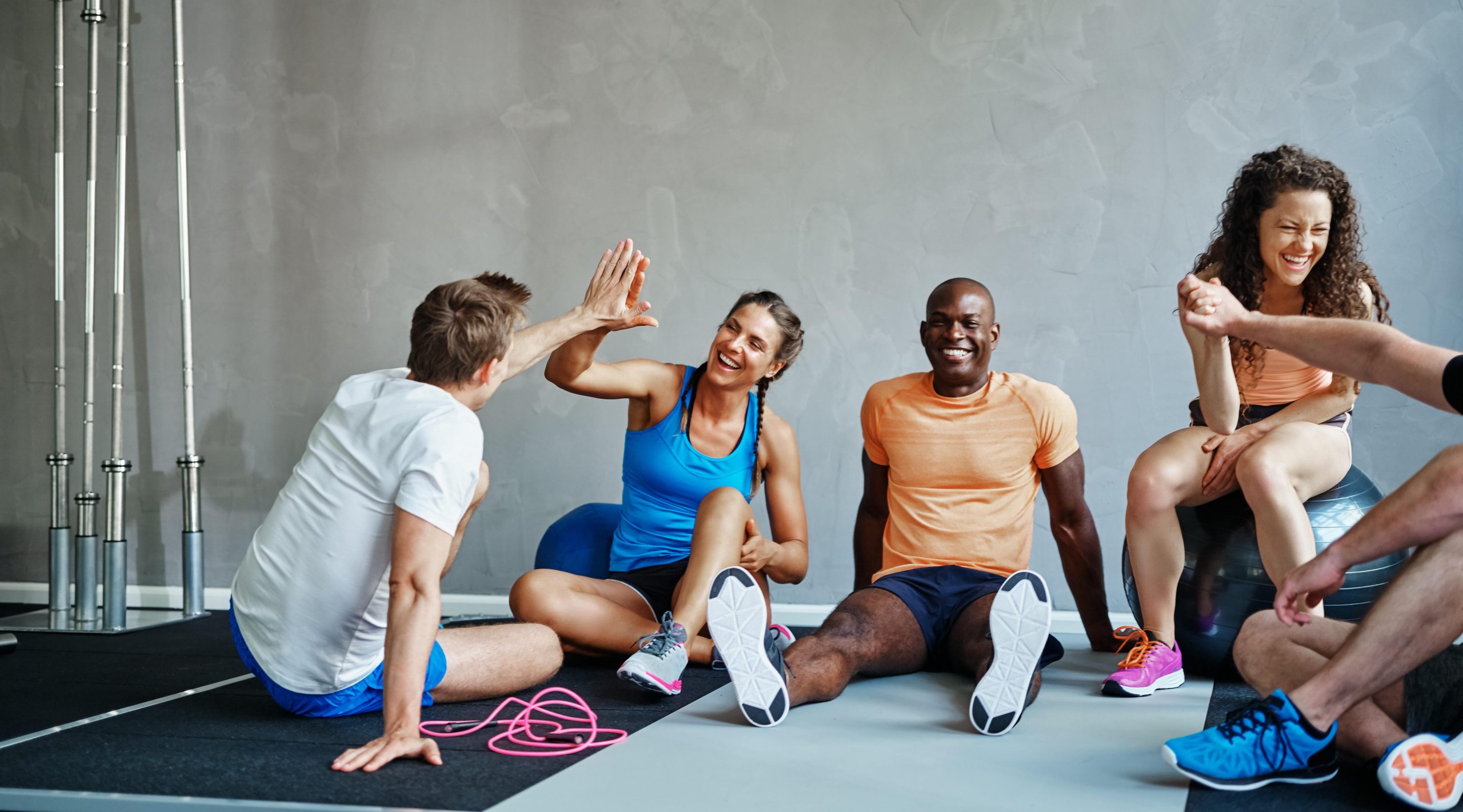
In a world where individual pursuits often take center stage, the power of community can sometimes be overlooked, especially in the realm of fitness. “” invites you to explore the transformative effects of exercising alongside others. Whether you’re a seasoned athlete looking to enhance your performance or a newcomer seeking motivation, group fitness programs offer a unique blend of support, accountability, and camaraderie that can elevate your fitness journey. Join us as we delve into the myriad benefits of these programs, revealing how they can help you break through personal barriers, foster meaningful connections, and ultimately, unlock the best version of yourself.
Table of Contents
- Exploring the Social Dynamics of Group Fitness
- Harnessing Accountability and Motivation in a Collective Setting
- Diverse Workouts: Tailoring Group Classes to Different Fitness Levels
- Creating a Sense of Community for Lasting Wellness
- Closing Remarks
Exploring the Social Dynamics of Group Fitness
Participating in group fitness programs fosters a unique sense of community that transcends mere physical activity. The collective experience of sweating, struggling, and achieving goals alongside others creates deep social bonds. People often find motivation not only from their own ambitions but also from the energy and encouragement of their peers. This dynamic can lead to increased accountability, as individuals feel a sense of responsibility not just to themselves but to their workout buddies. The shared laughter and camaraderie can transform what might feel like a daunting task into an enjoyable and uplifting experience.
Furthermore, the diversity within group fitness classes introduces participants to a wide range of fitness levels, backgrounds, and personal stories, enhancing the overall atmosphere. In these environments, everyone is welcome, creating a melting pot of experiences that enrich their fitness journeys. Some key factors affecting social dynamics in group fitness settings include:
- Shared Goals: Participants work toward similar health or fitness objectives.
- Support Systems: Peers offer encouragement and celebrate each other’s progress.
- Healthy Competition: Friendly rivalry can enhance motivation and performance.
To illustrate how these elements interplay, consider the table below, which highlights the impact of social interactions in group fitness on personal motivation:
| Social Aspect | Impact on Motivation |
|---|---|
| Peer Feedback | Boosts self-esteem and reinforces commitment. |
| Group Challenges | Encourages participants to push their limits. |
| Community Events | Fosters a sense of belonging and purpose. |
Harnessing Accountability and Motivation in a Collective Setting
In group fitness programs, the power of collective commitment can spur individuals to reach new heights. When surrounded by others who share similar health and fitness goals, the sense of accountability naturally heightens. Each participant becomes a vital part of the group dynamic, fostering an environment where everyone encourages each other to show up, push through their limits, and celebrate individual successes together. The intrinsic pressure of not wanting to let down workout buddies or group instructors creates a supportive atmosphere where motivation thrives. This communal aspect often makes it easier to tackle challenges that might feel daunting when faced alone.
Furthermore, shared experiences in group settings cultivate a sense of belonging and camaraderie. Participants find motivation in their peers’ progress while forming connections that enhance their enjoyment of the journey. To highlight the key benefits of such collective programs, consider the following points:
- Enhanced Support: Each member uplifts the other, creating a motivational ripple effect.
- Greater Accountability: Regular check-ins with others boost commitment levels.
- Boosted Confidence: Celebrating achievements as a group fosters self-esteem.
- Fun Factor: Engaging in workouts together makes exercising more enjoyable.
Diverse Workouts: Tailoring Group Classes to Different Fitness Levels
In today’s fitness landscape, group classes have emerged as a popular choice for individuals seeking motivation and community support. To maximize participation and effectiveness, instructors are now tailoring classes to accommodate a broad spectrum of fitness levels. This approach ensures that beginners feel welcomed and empowered, while more advanced attendees can challenge themselves amid a diverse group. By incorporating elements such as adjustable intensity, modified movements, and varying workout styles, these classes cater to everyone—from the novice taking their first steps into fitness to the experienced athlete pushing their limits.
To facilitate this inclusivity, trainers often employ a variety of strategies, which may include:
- Progressions and regressions: Offering alternatives for exercises ensures that each participant can engage without feeling overwhelmed.
- Small group dynamics: Dividing larger groups into smaller ones allows for more personalized attention and the opportunity to modify workouts as needed.
- Varied formats: Circuit training, HIIT, and yoga can all be adapted to suit different fitness levels, fostering a sense of belonging and achievement.
Below is a simple framework showcasing how classes might be structured to suit various fitness levels:
| Fitness Level | Workout Focus | Adaptations |
|---|---|---|
| Beginner | Building Foundation | Low-impact variations, focus on form |
| Intermediate | Endurance & Strength | Increased weight/resistance, longer intervals |
| Advanced | High-Intensity Performance | Complex movements, maximal effort |
Creating a Sense of Community for Lasting Wellness
One of the most profound benefits of participating in group fitness programs is the fostering of interpersonal connections. When individuals come together for a common goal—be it weight loss, muscle gain, or overall health improvement—they form bonds that naturally cultivate a sense of belonging. This community spirit encourages accountability, as members motivate each other to show up and give their best effort, creating an environment where personal progress is not just celebrated, but also shared. Group classes often build a *supportive network*, helping participants to celebrate small victories while collectively tackling challenges.
Moreover, the social aspect of group fitness enhances overall mental wellness. Sharing goals and experiences can reduce feelings of isolation often associated with individual workouts. In addition to physical gains, participants benefit from emotional support that boosts morale and encourages persistence. Consider the following aspects that contribute to this unique environment:
- Inspiration: Seeing others push their limits can ignite a spark to achieve personal fitness milestones.
- Friendship: Engaging in regular activities strengthens camaraderie, establishing friendships beyond the gym.
- Shared Knowledge: Class participants exchange tips, advice, and techniques, enhancing the overall fitness journey.
Closing Remarks
group fitness programs offer far more than just a way to break a sweat; they are gateways to unlocking your potential and transforming your approach to health and wellness. As you gather with others who share similar goals, you’ll discover the power of community, accountability, and motivation that often eludes solitary workouts. Embracing the camaraderie and diversity within these classes not only enhances your fitness journey but also fosters lasting friendships and a deeper connection to your own physical and mental well-being.
So, whether you’re a seasoned athlete or someone just beginning to explore the world of fitness, consider stepping into the vibrant world of group classes. By doing so, you will not only challenge yourself in new and exciting ways, but you’ll also find a supportive tribe ready to encourage and uplift you at every turn. Now, the choice is yours: Will you take the leap, join a group, and unlock the full potential that lies within? The journey awaits!