


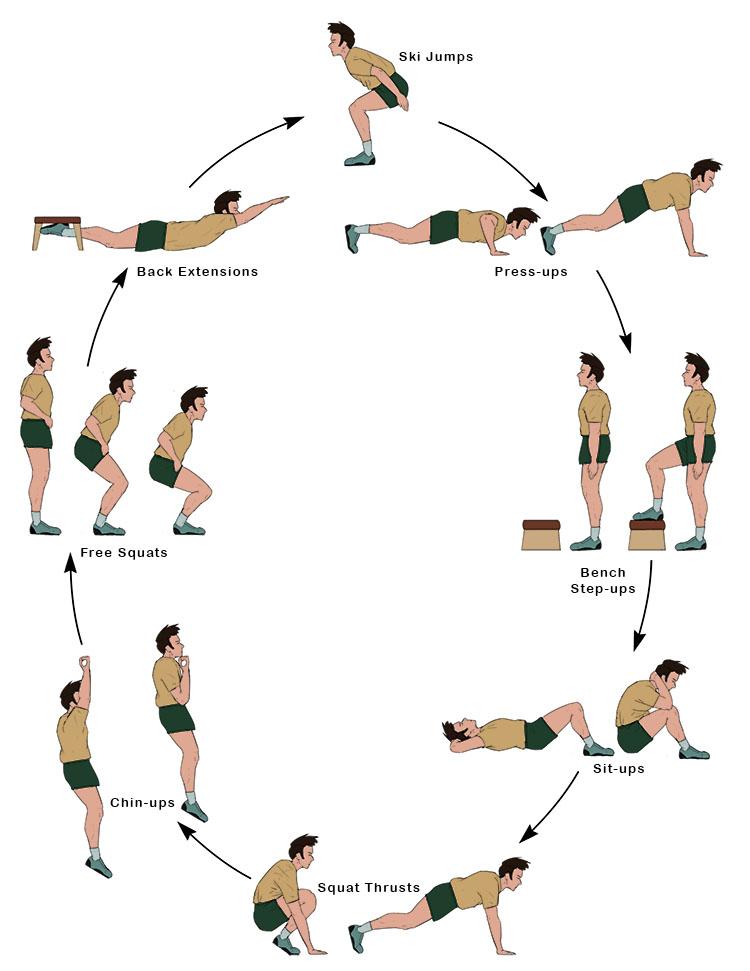
Circuit training has gained popularity as an effective fitness regimen, appealing to individuals seeking to optimize their workout routines in a concise amount of time. Defined as a form of body conditioning or resistance training that combines high-intensity aerobics with strength training, circuit training provides a versatile framework for improving cardiovascular fitness, muscular strength, and endurance. This article aims to offer a comprehensive overview of circuit training workouts, exploring their key components, potential benefits, and practical applications for various fitness levels. By examining the structure and efficacy of these workouts, we seek to inform readers about how to incorporate circuit training into their routines for improved health and physical performance.
Table of Contents
- Understanding Circuit Training and Its Benefits
- Key Components of an Effective Circuit Training Workout
- Designing a Circuit Training Routine for Varied Fitness Goals
- Safety Considerations and Best Practices for Circuit Training
- In Summary
Understanding Circuit Training and Its Benefits
Circuit training is a highly effective workout method that combines strength training and cardiovascular exercises, allowing participants to work different muscle groups in a short time frame. This training style is structured around a series of exercise stations that individuals rotate through, typically with minimal rest between each station. This approach maximizes effort, provides a balanced workout, and keeps the heart rate elevated, promoting better calorie burning. As a result, circuit training can be an efficient way to improve overall fitness, enhance muscular endurance, and increase cardiovascular capacity.
Some of the main benefits of circuit training include:
- Time Efficiency: Quick transitions between exercises help in completing a comprehensive workout in a shorter period.
- Variety: A diverse range of exercises keeps routines interesting and can prevent workout monotony.
- Scalability: Exercises can be modified to accommodate various fitness levels and goals.
- Builds Strength and Endurance: Simultaneously improving both muscular strength and cardiovascular fitness.
Moreover, participants often experience motivation through a circuit training environment, whether in a group class or personal sessions. This sense of community can enhance accountability and foster adherence to fitness routines. Through the incorporation of various movements targeting different muscle groups, one can achieve a well-rounded fitness regime that not only promotes physical strength but also supports mental resilience.
Key Components of an Effective Circuit Training Workout
To optimize a circuit training workout, incorporating a balanced mix of strength, cardio, and flexibility exercises is essential. This combination helps target various muscle groups while improving cardiovascular fitness. A typical circuit may include a series of exercises such as push-ups, squats, and jumping jacks, performed in quick succession. Additionally, it is important to consider the use of equipment like resistance bands, dumbbells, or kettlebells to increase the intensity and load of the training. These elements should be tailored to individual fitness levels to prevent injury and promote engagement.
Another crucial aspect is the work-to-rest ratio. Establishing an effective rhythm, such as performing an exercise for 30 seconds followed by a 15-second rest, can enhance endurance and recovery. Incorporating variety into the circuit is also key; alternating between upper body, lower body, and core exercises can maintain interest and prevent plateaus in progress. tracking progress with a simple table can provide motivation and insight into improvements over time:
| Exercise | Repetitions | Time (seconds) |
|---|---|---|
| Push-Ups | 10-15 | 30 |
| Jump Squats | 10-15 | 30 |
| Plank | N/A | 30 |
Designing a Circuit Training Routine for Varied Fitness Goals
Creating a circuit training routine tailored to individual fitness goals requires a thoughtful approach that takes into account the desired outcomes, exercise preferences, and personal physical limitations. Begin by identifying specific objectives, such as increasing strength, enhancing cardiovascular endurance, or losing weight. Once you have clarified these goals, the selection of exercises should align with them. For instance, strength training might include resistance-based movements like squats, push-ups, and deadlifts, whereas a focus on endurance could emphasize activities like jumping jacks, burpees, and high knees. It’s essential to incorporate a variety of exercises that engage different muscle groups to maintain interest and prevent plateaus.
The structure of the routine is equally important. A balanced circuit typically includes a warm-up, followed by a series of exercises performed in succession with minimal rest and concluding with a cooldown. The duration of each exercise segment can vary depending on the fitness level of the participant. Here’s a sample template for designing a basic circuit training routine:
| Exercise | Duration (seconds) | Rest (seconds) |
|---|---|---|
| Jumping Jacks | 30 | 15 |
| Push-Ups | 30 | 15 |
| Squats | 30 | 15 |
| Mountain Climbers | 30 | 15 |
| Plank | 30 | 15 |
Adjust the frequency and intensity of the workouts based on the individual’s fitness level. Beginners might start with 2-3 circuits, while those with more experience can scale up to 4-6 circuits. Moreover, integrating functional exercises that mimic daily activities can improve overall movement efficiency. Keeping a focus on proper form and gradually increasing the challenge will foster not only adherence to the routine but also sustainable progress towards fitness goals.
Safety Considerations and Best Practices for Circuit Training
When engaging in circuit training, it’s crucial to prioritize safety to maximize effectiveness and prevent injuries. Always ensure proper warm-up exercises to prepare your muscles and joints for intensive activity. Hydration is essential, so make sure to drink water before, during, and after your workout. Here are a few safety tips to keep in mind:
- Use proper form: Focus on technique rather than speed to avoid strain.
- Listen to your body: Take breaks as needed if you feel fatigued or unwell.
- Start easy: Gradually increase the intensity and duration of your workouts.
- Modify exercises: Adapt movements to match your fitness level and prevent overexertion.
Additionally, consider the environment where you perform your circuit training. Ensure that the workout space is free of clutter and has adequate ventilation. For those using gym equipment, always inspect it for any signs of wear or damage before use. Maintaining a clean and safe environment can greatly reduce the risk of accidents. Utilize the following table as a quick reference for important considerations:
| Consideration | Action |
|---|---|
| Workout Space | Clear and well-ventilated area |
| Equipment Safety | Inspect before use |
| Warm-Up | Incorporate dynamic stretching |
| Cool Down | Include stretching to prevent soreness |
In Summary
circuit training workouts offer a versatile and efficient approach to fitness that can cater to a wide range of goals, whether for weight loss, muscle building, or overall health improvement. By combining strength training and cardiovascular exercises, circuit training maximizes workout intensity and minimizes time, making it an appealing option for individuals with busy schedules. Additionally, the flexibility in exercise selection allows for customization, enabling participants to tailor their routines to their specific needs and preferences. As with any fitness program, it is essential to consider individual health conditions and consult with a fitness professional when necessary. By incorporating circuit training into a balanced fitness regimen, individuals can enhance their performance and achieve sustainable results over time.