


In a world where nutritional trends shift with the tides, the Paleo diet emerges as a fascinating throwback to the gastronomic practices of our prehistoric ancestors. Imagine a lifestyle where one’s plate is filled not with processed foods, but with the wholesome bounty of nature—meats, fish, fruits, vegetables, nuts, and seeds, just as our forebears hunted and foraged. This ancient approach to eating, often romanticized as a return to simplicity, prompts us to delve into the relationship between diet and health. What wisdom can we glean from the diets of our prehistoric ancestors? In this article, we will explore the principles of the Paleo diet, the science behind its claims, and its potential implications for modern health. Join us on this journey as we uncover how ancient eating habits can inspire contemporary wellness, and consider if the path to optimal nutrition lies in a diet that reflects our ancestral roots.
Table of Contents
- Understanding the Philosophies Behind the Paleo Diet
- Nutrient-Rich Foods: Building Blocks of the Paleolithic Plate
- Practical Tips for Transitioning to a Paleo Lifestyle
- Debunking Myths: Science and Evidence Supporting Paleo Eating
- To Wrap It Up
Understanding the Philosophies Behind the Paleo Diet
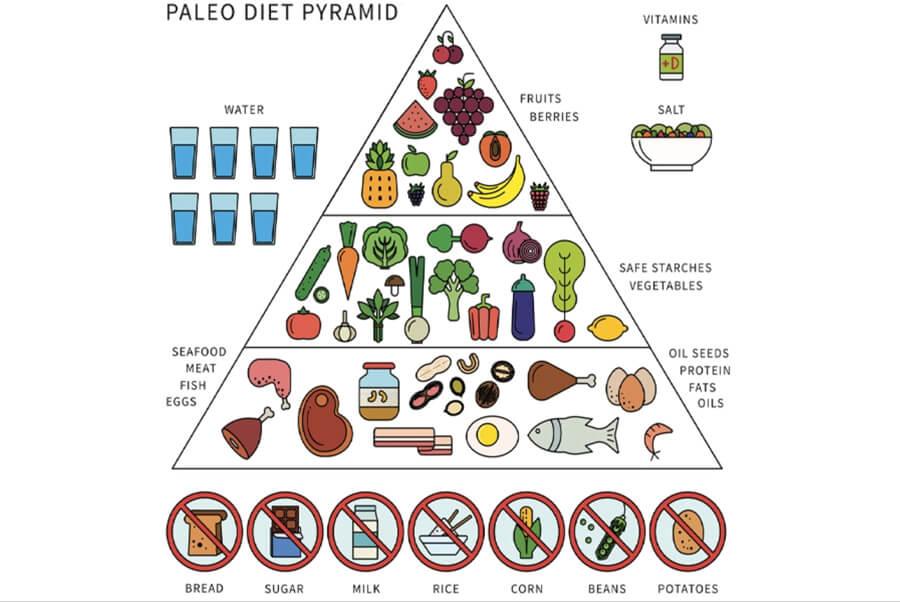
The Paleo diet is rooted in a philosophy that harkens back to our ancestors, promoting a return to the foods that fueled human evolution. At its core lies the belief that modern health issues, such as obesity and chronic diseases, can be alleviated by emulating the dietary patterns of hunter-gatherers. By consuming whole, unprocessed foods and avoiding grains, legumes, and dairy, proponents argue that we can reduce inflammation and enhance our overall well-being. The emphasis on natural foods encourages a greater connection with the earth, fostering sustainable practices that are beneficial for both body and environment.
Central to this way of eating is the focus on nutrient-dense foods, such as lean meats, fish, fruits, vegetables, nuts, and seeds. Advocates of the Paleo lifestyle highlight how these foods can support metabolic health, contribute to weight management, and improve mental clarity. The philosophy also extends to the importance of mindful eating and the rejection of processed sugars and artificial ingredients. By understanding the ancestral roots of our food choices, individuals are reminded of the significance of cultivating a diet that honors both nature and biological heritage.
Nutrient-Rich Foods: Building Blocks of the Paleolithic Plate
The cornerstone of the Paleo diet lies in its emphasis on whole, unprocessed foods that our ancestors thrived on. By embracing a variety of nutrient-dense options, individuals can experience enhanced health and vitality. Some of the key components include:
- Lean Meats: Grass-fed beef, free-range poultry, and wild-caught fish are rich in protein and essential fatty acids.
- Fruits and Vegetables: A colorful array of seasonal produce provides vital vitamins, minerals, and antioxidants.
- Nuts and Seeds: Almonds, walnuts, chia seeds, and flaxseeds contribute healthy fats and fiber.
- Natural Fats: Olive oil, coconut oil, and avocado offer beneficial fats that promote heart health.
To truly understand the benefits, consider how these foods work in concert to support overall wellness. The table below summarizes the nutritional benefits of select foods included in the Paleolithic diet:
| Food Item | Nutritional Benefit |
|---|---|
| Grass-fed Beef | High in Omega-3 fatty acids and vitamins B12 and B6 |
| Wild-caught Salmon | Rich in Omega-3 fatty acids and vitamin D |
| Blueberries | Antioxidant-packed, helps combat oxidative stress |
| Spinach | Loaded with iron, calcium, and vitamins A, C, and K |
Practical Tips for Transitioning to a Paleo Lifestyle
Transitioning to a Paleo lifestyle doesn’t have to feel overwhelming. Begin by gradually incorporating more whole, unprocessed foods into your diet. You might start by replacing refined grains with options like quinoa, sweet potatoes, or cauliflower rice. Focus on stocking your pantry with essentials that align with Paleo principles: fresh fruits, vegetables, lean meats, nuts, and seeds. Consider meal prepping to simplify your routine; batch cooking can save you time and make healthy choices more accessible throughout the week.
As you embrace this new way of eating, it’s vital to educate yourself about what constitutes a Paleo-approved food. Keep a handy list of safe foods and foods to avoid to guide your grocery shopping. Joining a community, whether online or in-person, can also provide motivation and support. Share recipes, tips, and experiences with others on a similar journey. Below is a simple overview to help you visualize the transition:
| Paleo-Friendly Foods | Foods to Avoid |
|---|---|
| Grass-fed meats | Processed sugar |
| Wild-caught fish | Grains (wheat, rice) |
| Fruits and non-starchy vegetables | Dairy |
| Nuts and seeds | Legumes |
Debunking Myths: Science and Evidence Supporting Paleo Eating
The Paleo diet often faces scrutiny and skepticism, primarily due to misconceptions about its nutritional adequacy. Contrary to popular belief, following a Paleo lifestyle does not equate to a lack of essential nutrients. Research indicates that a well-structured Paleo diet is rich in vitamins, minerals, and healthy fats, while effectively minimizing unhealthy processed foods and sugars. Studies have shown that individuals adhering to this diet experience improvements in various health markers, such as reduced cholesterol levels, increased energy, and even weight loss. Notably, one of the biggest myths is that you can’t consume enough carbohydrates; however, fruits, vegetables, and nuts provide ample sources of these vital nutrients, aligning perfectly with the body’s needs.
Moreover, the idea that the Paleo diet is merely a fad with no scientific grounding is rapidly being debunked. Several studies support its benefits in areas like metabolic health and chronic disease prevention. For example, a recent meta-analysis highlighted that participants following a Paleo diet showed greater improvements in glycemic control compared to those on standard dietary guidelines. This is largely attributed to its emphasis on whole foods and avoidance of refined grains and sugars. To further illustrate this, the table below summarizes key findings from reputable studies on the Paleo diet:
| Study | Participants | Key Findings |
|---|---|---|
| Meta-analysis of Paleo Diet Effects | 200+ | Improved glycemic control and lipid profiles. |
| Paleo Diet vs. Mediterranean Diet | 300+ | Similar weight loss, with better satisfaction rates in Paleo group. |
| Paleo Diet & Physical Performance | 100+ | Enhanced muscle recovery and reduced inflammation. |
To Wrap It Up
As we conclude our exploration of the Paleo Diet—an ancient approach to eating that echoes through the corridors of time—it’s clear that this nutritional philosophy offers more than just a meal plan; it invites us to reconnect with our roots, both in terms of food and health. By embracing the principles of whole, unprocessed ingredients that our ancestors might have consumed, we can navigate the complex landscape of modern eating with a renewed sense of purpose and simplicity.
While the Paleo Diet may not be a universal solution, its focus on nourishing our bodies in a way that aligns with our evolutionary history is a perspective worth considering. As you embark on your own culinary journey, remember that health is not a destination but a continuous path. Whether you choose to fully immerse yourself in the Paleo lifestyle or simply adopt some of its tenets, let this adventure encourage mindful eating and foster an appreciation for the remarkable journey our food takes from field to fork.
the choice is yours—but, as we’ve learned, looking back can often illuminate the best path forward. Here’s to a healthier, more vibrant future, one delicious bite at a time.