


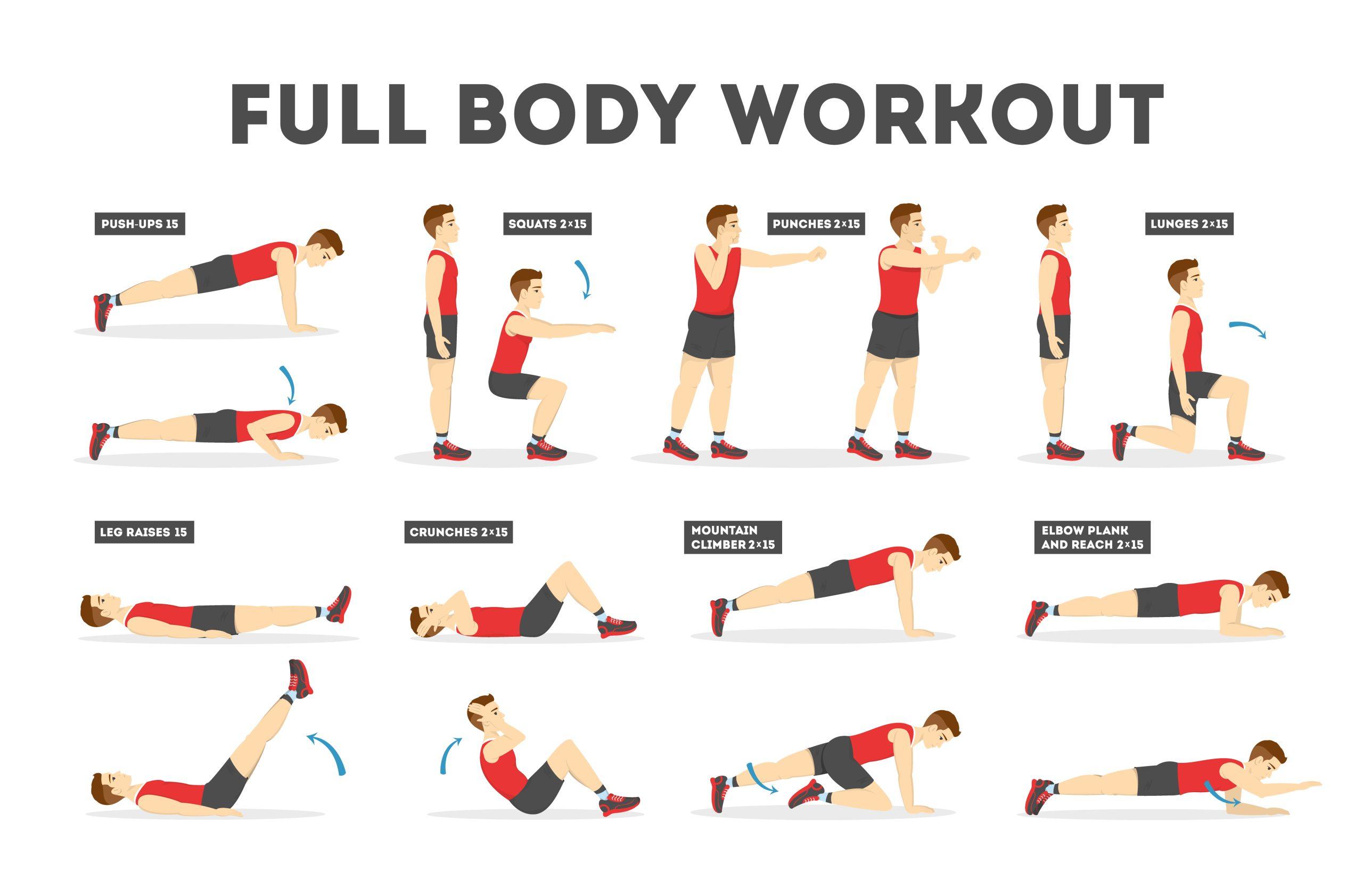
In today’s health-conscious society, the pursuit of optimal fitness has become a priority for many individuals. A comprehensive full-body workout routine not only addresses various muscle groups but also enhances overall physical health, endurance, and functional strength. This article explores a range of full-body workout routines designed for individuals at different fitness levels, from beginners to advanced athletes. By examining key components such as exercise selection, frequency, and training methodologies, we aim to provide readers with practical insights and structured plans that can be tailored to their personal fitness goals. Whether one seeks to improve cardiovascular health, build muscle, or enhance flexibility, a well-rounded approach to full-body training can play a significant role in achieving these objectives.
Table of Contents
- Full-Body Strength Training Exercises for Balanced Muscle Development
- Incorporating Cardiovascular Activities for Enhanced Endurance
- Flexibility and Mobility Work within Full-Body Regimens
- Tracking Progress and Adjusting Routines for Continuous Improvement
- The Conclusion
Full-Body Strength Training Exercises for Balanced Muscle Development
To achieve balanced muscle development, incorporating full-body strength training exercises into your routine is essential. These exercises engage multiple muscle groups, promoting not only strength but also coordination and endurance. Consider integrating the following impactful movements into your workouts:
- Squats: Target the quadriceps, hamstrings, and glutes.
- Deadlifts: Engage your posterior chain, including the back, glutes, and hamstrings.
- Push-ups: Develop the chest, triceps, and shoulders while engaging the core.
- Pull-ups: Focus on the upper back, biceps, and forearms.
- Plank: Strengthen the core, shoulders, and glutes for stability.
When planning your weekly workout, aim for a balanced routine that distributes workload across all major muscle groups. Here’s a simple structure you could follow:
| Day | Exercises |
|---|---|
| Monday | Squats, Push-Ups, Plank |
| Wednesday | Deadlifts, Pull-Ups, Lunges |
| Friday | Bench Press, Bent-Over Rows, Russian Twists |
Ensuring proper form with each exercise is crucial to prevent injury and maximize gains. As your strength progresses, gradually increase the weight or resistance used to continue challenging your muscles, thereby fostering growth and stability throughout your body.
Incorporating Cardiovascular Activities for Enhanced Endurance
Incorporating cardiovascular exercises into your fitness routine is essential for boosting endurance and overall performance. These activities elevate your heart rate, enhancing blood circulation and oxygen delivery throughout the body. Here are some effective cardiovascular activities to consider:
- Running or Jogging: A classic choice for building stamina.
- Cycling: A low-impact option that strengthens leg muscles while improving endurance.
- Swimming: Provides a full-body workout while being easy on the joints.
- HIIT (High-Intensity Interval Training): Alternating between intense bursts of activity and fixed periods of less-intense activity or complete rest.
- Rowing: A great all-around exercise that works the upper and lower body simultaneously.
To maximize the benefits of these cardiovascular activities, it is beneficial to incorporate them in a structured manner within your workout routine. You can create a weekly schedule that balances different forms of cardio, allowing your body to adapt and recover effectively. Consider using the following table as a guideline for your weekly cardiovascular training:
| Day | Activity | Duration |
|---|---|---|
| Monday | Running | 30 minutes |
| Tuesday | Cycling | 45 minutes |
| Wednesday | Rest or Light Yoga | – |
| Thursday | HIIT | 20 minutes |
| Friday | Swimming | 30 minutes |
| Saturday | Rowing | 40 minutes |
| Sunday | Rest | – |
Flexibility and Mobility Work within Full-Body Regimens
Integrating flexibility and mobility exercises into your full-body workout regime is essential for enhancing performance and preventing injuries. These exercises not only improve the range of motion but also contribute to overall body awareness, making each movement more effective and controlled. By incorporating a variety of stretching techniques and mobility drills, individuals can benefit from:
- Improved posture: Strengthening the postural muscles while loosening tight areas promotes better alignment.
- Enhanced athletic performance: Increased flexibility allows for more explosive movements, contributing to improved agility.
- Reduced risk of injuries: Regular mobility work can address muscle imbalances and prevent strains and sprains.
- Better recovery: Stretching post-workout aids in muscle recovery, reducing soreness and stiffness.
Incorporating specific routines focused on flexibility and mobility does not have to be time-consuming. A well-structured approach can seamlessly fit into a full-body workout. Consider the following sample routines:
| Exercise | Duration/Reps |
|---|---|
| Dynamic Leg Swings | 10 swings each leg |
| Cat-Cow Stretch | 10-15 reps |
| Hip Circles | 10 circles in each direction |
| Child’s Pose | Hold for 30 seconds |
| Standing Quadriceps Stretch | 30 seconds each leg |
By dedicating as little as 15 minutes to these flexibility and mobility exercises, individuals can significantly enhance their overall workout quality, leading to a more balanced fitness journey.
Tracking Progress and Adjusting Routines for Continuous Improvement
Monitoring your progress is essential to ensuring that your workout routines are effective and conducive to achieving your fitness goals. Keeping a detailed log of your workouts will allow you to track improvements in strength, endurance, and overall fitness levels. Some effective strategies to consider include:
- Recording Performance: Note weights lifted, repetitions completed, and durations for cardio sessions.
- Setting Specific Goals: Aim for achievable milestones such as increasing weight, reducing time, or enhancing technique.
- Utilizing Apps or Fitness Journals: Use technology to easily track your workouts and monitor progress over time.
As you monitor your progress, be open to making adjustments to your fitness routines. Adaptability is key to continuous improvement. Consider the following methods for refining your workout plans:
- Regular Assessments: Schedule monthly assessments to evaluate strength and endurance, adjusting routines as necessary.
- Incorporating Variation: Change exercises, reps, or styles (e.g., circuit training vs. traditional sets) to prevent plateaus.
- Listening to Your Body: Pay attention to fatigue and recovery times; modify intensity or rest periods to suit your needs.
The Conclusion
incorporating comprehensive full-body workout routines into your fitness regimen can significantly enhance overall health and physical performance. By engaging multiple muscle groups and promoting functional strength, these routines not only contribute to increased muscular endurance and cardiovascular health but also assist in weight management and injury prevention. It is essential to tailor any workout plan to individual capabilities and to progressively challenge oneself to ensure continued progress. As you explore various routines, remember the importance of consistency and adequate recovery, as they are crucial for achieving optimal fitness results. Whether you are a beginner or an experienced athlete, a well-structured full-body workout can be a valuable addition to your journey towards better health and well-being.