


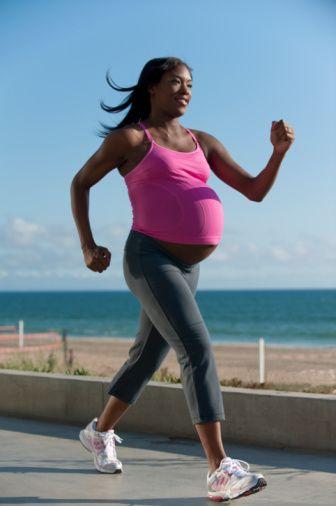
As expectant mothers embark on the transformative journey of pregnancy, nurturing their bodies becomes paramount. The concept of prenatal fitness training emerges not just as a trend, but as a vital element in promoting holistic well-being for both mother and baby. In a world where health is often tied to rigorous workouts and strict diets, prenatal fitness offers a refreshing approach that celebrates movement, mindfulness, and connection. This article delves into the essentials of prenatal fitness training, illuminating how tailored exercise regimens can empower women to embrace their changing bodies, cultivate resilience, and enhance their overall experience of motherhood. Join us as we explore the principles of safe exercise during pregnancy, the benefits it brings, and practical tips for integrating wellness into this extraordinary chapter of life.
Table of Contents
- Navigating the Journey: Understanding the Importance of Prenatal Fitness
- Building a Strong Foundation: Core Exercises for Expecting Mothers
- Balancing Mind and Body: The Role of Mental Wellness in Prenatal Training
- Creating a Safe Space: Tips for Designing Your Personalized Fitness Routine
- In Retrospect
Navigating the Journey: Understanding the Importance of Prenatal Fitness
Engaging in prenatal fitness is not merely an exercise routine; it is a holistic approach that significantly influences both the physical and emotional well-being of expectant mothers. Staying active throughout pregnancy can provide various benefits, including improved mood, enhanced energy levels, and a more comfortable labor experience. Research indicates that regular prenatal exercise can also reduce the risk of complications, such as gestational diabetes and excessive weight gain. In addition, incorporating exercises tailored for pregnancy helps in adapting to the body’s changes, ultimately preparing mothers for the challenges of childbirth and early motherhood.
To achieve a balanced prenatal fitness plan, it’s essential to focus on a mix of activities that promote flexibility, strength, and cardiovascular health. Consider incorporating the following elements into your routine:
- Low-Impact Aerobics: Keeps the heart healthy and maintains stamina.
- Strength Training: Strengthens core muscles, which can alleviate back pain.
- Stretching and Flexibility: Prepares the body for labor and helps reduce tension.
- Mindfulness Practices: Supports mental wellness and relaxation.
While many exercises can be beneficial, it is crucial to seek professional guidance to ensure safety. Below is a simple table highlighting safe and effective exercises typically recommended for prenatal fitness:
| Exercise | Benefits |
|---|---|
| Walking | Improves cardiovascular fitness and boosts mood. |
| Swimming | Low-impact, supports weight, and relieves pressure. |
| Prenatal Yoga | Enhances flexibility, reduces stress, and encourages relaxation. |
| Pelvic Floor Exercises | Strengthens pelvic muscles, aiding in labor and recovery. |
Building a Strong Foundation: Core Exercises for Expecting Mothers
Core exercises specifically designed for expecting mothers play a crucial role in fostering strength and stability during pregnancy. Maintaining strong core muscles provides essential support for the growth of the baby and can significantly reduce the risk of common discomforts such as back pain and pelvic issues. Incorporating gentle exercises like pelvic tilts, cat-cow stretches, and modified planks can help keep your core engaged while preparing your body for the physical changes that come with motherhood. Remember to focus on your breath and listen to your body, prioritizing safety and comfort in each movement.
Additionally, practicing core exercises can enhance your posture, which is vital as your body changes shapes. Building endurance in your abdominal muscles can ease the labor process and aid in a faster recovery postpartum. Here are some benefits of engaging in core workouts during your pregnancy:
- Improved Balance: Helps maintain stability as your center of gravity shifts.
- Better Posture: Reduces strain on your back and neck.
- Easier Labor: Strengthens the muscles used during delivery.
- Faster Recovery: Aids in regaining strength and endurance after childbirth.
To monitor your progress, consider tracking your routine with a simple table outlining your core exercises and their frequency. Use the following template to stay organized:
| Exercise | Frequency | Duration |
|---|---|---|
| Pelvic Tilts | 3 times a week | 10 minutes |
| Cat-Cow Stretches | Daily | 5 minutes |
| Modified Plank | 2 times a week | 15-30 seconds |
Balancing Mind and Body: The Role of Mental Wellness in Prenatal Training
Achieving a harmonious relationship between mental and physical well-being is essential during pregnancy. As expectant mothers embark on their fitness journey, it’s vital to recognize that emotional health plays a significant role in their overall prenatal experience. Incorporating mental wellness practices into prenatal training not only enhances physical strength but also fosters resilience, reduces anxiety, and cultivates a positive mindset. Understanding the importance of this balance can lead to a more enjoyable and productive pregnancy.
To nurture both mind and body, consider integrating the following strategies into your prenatal fitness routine:
- Mindfulness Meditation: Practicing mindfulness can help reduce stress levels, allowing mothers to feel more calm and centered.
- Positive Affirmations: Using uplifting affirmations daily can reinforce self-confidence and create a positive outlook on the journey ahead.
- Breath Control Techniques: Learning to control breath can improve oxygen flow, which not only supports physical activity but also promotes a sense of inner peace.
Additionally, establishing a supportive community can greatly enhance mental wellness during pregnancy. Engaging with fellow expectant mothers provides opportunities for shared experiences and emotional support. A structured schedule that includes regular fitness sessions, combined with gentle group discussions, can help reinforce this community bond while simultaneously prioritizing mental health.
| Activity | Benefits |
|---|---|
| Gentle Yoga | Improves flexibility and reduces anxiety |
| Walking Groups | Promotes social interaction and physical activity |
| Art Therapy | Encourages self-expression and relaxation |
Creating a Safe Space: Tips for Designing Your Personalized Fitness Routine
Creating a personalized fitness routine during pregnancy is crucial for both physical and emotional well-being. Start by assessing your current fitness level and any restrictions your healthcare provider may have advised. Incorporate activities that you genuinely enjoy to sustain motivation through the journey. Here are some considerations to keep in mind while designing your routine:
- Set Realistic Goals: Focus on achievable outcomes rather than comparing yourself to others.
- Choose Low-Impact Activities: Swimming, walking, and prenatal yoga can be gentle yet effective options.
- Listen to Your Body: Adjust your routine as needed; fatigue, aches, or discomfort are signs to modify intensity.
- Prioritize Flexibility and Strength: Incorporate stretches and light strength training to support your changing body.
Moreover, creating an encouraging environment is key. Surround yourself with supportive friends or join a class specifically designed for expectant mothers. Consider keeping a fitness log to track your progress and feelings post-workout, which can help boost your motivation. Here’s a simple template to guide your weekly schedule:
| Day | Activity | Duration |
|---|---|---|
| Monday | Walking | 30 min |
| Wednesday | Swimming | 45 min |
| Friday | Prenatal Yoga | 1 hour |
In Retrospect
As we conclude our exploration of prenatal fitness training, it’s clear that empowering wellness during pregnancy is not just a luxury—it’s a necessity. With careful attention to tailored exercises and mindful practices, expectant mothers can cultivate strength, flexibility, and emotional resilience. The journey through pregnancy is a profound transformation, and fitting it with thoughtful fitness strategies can enhance both physical health and mental well-being.
Remember, every pregnancy is unique, and it’s essential to consult with healthcare professionals to create a personalized fitness plan that respects individual capabilities and needs. By embracing these essential elements of prenatal fitness, mothers can embark on a healthier journey, paving the way for smoother deliveries and a more profound bond with their newborns.
As you step forward, carry these insights with you, and empower yourself to make informed choices that support your wellness journey. Your body is capable, your spirit is resilient, and the path to nurturing life begins within. Here’s to strong beginnings and the joy of motherhood!