


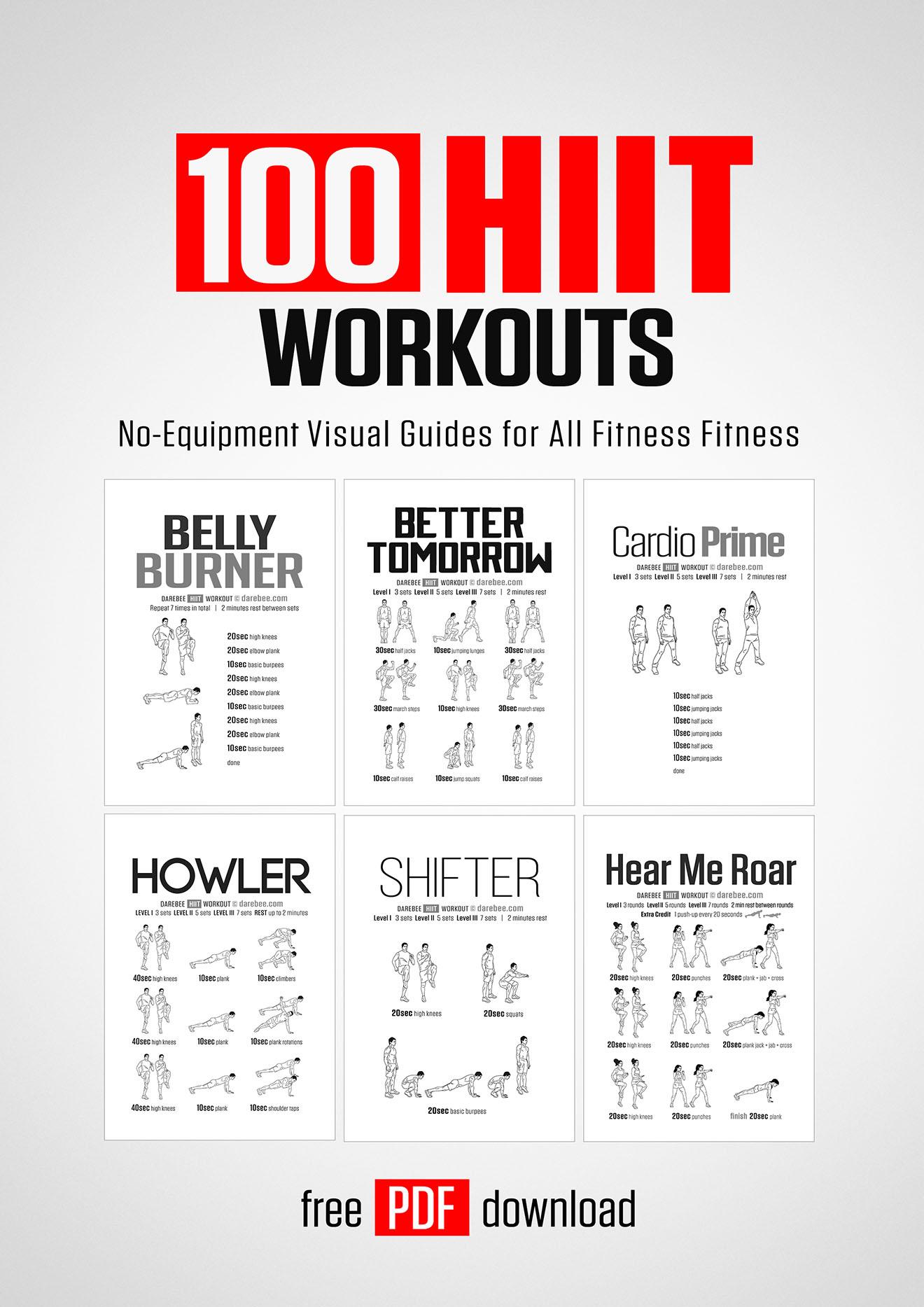
High-Intensity Interval Training (HIIT) has gained significant popularity in recent years as a time-efficient workout strategy that promises notable fitness benefits. Characterized by alternating short bursts of intense activity with periods of rest or lower-intensity exercise, HIIT can appeal to a wide range of individuals, from busy professionals to seasoned athletes. As interest in health and fitness continues to rise, understanding the benefits and techniques associated with HIIT workouts is essential for anyone looking to enhance their physical fitness, improve cardiovascular health, and achieve weight management goals. This article aims to provide a comprehensive overview of the advantages of HIIT, explore its various methodologies, and offer practical guidance for incorporating these workouts into daily routines.
Table of Contents
- Benefits of HIIT Workouts for Cardiovascular Health
- Key Techniques for Effective HIIT Training
- Nutrition Considerations for Optimizing HIIT Performance
- Safety Guidelines to Maximize Results and Minimize Injury Risk
- The Way Forward
Benefits of HIIT Workouts for Cardiovascular Health
High-Intensity Interval Training (HIIT) is not just a fad; it offers substantial benefits for cardiovascular health. By alternating between short bursts of intense exercise and periods of rest or low-intensity activity, HIIT can elevate your heart rate significantly, stimulating cardiovascular systems. This approach can lead to improved heart function, greater stroke volume, and enhanced oxygen uptake, which are crucial for overall cardiovascular efficiency. Studies have indicated that HIIT can lead to lower blood pressure and improved blood lipid profiles, which are vital factors in reducing the risk of heart disease.
Moreover, the time-efficient nature of HIIT makes it an appealing option for many individuals. Due to the intense nature of these workouts, participants often experience increased calorie burn during and after the workout, leading to better weight management. Additionally, because HIIT can be adapted to various fitness levels, individuals can customize their intensity and duration according to their needs. Here are some notable advantages:
- Improved Heart Rate Recovery: Quicker recovery times could indicate better cardiovascular fitness.
- Enhancement of Endurance: Regular HIIT sessions can enhance your stamina for prolonged activities.
- Reduction in Fatigue: Improved blood circulation can lead to decreased feelings of fatigue.
Key Techniques for Effective HIIT Training
High-Intensity Interval Training (HIIT) is not just about pushing your limits; it’s also about employing the right techniques to maximize efficiency and results. One of the most effective methods involves time management—alternating intervals of intense work with short periods of rest. This can be executed through various formats, such as Tabata (20 seconds of work followed by 10 seconds of rest for 4 minutes) or more extended 30/30 intervals. Additionally, it’s essential to include a mixture of exercises targeting different muscle groups. A well-rounded session might combine elements such as:
- Cardio blasts: Sprinting, jumping jacks, or high knees.
- Strength training: Bodyweight squats, push-ups, or kettlebell swings.
- Core workouts: Planks, mountain climbers, or Russian twists.
Another key to effective HIIT is understanding your personal fitness level. Modifying exercises is crucial to avoid injury and ensure sustainability. Beginners may start with longer rest periods and progressively shorten them as stamina improves. Moreover, incorporating tools such as kettlebells, resistance bands, or interval timers can enhance your workout experience. Below is a brief comparison to help gauge exercise effectiveness:
| Exercise Type | Intensity Level | Recommended Duration |
|---|---|---|
| Bodyweight Exercises | Medium | 30 sec work/30 sec rest |
| Cardio Intervals | High | 20 sec work/10 sec rest |
| Strength Moves | Low to Medium | 40 sec work/20 sec rest |
Nutrition Considerations for Optimizing HIIT Performance
To achieve optimal performance during High-Intensity Interval Training (HIIT), it is crucial to focus on specific nutritional strategies that support energy demands and recovery. Prior to a HIIT session, carbohydrate intake is especially important, as it provides the quick energy needed for short bursts of activity. Foods rich in carbohydrates, such as whole grains, fruits, and vegetables, should be incorporated into meals or snacks consumed 1-2 hours before workouts. Additionally, including lean proteins can aid in muscle preservation and recovery post-exercise.
Post-workout recovery is equally vital for maintaining performance levels in subsequent HIIT sessions. The ideal recovery meal should consist of protein and carbohydrates to replenish glycogen stores and promote muscle repair. Recommended post-exercise foods include:
| Food | Benefits |
|---|---|
| Greek Yogurt with Berries | High in protein; antioxidants aid recovery |
| Quinoa Salad | Complex carbs; rich in protein and fiber |
| Protein Smoothie | Quick digestion; versatile nutrient combination |
| Chicken and Sweet Potato | Protein-rich; replenishes glycogen |
Hydration also plays a vital role in enhancing HIIT performance. Adequate water intake before, during, and after workouts helps to regulate body temperature and maintain cardiovascular function. It is beneficial to drink water or an electrolyte-rich beverage, particularly if the workout is extended or occurs in a hot environment. Monitoring hydration levels can help athletes perform at their best, reducing the risk of fatigue and injury.
Safety Guidelines to Maximize Results and Minimize Injury Risk
Adhering to safety guidelines is crucial when engaging in High-Intensity Interval Training (HIIT) to ensure you achieve the desired results while reducing the likelihood of injury. To create a safe workout environment, consider the following recommendations:
- Warm-Up: Always start with a proper warm-up to prepare your muscles and cardiovascular system for intense activity. Incorporate dynamic stretches and light cardio for 5-10 minutes.
- Listen to Your Body: Pay attention to how you feel. If you experience pain or excessive fatigue, it’s essential to stop and rest. Adjusting your intensity can also prevent overexertion.
- Good Technique: Focus on maintaining proper form to minimize injury risk. Consider working with a trainer if you’re unfamiliar with exercises, especially those that demand precision.
- Stay Hydrated: Ensure you’re drinking enough water before, during, and after your workout to prevent dehydration.
- Rest and Recover: Allow for adequate recovery time between workout sessions to help your body heal and adapt to the training stress.
In addition to the above practices, establishing a structured approach to your HIIT sessions can further enhance safety. Utilize the following guidelines to track your progress while ensuring you’re exercising safely:
| Aspect | Recommendations |
|---|---|
| Session Length | 20-30 minutes maximum |
| Interval Duration | 20-45 seconds of work followed by equal or greater rest |
| Frequency | 2-3 times per week with rest days in between |
The Way Forward
High-Intensity Interval Training (HIIT) offers a versatile and effective workout option for individuals seeking to maximize their fitness results in a limited time frame. The benefits of HIIT, including improved cardiovascular health, enhanced metabolic efficiency, and time-saving convenience, make it a valuable addition to any exercise regimen. Furthermore, the variety of techniques available allows for customization to suit different fitness levels and personal preferences. As with any fitness program, it is essential to consider individual health conditions and consult a professional if necessary. By incorporating HIIT into a balanced exercise routine, individuals can unlock significant fitness gains and contribute to a healthier lifestyle.