


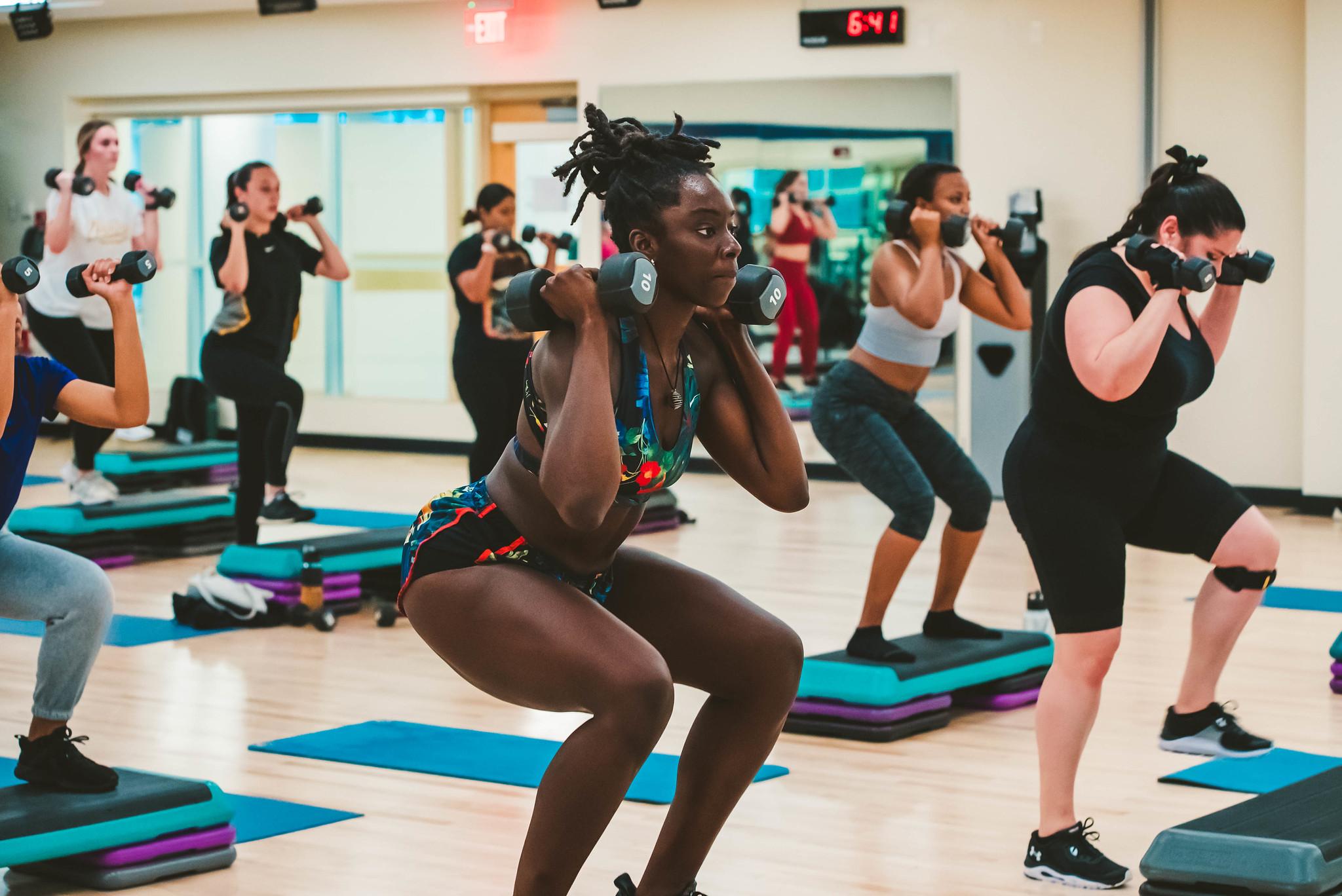
When it comes to group fitness, the energy of working out alongside others can be incredibly motivating, pushing you to achieve new personal bests and build a supportive community. But while the workouts themselves are essential for building strength and endurance, there’s a crucial piece of the puzzle that often gets overlooked: nutrition. Whether you’re hitting the gym for a high-energy class or engaging in specialized workouts, fueling your body with the right nutrients can significantly enhance your performance and recovery. In this article, we’ll explore how smart nutrition not only complements your group fitness routine but can also propel you toward your health and fitness goals. From understanding the importance of macronutrients to tips on meal prep and timing your meals around your classes, we’ll provide you with practical insights to maximize your group fitness success. Let’s dive into the world of nutrition and discover how you can elevate your workout experience from good to great!
Table of Contents
- Understanding the Link Between Nutrition and Fitness Performance
- Essential Nutrients for Optimal Energy Levels in Group Workouts
- Pre and Post-Workout Nutrition: Timing for Maximum Gain
- Hydration Strategies to Enhance Group Fitness Results
- Key Takeaways
Understanding the Link Between Nutrition and Fitness Performance
The connection between what we consume and how we perform is deeper than most realize. Nutrition plays a pivotal role in enhancing athletic performance, influencing everything from energy levels to recovery rates. When engaging in group fitness, maintaining a balanced diet can help optimize physical abilities and ensure that participants are functioning at their peak. For ideal performance, it’s essential to focus on macronutrients:
- Carbohydrates: Serve as the primary energy source, fueling workouts and maintaining stamina.
- Proteins: Aid in muscle repair and growth, crucial for post-workout recovery.
- Fats: Important for long-term energy and overall health, especially for endurance activities.
In addition to macronutrients, timing your meals can significantly affect performance. Eating the right foods at the right times ensures that energy levels remain stable and recovery happens efficiently. Consider the following eating schedule:
| Meal Timing | Recommended Foods |
|---|---|
| Pre-Workout | Whole grains, fruits, and a source of protein |
| Post-Workout | Lean protein, complex carbohydrates, and healthy fats |
| Throughout the Day | Balanced meals with lean proteins, fruits, vegetables, and whole grains |
Essential Nutrients for Optimal Energy Levels in Group Workouts
To power through your group workouts, it’s essential to prioritize nutrients that bolster your energy levels. Focus on a balanced intake of carbohydrates, which are your body’s primary energy source during high-intensity activities. Opt for complex carbohydrates such as whole grains, fruits, and vegetables to provide sustained energy. Alongside carbs, proteins play a crucial role in recovery and muscle repair, making them vital for performance. Incorporating lean proteins like chicken, fish, and plant-based options can help maintain muscle mass and enhance stamina.
Moreover, healthy fats should not be overlooked as they provide a concentrated source of energy. Foods like avocados, nuts, and olive oil not only support energy production but also aid in nutrient absorption. Additionally, vitamins and minerals—such as B vitamins, magnesium, and iron—are essential for energy metabolism. Ensure to include a variety of colorful fruits and vegetables in your diet, as they are rich in these micronutrients. The table below summarizes key nutrients and their contributions to your workout performance:
| Nutrient | Function | Food Sources |
|---|---|---|
| Carbohydrates | Primary energy source | Whole grains, fruits, vegetables |
| Proteins | Muscle repair and recovery | Chicken, fish, legumes |
| Healthy Fats | Sustained energy and nutrient absorption | Nuts, seeds, avocados |
| Vitamins & Minerals | Energy metabolism support | Leafy greens, berries, nuts |
Pre and Post-Workout Nutrition: Timing for Maximum Gain
Proper nutrition plays a crucial role in your fitness journey, especially around workout times. Before you hit the gym, it’s vital to fuel your body with the right nutrients to ensure peak performance. Aim to eat a balanced meal containing complex carbohydrates, protein, and healthy fats about 2-3 hours before your session. Here are some excellent options:
- Oatmeal topped with nuts and berries
- Chicken breast with quinoa and steamed vegetables
- Greek yogurt with honey and whole-grain toast
Post-workout nutrition is just as important; it aids recovery and promotes muscle growth. Ideally, within 30 to 60 minutes after your workout, consume a meal rich in protein and carbohydrates to replenish your glycogen stores and repair muscle tissues. A simple combination could be:
| Food | Benefits |
|---|---|
| Protein Shake | Quickly digests to support muscle recovery |
| Banana with Almond Butter | Restores energy and provides healthy fats |
| Eggs and Whole Wheat Toast | High in protein; supports muscle growth |
Hydration Strategies to Enhance Group Fitness Results
Staying adequately hydrated is fundamental to maximizing your performance in any group fitness setting. Water helps maintain optimal body function, supports recovery, and can even boost your overall workout prowess. To ensure you’re getting the most from your fitness classes, consider the following hydration strategies:
- Pre-Hydration: Begin your day with a glass of water, and aim to drink about 16-20 ounces at least two hours before your workout.
- During Workouts: Sip water every 15-20 minutes, especially during high-intensity classes, to maintain stamina and prevent fatigue.
- Post-Workout Recovery: Replenish lost fluids by drinking at least 16-24 ounces of water following your session, and consider adding electrolytes if the workout was prolonged.
- Infused Hydration: Spice up your hydration routine by adding fruits or herbs to your water, such as lemon, mint, or cucumber, to enhance flavor and encourage more frequent drinking.
Monitoring your hydration status can be as simple as checking the color of your urine; a pale yellow indicates proper hydration, while a darker hue suggests a need for more fluids. It’s also essential to integrate hydrating foods into your diet, as they can significantly contribute to your daily fluid intake. Here’s a quick look at some of the top hydrating foods:
| Food | Water Content (%) |
|---|---|
| Watermelon | 92 |
| Cucumber | 95 |
| Spinach | 91 |
| Strawberries | 91 |
Key Takeaways
the journey to maximizing your group fitness success begins far beyond the walls of your favorite gym or studio—it’s rooted in the choices you make in the kitchen. By prioritizing smart nutrition, you can fuel your workouts, enhance your performance, and recover more effectively, setting the stage for impressive results. Remember, each meal is an opportunity to support your fitness goals. Whether it’s balancing macronutrients, staying hydrated, or prioritizing whole foods, making informed nutritional decisions allows you to make the most of every sweat session alongside your workout buddies. As you embark on this journey, consider collaborating with a nutritionist or dietitian to create a personalized eating plan that aligns with your fitness aspirations. Embrace the power of nutrition, and let it propel you toward achieving not just your fitness goals, but a healthier, more vibrant lifestyle. Happy training!