


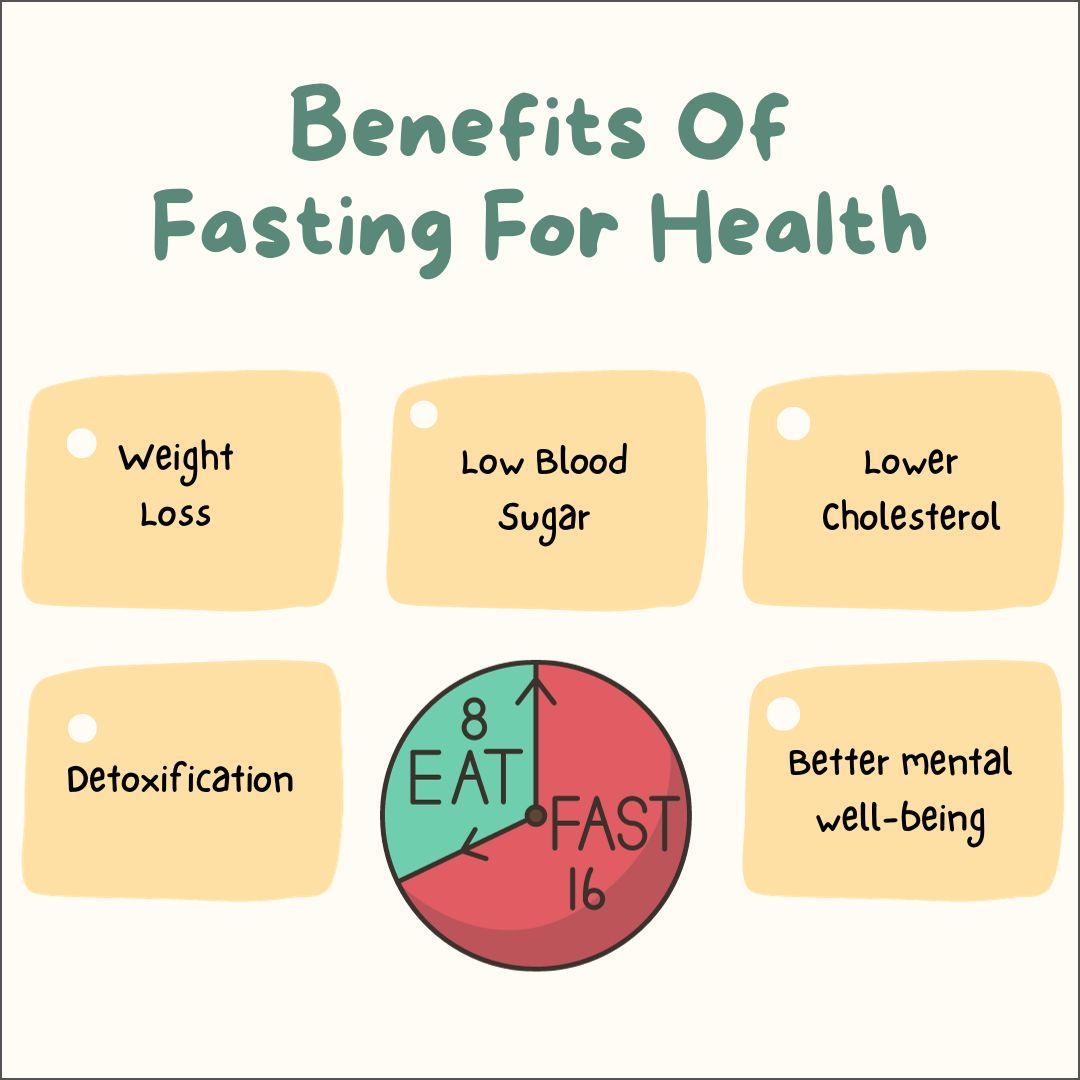
In a world where trends come and go with the flicker of a smartphone screen, one approach to health and wellness has emerged as a resilient contender, captivating minds and reshaping bodies: intermittent fasting. No longer just a whispered secret among fitness enthusiasts, this eating rhythm is gaining momentum, resonating with those seeking more than just quick fixes. As we delve into the transformative power of intermittent fasting, we explore its fascinating principles, the science behind its effectiveness, and the myriad of benefits it offers not only for weight management but for overall well-being. Join us on a journey to unlock the potential of your body and mind, embracing a holistic perspective that transcends conventional dieting. Whether you’re a seasoned practitioner or a curious newcomer, understanding the mechanics of intermittent fasting might just be the key to redefining your relationship with food and fueling your body’s true capabilities.
Table of Contents
- Exploring the Science Behind Intermittent Fasting and Its Impact on Metabolism
- Building Sustainable Habits: How to Incorporate Intermittent Fasting into Your Lifestyle
- Nourishing Your Body: Choosing the Right Foods for Intermittent Fasting Success
- Listening to Your Body: Recognizing Signals and Adjusting Your Fasting Routine
- To Wrap It Up
Exploring the Science Behind Intermittent Fasting and Its Impact on Metabolism
Intermittent fasting (IF) has gained widespread attention for its potential to enhance metabolic health and support body transformations. At its core, IF operates on the principle of cycling between periods of eating and fasting, which can lead to various metabolic benefits. During the fasting window, the body undergoes several biochemical changes, including a decrease in insulin levels and an increase in human growth hormone (HGH), both of which play a crucial role in fat loss and muscle preservation. This shift promotes the body’s ability to switch from using glucose as its primary energy source to tapping into fat stores, a process known as lipolysis. Furthermore, fasting triggers cellular repair mechanisms and activates autophagy, allowing the body to remove damaged cells and regenerate healthier ones.
Research has illustrated that intermittent fasting can positively affect several key hormones involved in metabolism. Some of the notable effects include:
- Insulin Sensitivity: Improved insulin sensitivity enhances the body’s ability to manage blood sugar levels.
- Growth Hormone Release: Elevated levels of HGH facilitate fat burning and muscle gain.
- Cortisol Regulation: Fasting can help control cortisol levels, minimizing stress-related fat storage.
In addition to hormonal changes, the fasting process may influence metabolic rate. Short-term studies have demonstrated that engaging in intermittent fasting can lead to an increase in resting metabolic rate by as much as 3-14%, depending on the duration and type of fasting practiced. Below is a simple comparison of different intermittent fasting methods and their metabolic impacts:
| Fasting Method | Duration | Metabolic Impact |
|---|---|---|
| 16/8 Method | 16 hours fasting, 8 hours eating | Increased fat burning, stable insulin levels |
| 5:2 Diet | Normal eating for 5 days, 500-600 calories for 2 days |
Enhanced weight loss, improved metabolic flexibility |
| Alternate Day Fasting | Fasting every other day | Significant fat loss, improved cardiovascular health |
Building Sustainable Habits: How to Incorporate Intermittent Fasting into Your Lifestyle
Incorporating intermittent fasting into your daily routine can seem daunting at first, but with a few mindful strategies, it can seamlessly integrate into your lifestyle. Start by selecting an eating window that suits your daily schedule; popular options include the 16/8 method, where you fast for 16 hours and eat during an 8-hour window. Prioritizing whole, nutrient-dense foods during your eating periods will create a healthier relationship with food. Consider the following approaches:
- Gradual Transition: Begin with shorter fasting windows to help your body adjust.
- Stay Hydrated: Prioritize water, herbal teas, or black coffee during fasting to curb hunger and keep your metabolism active.
- Mindful Eating: Enjoy meals without distractions, focusing on the flavors and textures of your food.
As you settle into your fasting routine, it’s essential to listen to your body and adjust as needed. Tracking your progress can provide motivation and help you identify what works best for you. Try maintaining a simple chart:
| Week | Eating Window | Mood Level | Energy Level |
|---|---|---|---|
| 1 | 10 AM – 6 PM | Excited | High |
| 2 | 12 PM – 8 PM | Content | Moderate |
| 3 | 11 AM - 7 PM | Focused | High |
By paying attention to these details, you can create a sustainable habit that promotes health and supports your body transformation journey. Remember, the key is to find a rhythm that feels both manageable and enjoyable for you.
Nourishing Your Body: Choosing the Right Foods for Intermittent Fasting Success
Nourishing your body during intermittent fasting breaks is crucial for maximizing your results and maintaining your energy levels. Focus on integrating a variety of whole foods that offer both nutritional density and satisfaction. Choosing the right foods can help keep you full longer and support your overall health. Consider including:
- Leafy Greens: Spinach, kale, and arugula are low in calories yet high in vitamins.
- High-Quality Proteins: Eggs, fish, and legumes provide essential amino acids for muscle repair.
- Healthy Fats: Avocados, nuts, and olive oil can keep you satiated and nourish your body.
- Whole Grains: Quinoa and brown rice deliver fiber and energy for lasting fullness.
Additionally, hydration plays an integral role in supporting your journey. Remember to balance your food choices with plenty of water, herbal teas, or even black coffee. Implementing these foods not only keeps you energized throughout the fasting window but also promotes long-term health benefits. To help you visualize the right balance of nutrients, refer to the table below:
| Food Group | Examples | Nutrient Benefits |
|---|---|---|
| Vegetables | Broccoli, Bell Peppers | Vitamins, Minerals, Fiber |
| Proteins | Chicken, Tofu | Protein, Iron |
| Fruits | Berries, Apples | Antioxidants, Fiber |
| Healthy Snacks | Hummus, Nuts | Healthy Fats, Protein |
Listening to Your Body: Recognizing Signals and Adjusting Your Fasting Routine
Paying attention to your bodily cues is crucial on your journey through intermittent fasting. Your body communicates in various ways, and recognizing these signals can help you optimize your fasting routine. Listen for signs of hunger, fatigue, or even ease. For instance, hunger pangs might inform you that your eating window could use an adjustment, while feelings of lethargy could suggest that you’re not getting enough nutrients during your meals. By tuning into these signals, you can make mindful decisions that enhance your fasting experience.
It’s helpful to maintain a flexible approach as you adjust your routine based on how you feel. Consider these factors when evaluating your fasting regimen:
- Energy Levels: Are you energetic or drained during fasting periods?
- Hunger Patterns: Is your hunger manageable, or does it overwhelm you?
- Mood Changes: Are you feeling irritable or calm?
Incorporating feedback from your body can lead you to better meal choices that suit your fasting lifestyle. For a more personalized approach, consider keeping a simple journal or table to track your experiences. Here’s a quick example:
| Day | Energy Level | Hunger Level | Mood |
|---|---|---|---|
| Monday | High | Moderate | Content |
| Tuesday | Low | High | Irritable |
| Wednesday | Moderate | Low | Happy |
To Wrap It Up
As we conclude our exploration of intermittent fasting and its transformative potential, it’s clear that the journey toward body transformation is as much about mindset as it is about methods. Intermittent fasting offers a flexible framework that aligns with individual lifestyles, presenting an opportunity for not just physical changes, but also a deeper connection with our bodies. Whether you’re looking to shed pounds, boost energy, or improve your overall health, understanding the principles of this approach can serve as a powerful tool on your journey.
Remember, transformation is not a race but a personal voyage; each step you take is an opportunity for growth and self-discovery. As you continue on this path, give yourself grace and stay curious about how your body responds. With the right mindset and commitment, intermittent fasting could be the key to unlocking a healthier, more vibrant you. The power lies within—embrace the journey ahead.