


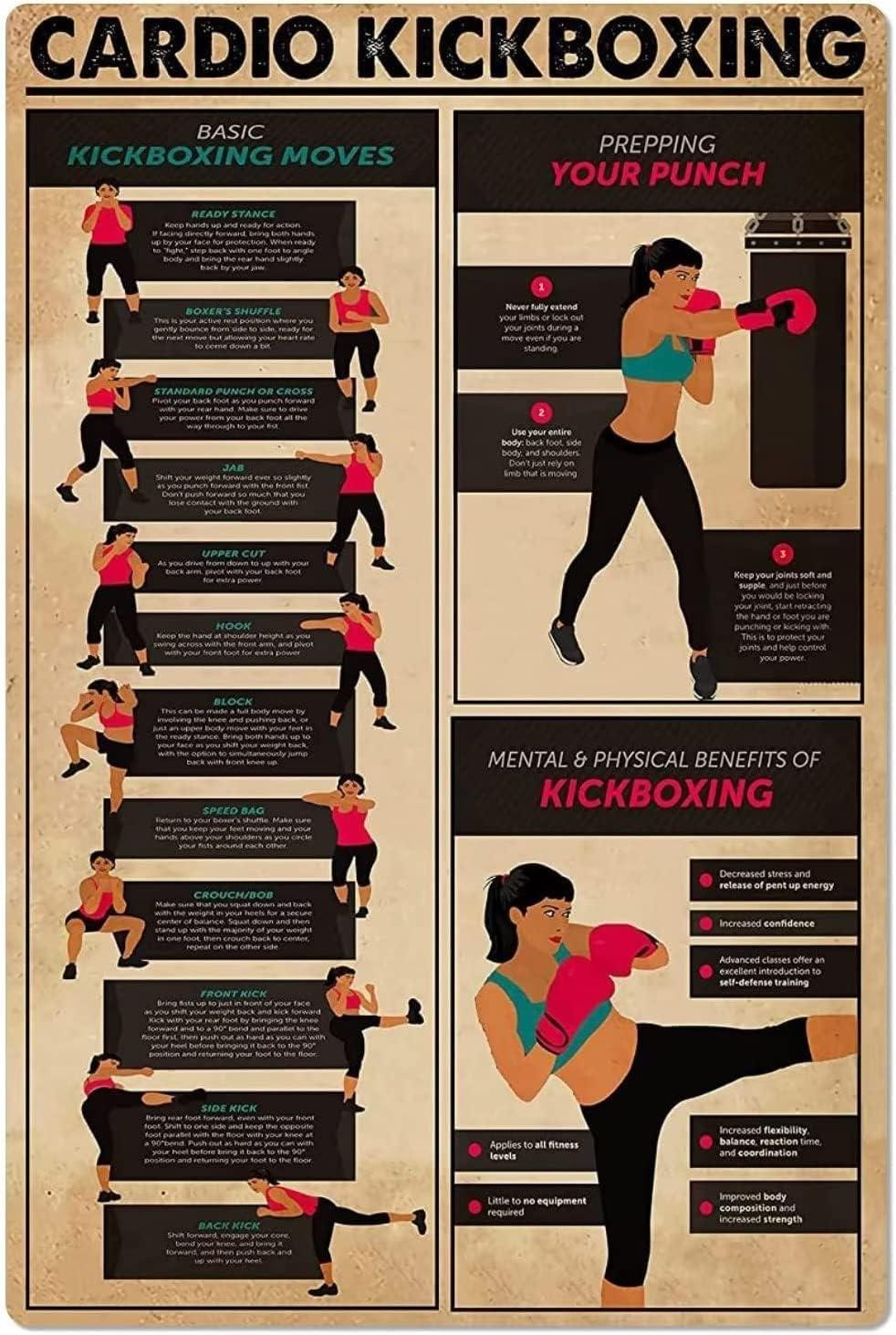
Kickboxing, a high-intensity workout that combines martial arts techniques with cardiovascular exercise, has gained popularity among fitness enthusiasts seeking an effective way to improve their physical health. This article aims to explore the various benefits of kickboxing workouts, including improvements in strength, endurance, flexibility, and mental well-being. Additionally, it will delve into different techniques and training methods that can enhance the kickboxing experience, catering to both novices and seasoned practitioners. Whether for self-defense, fitness, or stress relief, understanding the advantages and methodologies of kickboxing can help individuals make informed decisions about integrating this dynamic workout into their fitness routine.
Table of Contents
- Understanding the Physical Benefits of Kickboxing Workouts
- Examining the Mental and Emotional Advantages of Kickboxing
- Techniques and Styles: Enhancing Skills through Kickboxing Training
- Recommendations for Incorporating Kickboxing into Your Fitness Routine
- In Conclusion
Understanding the Physical Benefits of Kickboxing Workouts
Kickboxing workouts are not only an engaging way to burn calories but also offer a plethora of physical benefits that contribute to overall health and fitness. The high-intensity nature of kickboxing promotes cardiovascular fitness, enhancing heart health by improving circulation and reducing the risk of heart-related diseases. Additionally, as participants repeatedly engage in various strikes and movements, there is a significant increase in muscular strength and endurance, especially in the core, legs, and upper body. This can lead to improved muscle tone and body composition over time.
Moreover, kickboxing helps in improving flexibility and coordination. The dynamic movements require the body to perform various kicks, punches, and defensive maneuvers that stretch and strengthen different muscle groups. This not only reduces the risk of injury but also enhances daily movement patterns. Other key benefits include:
- Weight Management: High caloric burn aids in weight loss or maintenance.
- Improved Agility: Quick footwork enhances speed and reaction times.
- Boosted Confidence: Skill development instills a sense of accomplishment.
| Benefit | Description |
|---|---|
| Cardiovascular Health | Enhances heart function and endurance. |
| Muscular Strength | Increases strength through resistance training. |
| Flexibility | Improves range of motion and reduces stiffness. |
Examining the Mental and Emotional Advantages of Kickboxing
The practice of kickboxing extends beyond physical fitness; it also serves as a powerful catalyst for mental and emotional well-being. Engaging in this dynamic martial art can lead to significant improvements in psychological resilience and emotional stability. Participants often experience a surge in endorphins, commonly known as the body’s natural “feel-good” hormones, which can effectively combat feelings of anxiety and depression. Additionally, kickboxing encourages focus and mindfulness, allowing individuals to redirect their thoughts and energy, ultimately promoting a clearer mental state.
Several key mental and emotional benefits are frequently associated with kickboxing workouts, including:
- Stress Relief: The high-intensity nature of kickboxing serves as an excellent outlet for pent-up stress and frustration.
- Increased Confidence: Mastering techniques and achieving fitness goals can enhance self-esteem and body image.
- Cognitive Function: Learning combinations and strategies demands mental engagement and boosts cognitive abilities.
- Emotional Release: The physical exertion can provide a healthy way to release emotions, leading to greater emotional balance.
Moreover, kickboxing fosters a sense of community and support among participants. As individuals train together, they often form camaraderie, which can alleviate feelings of isolation and loneliness. Group classes encourage accountability and motivation, helping participants stay committed to their fitness journey while providing a social outlet. Ultimately, this blend of physical exertion and community engagement contributes to a holistic approach to mental and emotional health.
Techniques and Styles: Enhancing Skills through Kickboxing Training
Kickboxing training offers a diverse array of techniques and styles that contribute to skill enhancement and overall fitness. Practitioners can explore various striking techniques, including:
- Punches – Incorporating jabs, crosses, hooks, and uppercuts to develop hand speed and coordination.
- Kicks – Learning front, side, roundhouse, and knee strikes to improve flexibility and leg strength.
- Defensive Maneuvers – Mastering slips, blocks, and counters to sharpen reaction times and defensive skills.
Additionally, the training environment often emphasizes different styles that cater to various goals. Beginners may focus on basic techniques within a traditional format, while advanced practitioners might integrate more dynamic approaches such as:
- Muay Thai – Utilizing elbows and knees for varied striking techniques.
- Cardio Kickboxing – Aiming for cardiovascular fitness through high-intensity workouts.
- Fitness-Based Kickboxing – Incorporating kickboxing techniques into circuit training for overall strength improvement.
Recommendations for Incorporating Kickboxing into Your Fitness Routine
To effectively incorporate kickboxing into your fitness routine, consider starting with a structured plan that gradually builds your skills and endurance. Begin by allocating specific days for your kickboxing workouts, ideally 2-3 times a week, to allow your body to adapt. Combine these sessions with strength training and flexibility exercises to create a well-rounded program. Focus on technique and form in the early stages to prevent injuries and enhance performance. Here are some tips to make the most of your kickboxing practice:
- Invest in a good pair of kickboxing gloves for protection.
- Warm up before each session with dynamic stretches.
- Incorporate shadowboxing to improve your technique.
- Use a timer for rounds, typically 2-3 minutes, followed by short rest periods.
- Track your progress to stay motivated and see improvements over time.
In addition to structured classes, consider integrating kickboxing drills at home using online videos or apps. To diversify your workouts and target different muscle groups, you can mix kickboxing with other fitness elements. Below is a simple table to illustrate a sample weekly kickboxing workout plan:
| Day | Workout Type | Duration |
|---|---|---|
| Monday | Technique & Shadowboxing | 30 minutes |
| Wednesday | Heavy Bag Work | 40 minutes |
| Friday | Combination Drills & Sparring | 45 minutes |
In Conclusion
kickboxing workouts offer a multifaceted approach to fitness, delivering benefits that extend beyond physical conditioning. The combination of cardiovascular exercise, strength training, and skills development provides a comprehensive workout that can enhance overall well-being. By incorporating various techniques and routines, participants can tailor their training to meet individual goals, whether it be improved endurance, increased strength, or stress relief. As with any fitness regimen, it is important to approach kickboxing with proper guidance and attention to form to maximize benefits and minimize risk of injury. the exploration of kickboxing workouts reveals a dynamic option for those seeking an effective and engaging way to enhance their fitness journey.