


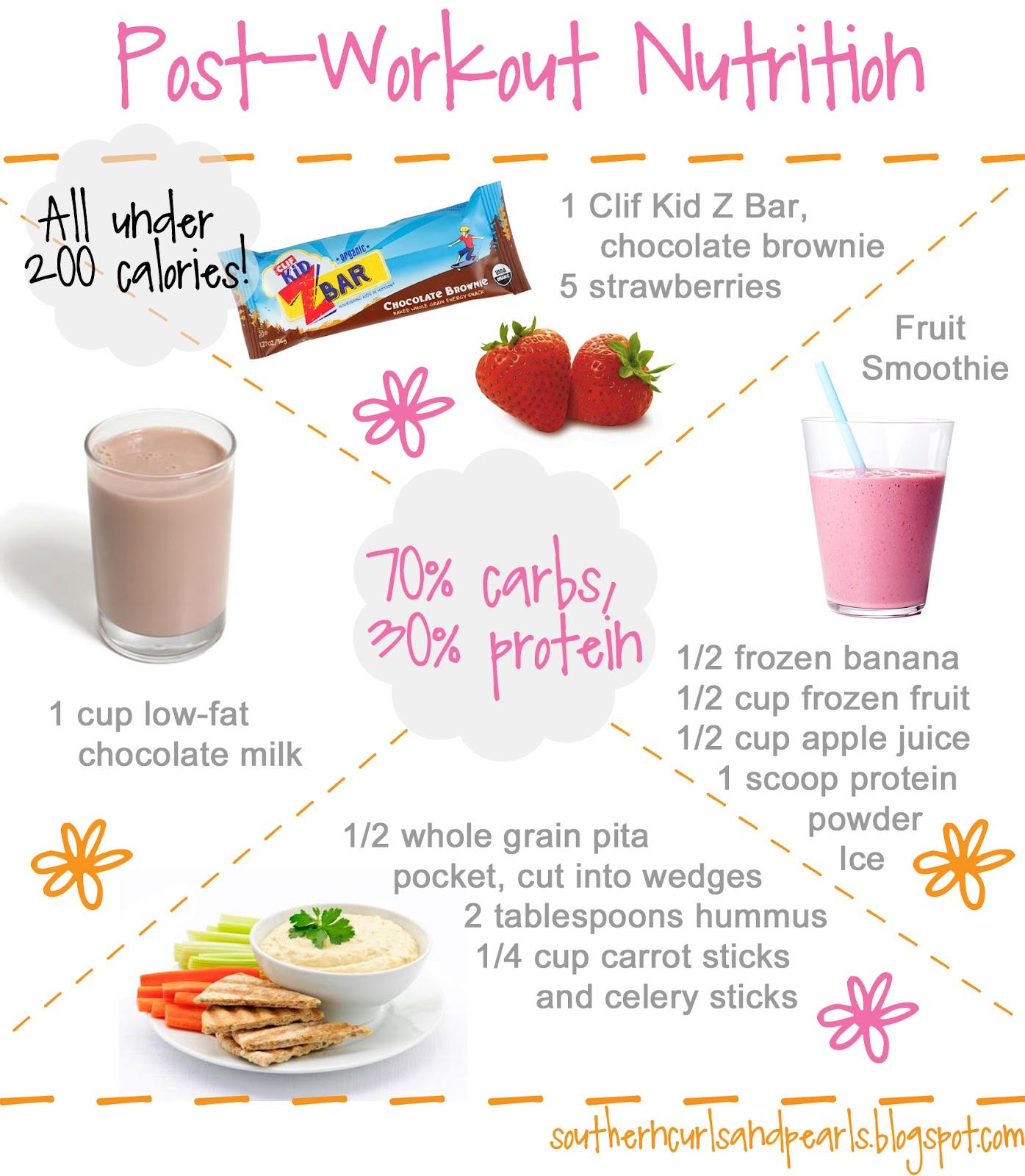
After a rigorous workout, the body enters a crucial recovery phase where the right nutrients play a pivotal role in repairing muscle, replenishing energy, and preparing for the next session. Whether you’re an avid gym-goer, a weekend warrior, or a professional athlete, understanding the essentials of post-workout nutrition can significantly influence your performance and overall health. This guide aims to break down the key components of effective post-exercise nutrition, including what to eat, when to eat, and why it matters. By incorporating science-backed strategies into your recovery routine, you can enhance your results and support your fitness journey more effectively. Let’s dive into the essential nutrients and practical tips that will help you maximize your recovery and keep you on track toward your goals.
Table of Contents
- Understanding the Importance of Post-Workout Nutrition
- Key Nutrients for Effective Muscle Recovery
- Timing Your Nutrition: When to Fuel Up After Exercise
- Top Foods and Supplements to Enhance Recovery
- Future Outlook
Understanding the Importance of Post-Workout Nutrition
Post-workout nutrition plays a crucial role in recovery, as it provides the necessary nutrients to repair damaged muscles and replenish energy stores. After an intense workout, your body is in a depleted state and craving essential macronutrients. Protein is vital for muscle repair and growth due to its role in synthesizing muscle proteins. Similarly, carbohydrates are important for restoring glycogen levels, which can be significantly reduced during exercise. To optimize recovery, it’s essential to consume a balanced meal or snack that combines these two macronutrients within 30 to 60 minutes after your workout. This timing is often referred to as the “anabolic window,” a period when your muscles are most receptive to nutrient uptake.
- Hydration: Water plays a key role in nutrient transport and recovery.
- Antioxidants: Foods rich in antioxidants help combat inflammation and promote healing.
- Healthy Fats: Including sources of omega-3s can reduce muscle soreness and enhance recovery.
To simplify your post-workout meal planning, consider the following table showcasing various food options and their benefits:
| Food Option | Benefits |
|---|---|
| Greek Yogurt with Berries | High in protein and antioxidants. |
| Protein Shake | Quick and easily digestible source of protein. |
| Quinoa Salad with Vegetables | Rich in complex carbs and nutrients. |
| Banana with Almond Butter | Fast-acting carbs and healthy fats. |
Key Nutrients for Effective Muscle Recovery
To ensure optimal recovery after an intense workout, it is crucial to replenish your body with the right nutrients. Protein plays a fundamental role, as it helps repair and build muscle tissues that may have been strained during exercise. Incorporating sources like chicken, fish, eggs, and legumes can aid in this process. Additionally, carbohydrates are essential for restoring glycogen levels, which fuel your muscles. Whole grains, fruits, and starchy vegetables are excellent choices to refuel your energy reserves.
Equally important, don’t overlook the benefits of healthy fats and micro-nutrients. Healthy fats, such as those found in avocado, nuts, and olive oil, can assist in reducing inflammation in the body. Furthermore, vitamins and minerals such as vitamin C, vitamin D, and magnesium play a vital role in muscle recovery and overall health. To help visualize the impact of these nutrients, consider the following table highlighting their benefits:
| Nutrient | Benefits |
|---|---|
| Protein | Repairs and builds muscle tissue |
| Carbohydrates | Restores glycogen levels |
| Healthy Fats | Reduces inflammation |
| Vitamins & Minerals | Support overall recovery and muscle function |
Timing Your Nutrition: When to Fuel Up After Exercise
Timing is crucial for maximizing your recovery and performance after exercise. Consuming the right nutrients, particularly carbohydrates and proteins, in the immediate post-workout window can significantly enhance muscle repair and glycogen replenishment. Research suggests that the optimal time frame to refuel is within 30 to 60 minutes after completing your workout. During this period, your muscles are primed to absorb nutrients, making it the perfect time to restore energy and facilitate recovery.
To make the most of this recovery window, aim to include a combination of the following in your post-workout meal or snack:
- Carbohydrates: to replenish glycogen stores
- Protein: to aid muscle repair and growth
- Hydration: to restore lost fluids
Consider the following table that outlines some effective post-workout food options and their nutritional benefits:
| Food | Carbs (g) | Protein (g) |
|---|---|---|
| Greek Yogurt with Berries | 30 | 10 |
| Protein Shake with Banana | 40 | 20 |
| Quinoa Bowl with Chicken | 45 | 30 |
| Peanut Butter on Whole Grain Toast | 35 | 15 |
By carefully planning and timing your nutrition after your workouts, you can significantly improve your recovery process, boost your performance in subsequent sessions, and help your body become stronger and more resilient. Use this key period wisely!
Top Foods and Supplements to Enhance Recovery
Fueling your body after a workout is crucial for optimal recovery and preparing for your next session. Protein is a key player in this process, as it helps repair and build muscle tissue. Excellent sources of protein include:
- Lean meats such as chicken and turkey
- Fish like salmon and tuna
- Dairy products such as Greek yogurt and cottage cheese
- Plant-based options like lentils, chickpeas, and tofu
In addition to protein, specific supplements can enhance recovery by supporting muscle repair and reducing soreness. Consider incorporating the following into your post-workout routine:
| Supplement | Benefits |
|---|---|
| Branched-Chain Amino Acids (BCAAs) | Reduces muscle soreness and enhances recovery speed |
| Creatine | Increases strength and promotes muscle regeneration |
| Omega-3 Fatty Acids | Reduces inflammation and supports joint health |
| Magnesium | Improves muscle function and helps prevent cramps |
Future Outlook
effectively fueling your body after a workout is vital for optimal recovery and long-term performance. By prioritizing the right combination of macronutrients, including carbohydrates and proteins, alongside adequate hydration, you can maximize your body’s repair processes and replenish energy stores. Remember that individual needs may vary based on the type, intensity, and duration of your workouts, so it’s essential to listen to your body and adjust your post-workout nutrition accordingly.
Whether you’re an athlete or someone who simply enjoys staying active, incorporating these essential post-workout nutrition strategies can make a substantial difference in how your body recovers and performs in your next session. So, gear up, refuel wisely, and watch your body thrive on the hard work you put in at the gym. Here’s to faster recovery and achieving your fitness goals!