


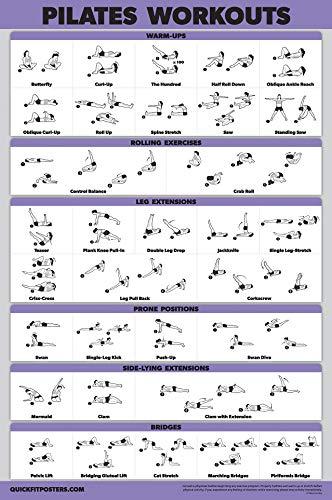
Pilates has gained widespread popularity as a form of exercise that emphasizes core strength, flexibility, and overall physical awareness. Originally developed in the early 20th century by Joseph Pilates, this workout method has evolved into a versatile practice suitable for individuals of various fitness levels. The purpose of this article is to explore the benefits associated with Pilates workouts, including improvements in posture, balance, and mental well-being. Additionally, we will examine various techniques within the Pilates framework, highlighting their unique contributions to health and fitness. By understanding both the advantages and methodologies of Pilates, individuals can make informed decisions about incorporating this practice into their fitness routines.
Table of Contents
- Understanding the Core Principles of Pilates
- Examining the Physical and Mental Benefits of Pilates Workouts
- Innovative Techniques and Variations in Pilates Training
- Recommendations for Incorporating Pilates into Your Fitness Routine
- In Summary
Understanding the Core Principles of Pilates
Pilates is grounded in a few core principles that emphasize a holistic approach to fitness, focusing not just on physical strength but also on mental awareness and breath control. These principles include concentration, which encourages practitioners to focus on the precision of each movement; control, ensuring that every exercise is performed with intention and without strain; and center, highlighting the importance of engaging the core muscles for stability and strength. By integrating these elements, Pilates promotes a balanced and mindful practice that enhances overall well-being.
Furthermore, the principles of flow and breath are crucial for achieving smooth transitions between exercises while maintaining rhythm and relaxation in the body. Incorporating precision through deliberate movements helps prevent injury and encourages optimal alignment, while the principle of flexibility stresses the importance of moving through a full range of motion. Together, these elements create a comprehensive framework that allows practitioners to develop strength, flexibility, and endurance, thereby experiencing the full benefits of Pilates.
Examining the Physical and Mental Benefits of Pilates Workouts
Pilates workouts are renowned for their ability to enhance both physical and mental well-being. Physically, Pilates promotes improved posture, flexibility, and core strength. It accomplishes this by focusing on controlled movements that engage various muscle groups, fostering a deep connection between mind and body. Key physical benefits include:
- Enhanced Flexibility: The stretching and lengthening movements increase range of motion.
- Stronger Core: Targeted exercises build abdominal strength, providing stability and support.
- Improved Posture: Lessons in alignment create awareness for better body mechanics.
On the mental front, Pilates encourages mindfulness and concentration, enabling practitioners to better manage stress and anxiety. By requiring focus on breath and movement, it cultivates a meditative state that can help improve overall emotional health. Cognitive advantages include:
- Increased Mindfulness: Practitioners experience heightened awareness of their bodies and movements.
- Stress Reduction: The rhythmic breathing promotes calmness and relaxation.
- Enhanced Cognitive Function: Coordination of body and mind may lead to improved focus and problem-solving skills.
Innovative Techniques and Variations in Pilates Training
Pilates training has evolved significantly through the years, introducing innovative techniques that enhance both the physical and mental aspects of the workout. One popular method is the integration of technology, such as apps and smart devices that track progress and provide guided routines. Additionally, the use of props like resistance bands, stability balls, and magic circles can amplify resistance and challenge stability, leading to improved strength and balance. Variations of traditional exercises, such as reformer Pilates, tops the list of modernized routines, offering versatility and targeted muscle engagement. This approach not only keeps sessions dynamic but also accommodates varying fitness levels.
Environmental changes in workout practices are also noteworthy, with outdoor Pilates sessions gaining momentum. These classes harness the benefits of nature, offering fresh air and scenic views, which contribute positively to mental well-being. Furthermore, fusion workouts that combine Pilates with other fitness modalities, such as yoga or barre, are becoming increasingly popular. This blending of disciplines allows practitioners to experience a broad range of movements and benefits, leading to improved flexibility, strength, and mindfulness. A brief comparison table illustrates the differences between traditional Pilates and its innovative variations:
| Aspect | Traditional Pilates | Innovative Variations |
|---|---|---|
| Focus | Core strength and stability | Dynamic strength, flexibility, and fusion |
| Equipment | Mat and basic props | Reformers, resistance bands, smart devices |
| Environment | Indoor studios | Outdoor settings and virtual classes |
| Mental Benefits | Mind-body connection | Enhanced focus and stress relief through nature |
Recommendations for Incorporating Pilates into Your Fitness Routine
To effectively incorporate Pilates into your fitness routine, begin by establishing clear goals tailored to your personal fitness level. Whether you’re aiming to increase flexibility, build core strength, or enhance overall body awareness, taking the time to define your objectives will help guide your practice. Consider starting with classes or instructional videos, which can provide essential guidance on correct form and alignment. Once you’re comfortable with the fundamentals, integrate Pilates sessions into your weekly workout schedule, aiming for at least two to three sessions per week for optimal benefits.
As you progress, it’s beneficial to combine Pilates with other forms of exercise to create a well-rounded fitness regimen. Here are some recommendations:
- Alternate Days: Pair Pilates with strength training or cardio on alternate days to promote recovery and overall resilience.
- Short Sessions: Incorporate 10-15 minute Pilates routines on days when you’re short on time, focusing on specific areas like the core or lower back.
- Mindful Practice: Dedicate time for mindful moments during your day, using Pilates principles such as breathing and concentration to enhance your well-being.
In Summary
Pilates workouts offer a range of benefits that extend beyond physical fitness. By emphasizing core strength, flexibility, and body awareness, this exercise methodology can enhance overall well-being and improve posture. The various techniques, whether mat-based or equipment-assisted, cater to diverse fitness levels and personal goals, making Pilates a versatile option for individuals seeking to incorporate mindful movement into their routines. As with any fitness program, it is important for practitioners to approach Pilates with proper guidance and consideration of personal health needs. Ultimately, the integration of Pilates into one’s exercise regimen can lead to lasting improvements in physical health and wellness.