


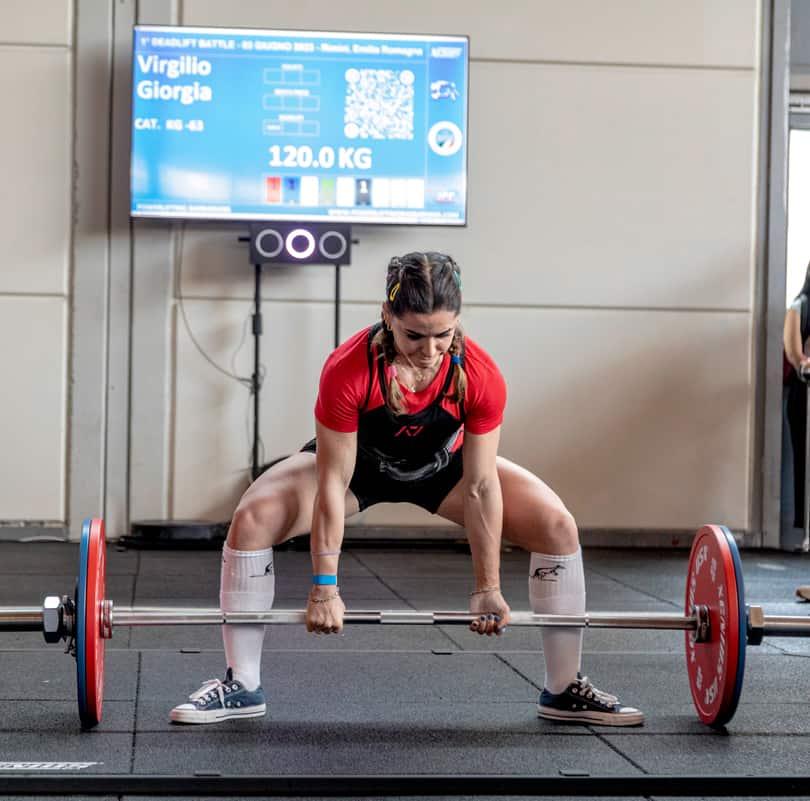
In a world where physical prowess and mental fortitude collide, powerlifting stands as a testament to the extraordinary capabilities of the human body. This sport, where raw strength meets disciplined technique, transforms lifters into athletes who not only push their limits but redefine them. From the meticulous selection of weights to the psychological strategies that fuel a lifter’s resolve, powerlifting is as much an art form as it is a science.
This article delves into the intricate dance between biology and mechanics, exploring how the principles of physics seamlessly integrate with athletic performance. We will uncover the foundational techniques that enhance strength, the nutritional strategies that support recovery, and the community that fosters resilience among lifters. Whether you’re a seasoned competitor or a curious newcomer, join us as we unravel the layers of powerlifting, illuminating how it empowers individuals to unleash their true strength.
Table of Contents
- Understanding the Fundamentals of Powerlifting Technique
- The Role of Nutrition in Maximizing Performance
- Mental Resilience and Focus: Building the Psychological Edge
- Injury Prevention and Recovery Strategies for Lifters
- To Conclude
Understanding the Fundamentals of Powerlifting Technique
To excel in powerlifting, understanding the underlying principles of technique is paramount. Mastery of form ensures not only optimal performance but also the prevention of injuries. Each lift—be it the squat, bench press, or deadlift—requires a unique approach, integrating biomechanical efficiency with the individual lifter’s body mechanics. Key elements that contribute to effective powerlifting technique include:
- Posture: A stable and aligned body posture enhances balance and power output.
- Grip: The proper grip width and strength can significantly impact lift dynamics.
- Foot Placement: Positioning affects leverage; it varies between the lifts to maximize strength.
- Breathing: Effective breathing techniques help maintain core stability throughout the lift.
Moreover, each lift demands a specific sequence of movements that balances strength and efficiency. For instance, during the squat, engaging the core at the onset ensures the spine remains neutral while distributing weight effectively. In contrast, the deadlift emphasizes a strong hip hinge action, which is crucial for lifting heavier loads with safety. Understanding and integrating these fundamentals not only facilitates skill development but also instills confidence in the lifter. Here’s a simple breakdown of essential lift elements:
| Lift | Key Technique |
|---|---|
| Squat | Keep back straight and descend below parallel. |
| Bench Press | Feet flat, back arched slightly for stability. |
| Deadlift | Drive through the heels; keep the bar close to the body. |
The Role of Nutrition in Maximizing Performance
Nutrition plays a pivotal role in the realm of powerlifting, where every kilogram counts and each rep is a testament to the lifter’s dedication. A well-balanced diet provides the essential nutrients required for muscle growth, recovery, and optimal performance. To truly maximize gains, lifters should focus on incorporating macronutrients and micronutrients effectively into their meals. A typical powerlifting diet might include:
- Proteins: Lean meats, fish, dairy, legumes
- Carbohydrates: Whole grains, fruits, vegetables
- Fats: Nuts, seeds, avocados, olive oil
Moreover, timing and techniques of nutrient intake can significantly influence performance. Pre-workout meals should be rich in carbohydrates to fuel the muscles while protein sources can aid recovery post-training. To illustrate the importance of proper nutrition, consider the following table, which outlines the role of specific nutrients at various stages of powerlifting:
| Nutrient | Timing | Purpose |
|---|---|---|
| Carbohydrates | Pre-Workout | Energy Source |
| Protein | Post-Workout | Muscle Repair |
| Electrolytes | During Workout | Hydration and Recovery |
Mental Resilience and Focus: Building the Psychological Edge
Mental resilience is a cornerstone in the realm of powerlifting, enabling athletes to push through both physical and psychological barriers. Establishing a robust mental framework is essential for maintaining focus during training sessions and competitions. Techniques such as visualization, mindfulness, and positive self-talk can significantly enhance an athlete’s mental game. By cultivating these strategies, lifters can develop a stronger connection with their goals, fostering a mindset that sees challenges as opportunities for growth:
- Visualization: Imagine successful lifts to boost confidence.
- Mindfulness: Stay present to manage anxiety during lifts.
- Positive Self-Talk: Replace negativity with affirmations to energize performance.
Furthermore, understanding the psychology behind competition stress and harnessing it can create a significant advantage. Developing a routine that incorporates stress management techniques, such as deep breathing or pre-lift rituals, can help stabilize emotions. A comparison of various mental resilience techniques showcases their effectiveness across different stages of training:
| Technique | Application | Benefit |
|---|---|---|
| Visualization | Pre-lift preparation | Boosts confidence and mental clarity |
| Mindfulness | During warm-up | Reduces anxiety and enhances focus |
| Positive Self-Talk | Before each lift | Increases motivation and ensures a powerful mindset |
Injury Prevention and Recovery Strategies for Lifters
In the realm of powerlifting, where raw strength meets the demands of meticulous technique, the importance of injury prevention can’t be overstated. Lifters must adopt a multifaceted approach that not only emphasizes proper movement patterns but also incorporates strategies for overall well-being. Warm-ups and cool-downs should become non-negotiable rituals, incorporating dynamic stretching to prepare the muscles for intense lifts and static stretches for recovery. Additionally, focusing on myofascial release through techniques such as foam rolling can help alleviate tension and improve overall mobility. A consistent assessment of your body’s feedback is essential; make it a habit to listen to the whispers before they become screams of injury.
Rehabilitation is as critical as lifting itself. Prioritize a balanced routine that includes strengthening and stabilizing complementary muscle groups, ensuring holistic development. Nutrition also plays a vital role in recovery—consider incorporating anti-inflammatory foods rich in omega-3 fatty acids, alongside hydration practices that enhance muscle recovery. Below is a simple table outlining effective recovery practices and their benefits:
| Recovery Practice | Benefits |
|---|---|
| Foam Rolling | Reduces muscle soreness and improves flexibility |
| Active Recovery Workouts | Promotes blood flow and speeds up healing |
| Proper Sleep Hygiene | Enhances muscle recovery and cognitive function |
| Nutritional Timing | Maximizes recovery window post-workout |
To Conclude
As we reach the conclusion of our journey through the world of powerlifting, it becomes clear that this sport is more than just lifting weights; it is a profound fusion of art and science. The meticulous techniques, the dedication to training, and the intimate understanding of one’s body culminate in a unique expression of strength.
Powerlifting teaches us that each lift is a testament to countless hours of perseverance, strategic planning, and mental fortitude. Whether you are a seasoned lifter or someone contemplating your first squat, the principles of powerlifting offer insights that extend beyond the gym. They encourage us to embrace challenges, respect the intricacies of our craft, and celebrate progress in its many forms.
In a world increasingly driven by instant gratification, the discipline of powerlifting reminds us of the value of patience and persistence. As you step away from this exploration, may you find inspiration in both the science that underpins the movement and the artistry inherent in each successful lift. Here’s to your pursuit of strength—may it be both a personal journey and a powerful expression of human potential.