


Core strength is a fundamental component of overall physical fitness, playing a crucial role in enhancing athletic performance, improving posture, and reducing the risk of injuries. A well-developed core stabilizes the body during movement and is essential for everyday activities, from lifting objects to maintaining balance. This article presents a comprehensive guide to effective workout routines specifically designed to build core strength. By exploring various exercises, techniques, and training strategies, readers will gain insight into how to effectively target their core muscles, ensuring a balanced and resilient physique. Whether one is a beginner or an experienced fitness enthusiast, this guide aims to provide valuable information to help individuals achieve their core strength goals safely and efficiently.
Table of Contents
- Understanding Core Strength and Its Importance
- Key Exercises for Developing Core Stability
- Integrating Core Workouts into Your Fitness Routine
- Tips for Measuring Progress in Core Strength Training
- Closing Remarks
Understanding Core Strength and Its Importance
Core strength refers to the stability and control of the muscles in your abdomen, hips, and lower back. These muscles are crucial for everyday activities, providing a strong foundation for movement and balance. When your core is strong, it enhances your overall physical performance and reduces the risk of injuries. Activities such as walking, lifting, running, and even sitting are influenced by core strength, making it a critical aspect of physical fitness. Strong core muscles contribute to better posture, stability, and alignment, which can have a positive impact on your overall well-being.
In addition to aiding in physical performance, a solid core promotes functional movement patterns. This means that everyday tasks become easier and more efficient. When core muscles are engaged, they work synergistically with other muscle groups, allowing for more powerful movements. The benefits of developing core strength extend to athletic performance, with improved agility, balance, and coordination. For rehabilitation purposes, strengthening the core can also alleviate back pain and improve recovery times after injuries. Clearly, cultivating core strength is essential for anyone seeking to enhance their fitness journey.
Key Exercises for Developing Core Stability
Core stability is essential for maintaining proper posture, enhancing athletic performance, and preventing injury. Incorporating targeted exercises into your routine can significantly strengthen the muscles that support the spine and pelvis. Here are some key exercises to consider:
- Plank Variations: Including front, side, and reverse planks can activate multiple core muscles simultaneously.
- Dead Bug: This exercise promotes coordination and balance between the upper and lower body while stabilizing the core.
- Bird Dog: A functional movement that challenges balance and stability by engaging the core while extending limbs.
- Russian Twist: Ideal for targeting the obliques, this exercise enhances rotational strength.
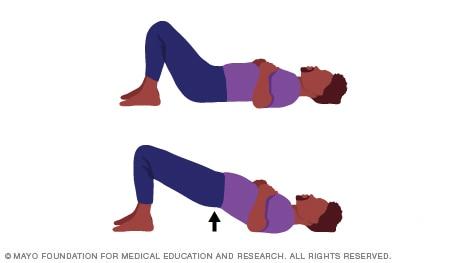
- Glute Bridge: Although primarily targeting the glutes, this exercise also contributes to core stability by engaging the abdominal muscles.
| Exercise | Muscle Groups Targeted |
|---|---|
| Plank | Abdominals, Obliques, Lower Back |
| Dead Bug | Abdominals, Hip Flexors |
| Bird Dog | Lower Back, Glutes, Abdominals |
| Russian Twist | Obliques, Rectus Abdominis |
| Glute Bridge | Glutes, Hamstrings, Abdominals |
Integrating Core Workouts into Your Fitness Routine
Integrating core workouts into your fitness regimen is crucial for enhancing overall performance and stability. To achieve this, consider dedicating specific days of the week for core strength training. For example, you might focus on core workouts every Tuesday and Thursday, allowing your body to recover on alternate days. Additionally, incorporating core exercises into your warm-up routine can prepare your muscles for more intense workouts. Here are some effective ways to seamlessly include core training:
- Add planks before your main workout sessions.
- Incorporate dynamic movements like Russian twists and bicycle crunches during circuit training.
- Include core-focused yoga or Pilates sessions once a week.
To further enhance the effectiveness of your routine, create a balanced schedule that includes various core workouts targeting different muscle groups. Below is a sample weekly plan to help integrate these exercises:
| Day | Core Workout Focus |
|---|---|
| Monday | Stability (e.g., side planks, bird-dogs) |
| Tuesday | Strength (e.g., weighted crunches, hanging leg raises) |
| Wednesday | Active Recovery (e.g., yoga) |
| Thursday | Power (e.g., medicine ball throws, kettlebell swings) |
| Friday | Flexibility (e.g., Pilates) |
Tips for Measuring Progress in Core Strength Training
To effectively gauge your progress in core strength training, it’s essential to adopt a multifaceted approach. Begin by establishing baseline measurements for your core endurance and stability. Consider conducting exercises like the plank, side plank, or hollow hold, then record the duration you can maintain proper form. Reassess these exercises every few weeks to track improvements. Additionally, keep a training journal where you log your workouts, noting the types of exercises, repetitions, and sets. This will not only help identify areas of progression but also highlight exercises that may need modification.
Another key measure of progress is the quality of your movements during core workouts. Focus on how you feel during each exercise; are you engaging the right muscles? You can also use tools like inclinometers or apps that analyze your form and technique. Additionally, consider tracking functional improvements in daily activities or sports. Here’s a simple table to illustrate possible indicators of progress:
| Indicator | Measurement Method | Expected Improvement |
|---|---|---|
| Plank Duration | Time (seconds) | Increase by 10-15% monthly |
| Sit-Up Repetitions | Reps | Increase by 2-5 reps each week |
| Exercise Stability | Self-Assessment | Improve awareness and control |
Closing Remarks
developing a strong core is essential for overall fitness, athletic performance, and injury prevention. The workout routines outlined in this guide offer a variety of exercises targeting the key muscle groups involved in core stabilization and strength. By incorporating these routines into your fitness regimen, you can enhance your physical capabilities and support your body’s functional movements. Remember to consider your individual fitness level and consult with a professional if needed before starting any new exercise program. Consistency, progression, and mindful execution are vital to achieving the desired outcomes. With dedication and the right approach, you can significantly improve your core strength and enjoy the myriad benefits it brings to your daily life and workouts.