


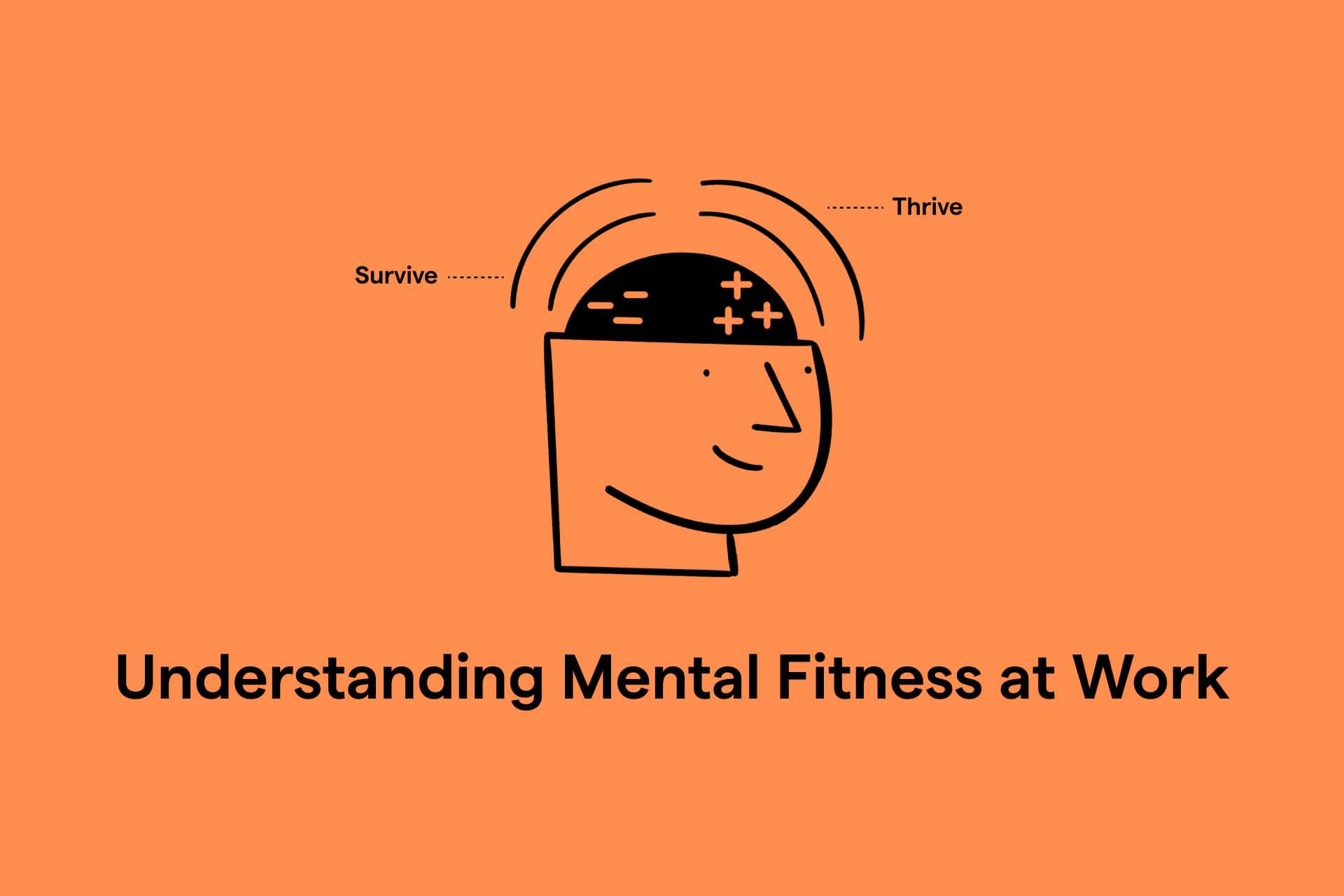
In a world teeming with distractions and demands, the concept of wellness often conjures images of physical health, exercise regimens, and balanced diets. Yet, beyond the physical façade lies an equally vital component of holistic well-being: mental fitness. This often-overlooked facet of our health landscape not only shapes our emotional resilience but also influences our cognitive clarity and overall quality of life. Just as a gym session strengthens muscles, cultivating mental fitness equips us to navigate life’s challenges with grace and confidence. As we embark on this journey to unlock wellness, we delve into the essential role that mental fitness plays—not merely as a supplement to our daily routines, but as an integral pillar supporting a thriving, balanced existence. Join us as we explore strategies, insights, and practices that illuminate the path to nurturing our minds and enriching our lives.
Table of Contents
- Exploring the Foundations of Mental Fitness for a Balanced Life
- Cultivating Resilience: Strategies to Strengthen Your Mental Muscles
- Mindfulness and Meditation: Key Practices for Enhancing Mental Well-being
- Building a Supportive Environment: The Impact of Community on Mental Fitness
- Final Thoughts
Exploring the Foundations of Mental Fitness for a Balanced Life
At the heart of mental fitness lies the ability to cultivate resilience, emotional intelligence, and a positive mindset. These foundational pillars interact harmoniously, fostering a sense of wellbeing and balance in daily life. Understanding and developing these components can significantly improve how we navigate stress and face challenges. By integrating practices such as mindfulness, physical activity, and healthy social connections, we can enhance our mental robustness. Consider the following strategies:
- Mindfulness Meditation: Allocating just a few minutes daily can help center your thoughts.
- Regular Exercise: Physical activity releases endorphins, boosting your mood and reducing anxiety.
- Social Engagement: Connecting with friends or support groups creates a sense of belonging and reduces feelings of isolation.
- Gratitude Journaling: Writing down what you’re thankful for can shift your perspective to a more positive one.
Understanding the interplay between these foundational elements encourages a proactive approach to mental wellness. As individuals take incremental steps to enhance their mental fitness, they begin to experience profound changes in their overall life balance. A simple yet effective method to monitor progress and engagements with these practices is by utilizing a tracking table:
| Practice | Frequency | Duration |
|---|---|---|
| Mindfulness Meditation | Daily | 10 minutes |
| Physical Exercise | 3-5 times/week | 30 minutes |
| Social Engagement | Weekly | 1 hour |
| Gratitude Journaling | Daily | 5 minutes |
Cultivating Resilience: Strategies to Strengthen Your Mental Muscles
Building mental resilience is akin to honing a muscle—it requires regular training and dedication. One effective strategy is to embrace mindfulness practices, which encourage individuals to stay grounded in the present moment. This not only alleviates stress but enhances self-awareness. Incorporating activities such as meditation, yoga, or deep-breathing exercises can significantly bolster emotional stability. Additionally, setting realistic goals can provide structure. Break large objectives into smaller, manageable tasks, and celebrate your progress to maintain motivation and a sense of accomplishment.
Another powerful tool in fostering resilience is the practice of gratitude. Keeping a gratitude journal, where you consistently jot down things you appreciate, can shift your focus from challenges to positives in your life. This mindset not only uplifts mood but also strengthens your coping mechanisms during tough times. Engaging in social connections is equally crucial; surrounding yourself with supportive individuals creates a buffer against adversity. When faced with obstacles, seek out your tribe and share experiences—after all, resilience is often nurtured in the company of others.
Mindfulness and Meditation: Key Practices for Enhancing Mental Well-being
In today’s fast-paced world, many people find themselves constantly bombarded by stressors that can negatively impact their mental health. Mindfulness and meditation serve as powerful antidotes to this chaos, offering individuals valuable tools for enhancing their overall well-being. By incorporating these practices into daily routines, one can cultivate a sense of calm and clarity amidst the clutter. Regular mindfulness exercises, such as deep breathing or body scans, allow individuals to focus on the present moment and appreciate it without judgment. This simple act of turning inward can lead to profound shifts in perspective, reducing anxiety and promoting peace.
When paired with meditation, the benefits of mindfulness expand even further. Engaging in techniques such as guided imagery or loving-kindness meditation encourages self-compassion and connection with others. Practicing these methods allows users to:
- Reduce stress by equipping the mind to handle life’s challenges more effectively.
- Enhance emotional regulation, leading to better interactions and relationships.
- Improve focus and cognitive flexibility, which can enhance productivity.
- Create a deeper sense of gratitude and appreciation for life.
With consistency and dedication, one can unlock the transformative potential of these practices, making mental fitness an integral part of their wellness journey.
Building a Supportive Environment: The Impact of Community on Mental Fitness
A thriving community serves as the backbone of mental fitness, creating an ecosystem where individuals feel valued and understood. When people unite, they foster a sense of belonging that can significantly alleviate feelings of isolation and anxiety. By engaging in shared activities and conversations, members of a community can provide support that is both emotional and practical. Consider the following benefits of a supportive environment:
- Emotional Resilience: Peer support can help individuals bounce back from setbacks.
- Resource Sharing: Communities often provide access to mental health resources and coping strategies.
- Increased Awareness: Conversation within a group promotes understanding and reduces stigma surrounding mental health issues.
Moreover, when communities cultivate a culture of support and understanding, they naturally enhance the mental fitness of their members. This environment encourages individuals to share their struggles without fear of judgment, which is crucial for personal growth. An example of this is community workshops that focus on mindfulness, coping mechanisms, and skill-building, which can be structured as follows:
| Workshop Theme | Date | Facilitator |
|---|---|---|
| Mindfulness & Meditation | March 15, 2024 | Sarah Thompson |
| Stress Management Techniques | April 10, 2024 | Dr. James Lee |
| Building Resilience | May 5, 2024 | Maya Patel |
Final Thoughts
In the journey of life, where each moment intertwines with the next, mental fitness emerges as a steadfast ally. As we’ve explored the profound impact of nurturing our mind, it becomes clear that unlocking wellness is not merely a goal but a continuous, evolving process. Just as we embark on physical training to enhance our body’s strength, cultivating mental resilience and balance is equally vital for our overall well-being.
In this intricate tapestry of life, let us remember that mental fitness is not a destination, but a practice—an ongoing commitment to ourselves. By prioritizing activities that engage our minds, fostering connections, and embracing moments of reflection, we carve out pathways to not only survive but thrive. As we close this chapter on unlocking wellness, may we carry forward the insight that a healthy mind is the foundation upon which all else stands. Here’s to a future where mental fitness becomes woven into the very fabric of our lives, empowering us to navigate life’s challenges with grace and strength.