


Hey there, food lovers and health seekers! If you’ve been scrolling through social media or chatting with friends lately, you’ve probably stumbled upon the buzz surrounding intermittent fasting (IF). But what’s the deal? Is it just another trendy diet, or can it genuinely help you level up your health game? Well, grab a snack (but maybe don’t eat it for a while!) because we’re diving into the world of intermittent fasting. In this guide, we’ll break down the science behind the fasting frenzy, explore different methods you can try, and, most importantly, give you practical tips on how to make eating smart a breeze. Whether you’re a seasoned pro or just curious about the concept, this article will help you unlock the mysteries of intermittent fasting and discover how it can fit perfectly into your lifestyle. Let’s get started!
Table of Contents
- Understanding Intermittent Fasting and Its Benefits
- Finding Your Fasting Window: Tips for Success
- Smart Food Choices to Maximize Your Fasting
- Common Pitfalls to Avoid While Fasting
- In Retrospect
Understanding Intermittent Fasting and Its Benefits
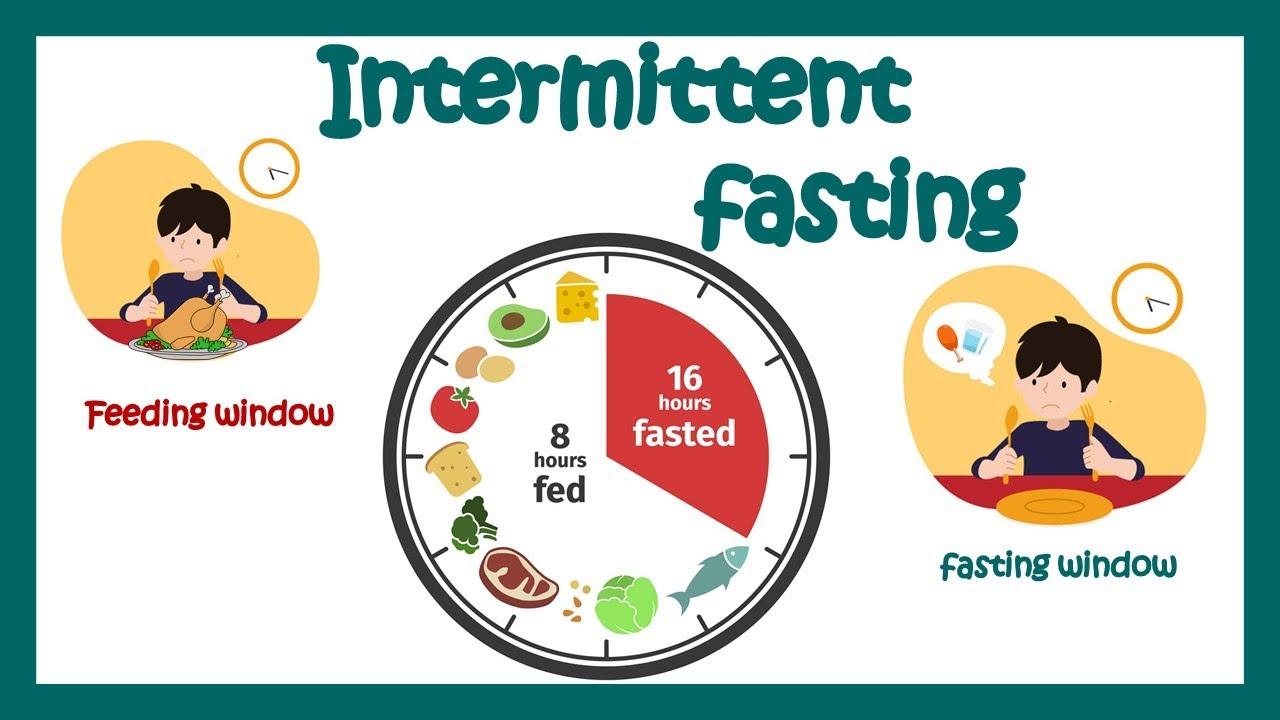
Intermittent fasting (IF) has gained immense popularity as a flexible eating pattern that alternates between periods of eating and fasting. Rather than focusing on what to eat, this approach emphasizes when to eat, making it a refreshing change for many. The principle is simple: you have a designated window for meals, which can be tailored to fit your lifestyle. For instance, you might choose to eat between noon and 8 PM, allowing for a daily fasting period of 16 hours. This not only encourages mindful eating but can also lead to improved metabolism and weight management.
Exploring the benefits of intermittent fasting reveals a treasure trove of health advantages. Some of the key perks include:
- Weight Loss: Enhanced fat burning and improved hormone function.
- Improved Insulin Sensitivity: Aiding in better blood sugar control.
- Cellular Repair: Triggering autophagy, the process where cells remove damaged components.
- Mental Clarity: Possible boosts in focus and cognitive function during fasting periods.
- Longevity: Early research shows potential for increased lifespan through caloric restriction.
| Fasting Method | Eating Window | Fasting Duration |
|---|---|---|
| 16/8 Method | 12 PM – 8 PM | 16 Hours |
| 5:2 Diet | Normal Eating 5 days, 500-600 calories 2 days | 2 Days Low-Calorie |
| Eat-Stop-Eat | 24-Hour Fasting (Once or Twice a Week) | 24 Hours |
Finding Your Fasting Window: Tips for Success
Choosing the perfect fasting window is crucial for making intermittent fasting a seamless part of your lifestyle. One approach is to experiment with various time slots to find what feels best for you. Keep in mind that this can vary from person to person, so don’t hesitate to try out different cycles. Here are some tips to help you decide:
- Listen to Your Body: Pay attention to how you feel during different fasting periods. If you feel sluggish or overly hungry, it might not be the right fit.
- Start Small: Begin with a shorter fasting period, like 12 hours, and gradually increase it as your body adjusts.
- Consider Your Schedule: Align your fasting window with your daily routine, choosing times that fit your work and social commitments.
- Stay Hydrated: You can drink water, herbal tea, or black coffee during your fasting window to stay satisfied and hydrated.
Once you’ve set your fasting window, tracking your progress can keep you motivated. Consider maintaining a simple log to jot down your feelings, energy levels, and any challenges you face. Here’s a quick table to help you visualize your journey:
| Date | Fasting Hours | Energy Level (1-10) | Challenges Faced |
|---|---|---|---|
| Day 1 | 16 | 7 | Initial Hunger |
| Day 2 | 16 | 8 | Less Craving |
| Day 3 | 16 | 9 | No Issues |
Keeping such insights at your fingertips will not only help you fine-tune your fasting strategy but also empower you to stick with it for the long haul. Embrace the journey, experiment wisely, and find the perfect rhythm that suits your lifestyle!
Smart Food Choices to Maximize Your Fasting
Maximizing the benefits of intermittent fasting isn’t just about when you eat, but also what you eat. During your eating windows, focus on incorporating nutrient-dense foods that nourish your body and sustain your energy levels. Here are some smart choices to consider:
- Lean Proteins: Chicken, turkey, eggs, or plant-based sources like lentils and chickpeas.
- Healthy Fats: Avocados, nuts, seeds, and olive oil to promote satiety.
- Whole Grains: Quinoa, brown rice, and oats deliver sustained energy.
- Colorful Vegetables: Spinach, broccoli, and bell peppers packed with vitamins and minerals.
Don’t forget to stay hydrated! Water is your best friend during fasting and can help stave off hunger. Additionally, you might want to include foods rich in electrolytes, such as coconut water or pickle juice, to keep your body balanced. Here’s a quick reference table on food choices to optimize your fasting experience:
| Food Group | Top Choices |
|---|---|
| Proteins | Chicken, Tofu, Eggs |
| Fats | Avocado, Olive Oil, Nuts |
| Carbohydrates | Quinoa, Sweet Potatoes, Fruits |
| Hydration | Water, Herbal Tea, Coconut Water |
Common Pitfalls to Avoid While Fasting
Embarking on an intermittent fasting journey can be rewarding, but it’s essential to sidestep common missteps. Misunderstanding the fasting windows is a top pitfall; many newcomers either shorten the eating period or extend the fasting phase, leading to ineffective results. Properly adhering to the designated eat and fast times is crucial for maximizing benefits. Additionally, overindulging during eating periods can dilute the positive effects of fasting. It’s tempting to enjoy a feast after a fast, but this can stall your progress and potentially lead to unwanted weight gain.
Another significant hurdle is neglecting hydration. Water intake is often overlooked, yet staying hydrated is key to feeling energized and reducing hunger pangs. Make sure to drink plenty of fluids, especially water, herbal teas, or black coffee during fasting hours. Also, skipping nutrient-dense foods when the eating window opens can leave you feeling drained. Opt for a balanced diet filled with wholesome foods that provide essential vitamins and minerals. Here’s a quick reference table of foods to prioritize:
| Food Type | Benefits |
|---|---|
| Leafy Greens | High in nutrients and low in calories |
| Protein Sources | Helps repair muscles and keeps you full |
| Nuts & Seeds | Rich in healthy fats and fibers |
| Whole Grains | Provide sustained energy during fasting |
In Retrospect
And there you have it! You’ve just unlocked the secrets of intermittent fasting, and now you’re ready to take charge of your eating habits like a pro. Remember, it’s not just about when you eat, but what you choose to fuel your body with during those eating windows. Whether you’re starting with a 16/8 schedule or trying out alternate-day fasting, the key is to listen to your body and find what works best for you.
So, take a deep breath, set your intentions, and step into this journey with confidence. Embrace the flexibility of intermittent fasting, experiment with different meal options, and don’t forget to enjoy the process! Eating smart is all about balance, and with a little practice, you’ll be mastering this lifestyle in no time.
Thanks for diving into this guide with us! Here’s to your health, happiness, and a newfound relationship with food. Cheers to unlocking the power of intermittent fasting! Happy feasting—and fasting! 🍽️✨