


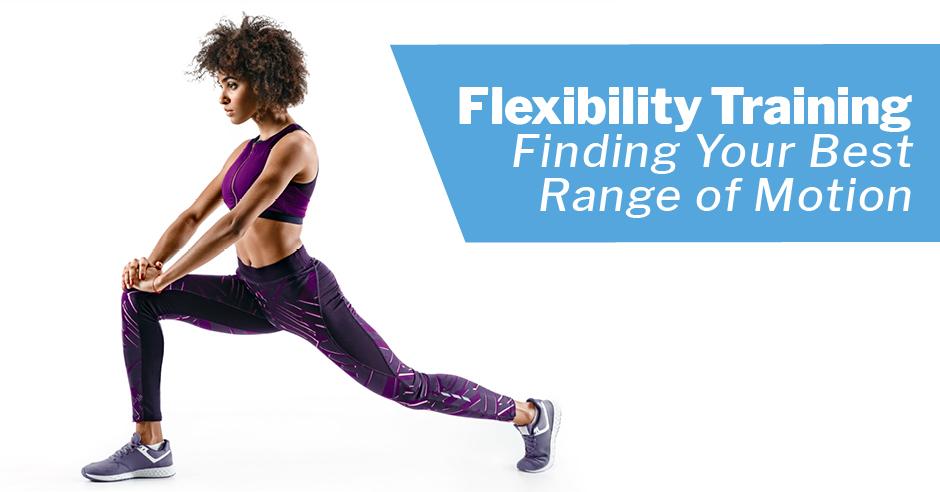
In a world that often celebrates strength and endurance, flexibility remains an unsung hero in the realm of fitness. Yet, it serves as the foundation upon which agility, resilience, and overall well-being are built. Welcome to ”Unlocking Potential,” where we delve into a transformative flexibility training program designed to enhance not just the physical body, but also the mind and spirit. In this article, we will explore the pivotal role flexibility plays in everyday life, from improving athletic performance to preventing injuries, and fostering a sense of calm amidst the hustle. Whether you’re a seasoned athlete, a weekend warrior, or someone simply seeking to add grace to your movement, join us as we unveil a structured approach that nurtures your body’s potential and encourages a harmonious balance within. Your journey toward unlocking newfound agility and serenity starts here.
Table of Contents
- Exploring the Science Behind Flexibility and Its Impact on Performance
- Crafting a Tailored Flexibility Training Routine for Every Skill Level
- Integrating Mindfulness and Recovery Techniques for Enhanced Flexibility
- Tracking Progress: Tools and Strategies to Measure Your Flexibility Gains
- Concluding Remarks
Exploring the Science Behind Flexibility and Its Impact on Performance
Flexibility is often the unsung hero in the realm of athletic performance, intricately linked to a wide range of physical abilities and overall body function. It allows muscles and joints to move through their complete range of motion, which can lead to better performance in various activities. When muscles are flexible, they can work more efficiently, reducing the risk of injury and enhancing strength during explosive movements. A comprehensive training program that prioritizes flexibility can help to:
- Improve athletic performance by allowing for greater mobility.
- Enhance recovery through improved blood flow and nutrient delivery to muscles.
- Reduce muscle tightness, promoting a greater sense of ease during workouts.
Research shows that flexibility training can also have a profound impact on muscle coordination and balance. Various scientific studies indicate that increased flexibility is associated with enhanced motor performance, particularly in sports requiring dynamic movements. Below is a simple comparison of flexibility training methods that can be incorporated into a performance enhancement routine:
| Flexibility Training Method | Benefits |
|---|---|
| Static Stretching | Increases overall muscle elasticity and range of motion. |
| Dynamic Stretching | Enhances blood flow and prepares muscles for high-intensity activities. |
| PNF Stretching | Promotes maximum flexibility gains through contraction and relaxation. |
Crafting a Tailored Flexibility Training Routine for Every Skill Level
Creating a flexibility training routine that caters to various skill levels is crucial for fostering growth and preventing injuries. Whether you’re a complete novice or an advanced practitioner, the key lies in understanding your body and gradually challenging your limits. To start, identify your current flexibility capabilities through basic assessments. This could include simple stretches such as reaching for your toes or performing a seated straddle. Based on your results, tailor your routine by incorporating dynamic stretches for warm-up and static stretches for cool down. Here’s a quick guide to essential stretches based on proficiency:
| Skill Level | Recommended Stretches |
|---|---|
| Beginner |
|
| Intermediate |
|
| Advanced |
|
Incorporating a mix of static and dynamic stretches ensures both muscle engagement and lengthening. For beginners, focusing on foundational stretches will enhance overall mobility without overwhelming the body. Intermediate practitioners can start integrating holds and deeper stretches to challenge their flexibility further, while advanced users should aim for more complex poses that require strength and stability. Additionally, consider a weekly progression plan to incrementally increase the intensity and duration of your sessions, allowing ample time for recovery. This approach not only fosters physical improvement but also encourages a sustainable practice that nurtures both body and mind.
Integrating Mindfulness and Recovery Techniques for Enhanced Flexibility
Integrating mindfulness into your flexibility training can create a powerful synergy that goes beyond physical limits. By fostering a deeper awareness of your body and its movements, mindfulness can enhance both your recovery process and your capacity to stretch. Practicing mindfulness techniques, such as focused breathing and body scanning, allows you to connect with your muscles, identifying areas of tension and understanding how to alleviate discomfort effectively. This conscious approach not only aids in recovery but also cultivates patience, enabling you to listen to your body’s signals and gradually expand your flexibility without risking injury.
To further enrich your training, consider incorporating specific recovery techniques that complement your mindfulness practice. These could include:
- Gentle Stretching: Incorporate slow, mindful stretches while focusing on breathing to enhance muscle relaxation.
- Foam Rolling: Use self-myofascial release to alleviate tension, allowing deeper engagement with mindfulness.
- Guided Visualization: Envision each stretch, picturing your muscles lengthening and relaxing, which fosters a deeper connection to the movements.
Combining these practices will not only optimize your flexibility results but also promote a lasting sense of calm and well-being. Tracking progress through journals or apps can further enhance this integration, providing insights into your physical and mental states. The overall approach becomes a holistic journey that transforms flexibility training into an enjoyable and mindful practice.
Tracking Progress: Tools and Strategies to Measure Your Flexibility Gains
Tracking your flexibility gains is essential to keep you motivated and accountable on your journey. Utilize a combination of tools and strategies to effectively monitor your progress. Consider keeping a flexibility journal to document your daily or weekly stretching routines, noting improvements in range of motion and the ease with which you perform stretches. This helps visualize your progress while identifying areas that may need extra attention. Additionally, technology can enhance your tracking efforts; using apps designed for workout logging can provide insightful analytics, allowing you to see trends over time.
Another valuable strategy is to incorporate periodic assessments into your routine. Assessments can be as straightforward as performing specific stretches or yoga poses and recording the results. Here are some effective methods to measure progress:
- Take photos at regular intervals to visually compare your flexibility.
- Use a goniometer or measuring tape to quantify joint angles.
- Incorporate dynamic movements into your assessments, such as forward bends or split stretches.
To keep things organized, consider using a simple table format for summarizing your findings:
| Assessment Date | Stretch Type | Range of Motion (Degrees) | Ease (1-10) |
|---|---|---|---|
| Week 1 | Forward Bend | 75° | 5 |
| Week 4 | Forward Bend | 90° | 7 |
| Week 8 | Forward Bend | 110° | 8 |
Concluding Remarks
As we conclude our exploration of “,” we emphasize that flexibility is more than just bending and stretching; it is the key to a well-rounded fitness regime and an essential component of overall wellness. This program not only aims to enhance physical performance and prevent injury but also fosters a deep awareness of body mechanics, allowing each individual to tap into their full potential.
As you embark on this flexibility journey, remember that progress is a personal path—one that requires patience, dedication, and a willingness to listen to your body. Whether you’re an athlete seeking an edge, a professional aiming to alleviate tension, or someone simply seeking to improve your quality of life, embracing flexibility training can transform how you move and feel.
So, take that first step, unroll your mat, and unlock the possibilities that lie within. With commitment and an open mind, you’ll discover how flexibility can greatly enrich your physical capabilities and your everyday life. Here’s to a more agile, resilient, and empowered you!