


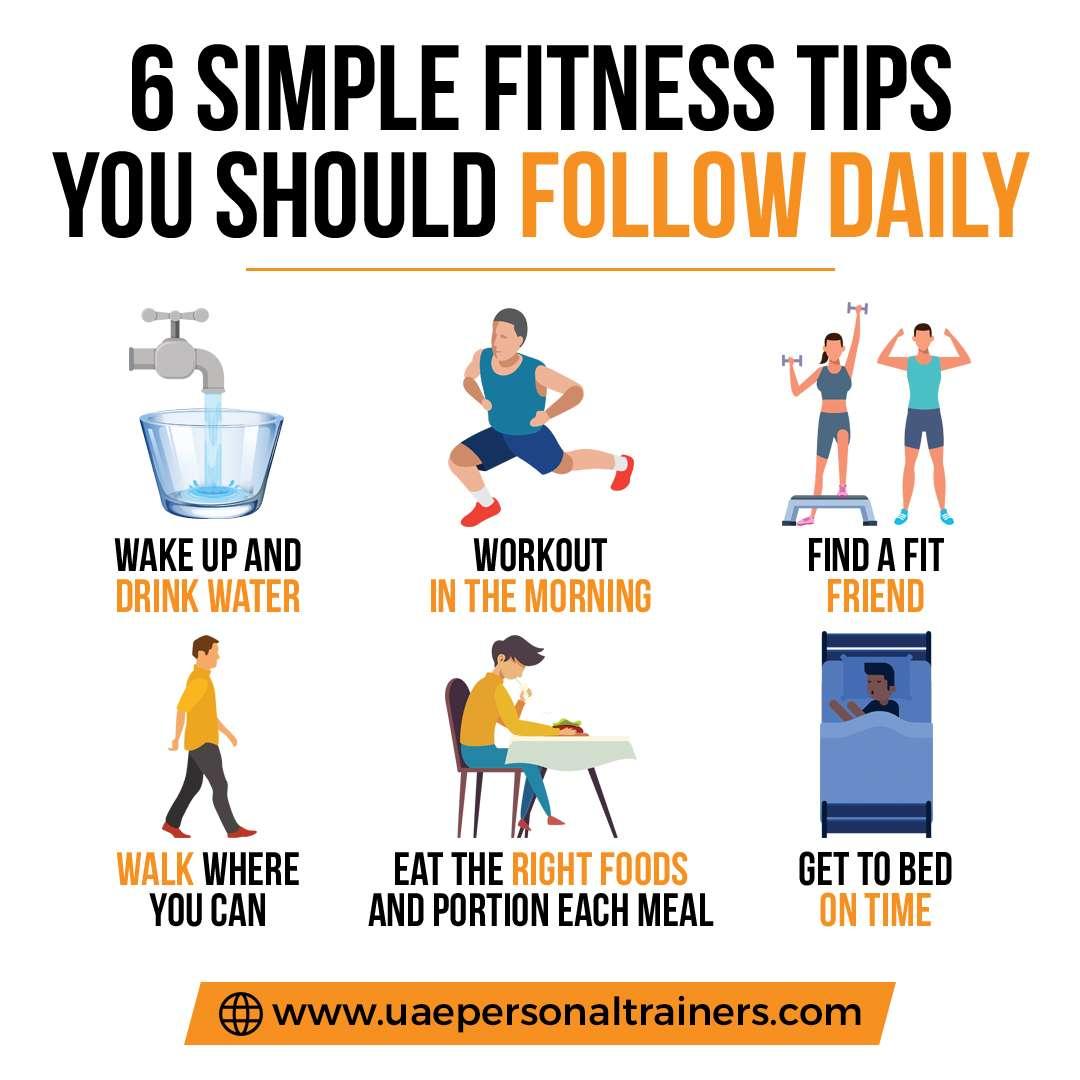
In the pursuit of better health and improved physical fitness, many individuals seek to enhance their workout routines. However, with an overwhelming array of training methodologies, diet plans, and fitness trends, it can be challenging to identify the most effective strategies for achieving optimal results. This article aims to provide a comprehensive overview of actionable workout tips designed to maximize your fitness routine. By examining essential elements such as exercise selection, proper form, recovery techniques, and goal-setting strategies, we will offer insights that can help individuals tailor their approach to fitness, ultimately promoting efficiency and effectiveness in their workouts. Whether you are a seasoned athlete or a beginner taking your first steps into fitness, these guidelines are intended to support your journey toward achieving your health and wellness objectives.
Table of Contents
- Understanding Your Fitness Goals
- Incorporating Variety into Your Workouts
- Nutrition and Hydration Strategies for Optimal Performance
- Monitoring Progress and Adjusting Your Routine
- The Conclusion
Understanding Your Fitness Goals
Setting fitness goals is a vital step in creating a successful workout plan. It’s important to consider both your short-term and long-term aspirations. Short-term goals can provide quick wins and boost your motivation, while long-term goals help create a sustainable path for progress. When defining your goals, think about making them SMART: Specific, Measurable, Achievable, Relevant, and Time-bound. This framework not only clarifies your objectives but also provides a structured approach to monitor your progress.
When evaluating your fitness objectives, it is beneficial to reflect on what you truly want to achieve. Whether you aim to improve endurance, build strength, lose weight, or increase flexibility, identify factors that matter most to you. Consider the following aspects as you establish your fitness aspirations:
- Health Benefits: Enhancing overall well-being or managing a specific health condition.
- Performance Goals: Achieving a personal best in a sport or competition.
- Aesthetic Goals: Shaping your physique through weight loss or muscle tone.
- Consistency: Enhancing your exercise routine to make fitness a daily habit.
Incorporating Variety into Your Workouts
To keep your fitness routine fresh and engaging, it’s essential to introduce different types of exercises regularly. Variety not only reduces boredom, but it also helps prevent plateaus in your progress. Here are some effective ways to incorporate diversity into your workouts:
- Mix Up Your Cardio: Alternate between running, cycling, swimming, and even dance classes.
- Change Your Strength Training: Use free weights, resistance bands, and bodyweight exercises like push-ups and squats.
- Try New Fitness Classes: Explore yoga, pilates, or kickboxing to challenge different muscle groups.
- Set Different Goals: Pick a different fitness goal each month, such as increasing your distance or mastering a new skill.
Incorporating these strategies not only encourages motivation but can also enhance muscle engagement and overall conditioning. You can even plan a weekly workout schedule to ensure you’re hitting all the right notes. Here’s a simple template:
| Day | Workout Type | Focus Area |
|---|---|---|
| Monday | Interval Training | Cardio |
| Tuesday | Strength Training | Upper Body |
| Wednesday | Yoga | Flexibility & Recovery |
| Thursday | HIIT | 全身 |
| Friday | Group Class | Cardio & Community |
| Saturday | Outdoor Activity | Endurance |
| Sunday | Rest | Recovery |
Nutrition and Hydration Strategies for Optimal Performance
Achieving peak performance during workouts hinges on a well-structured approach to nutrition and hydration. Consuming the right balance of macronutrients can greatly influence energy levels, endurance, and recovery. Consider incorporating the following elements into your diet:
- Carbohydrates: Essential for energy; focus on whole grains, fruits, and vegetables.
- Proteins: Crucial for muscle repair; include lean meats, fish, eggs, and plant-based sources.
- Fats: Necessary for overall health; choose healthy fats such as avocados, nuts, and olive oil.
In addition to a balanced diet, maintaining proper hydration is key to sustaining performance. Dehydration can lead to decreased strength and stamina, making fluid intake vital pre-, during, and post-exercise. Recommended practices include:
- Pre-workout: Drink water and electrolyte-rich beverages to prepare your body.
- During workouts: Hydrate every 15-20 minutes, especially if exercising for over an hour.
- Post-workout: Replenish lost fluids with water and snacks that include hydration-boosting ingredients.
| Timing | Recommended Intake |
|---|---|
| Before Exercise | 16-20 oz of water |
| During Exercise | 7-10 oz every 10-20 minutes |
| After Exercise | 16-24 oz for every pound lost |
Monitoring Progress and Adjusting Your Routine
To effectively gauge your progress, it’s crucial to implement a consistent tracking system. This can be done by keeping a workout journal or using fitness apps that allow you to log your exercises, track your weights, and monitor your performance over time. Consider the following methods for tracking your fitness journey:
- Set measurable goals: Specific, attainable targets help you stay focused.
- Take progress photos: Visual comparisons can highlight changes that may not be evident through numbers alone.
- Maintain a workout log: Documenting exercises and personal bests provides tangible evidence of improvement.
- Utilize fitness trackers: Wearables can provide real-time data on your heart rate, calories burned, and activity levels.
Adjusting your routine based on the collected data is essential for continued progress. If you notice stagnation or burnout, consider switching up your workouts or incorporating different types of exercises. Here’s a simple table to help you identify when it might be time to reassess your regimen:
| Signs You Need to Adjust | Suggested Adjustments |
|---|---|
| Lack of progress | Increase weights or change rep ranges |
| Loss of motivation | Try new workout classes or activities |
| Frequent fatigue | Incorporate more rest days or active recovery |
| Injury or discomfort | Consult a trainer and modify exercises accordingly |
The Conclusion
optimizing your fitness routine requires a multifaceted approach that includes setting clear goals, incorporating a variety of exercises, maintaining proper nutrition, and prioritizing recovery. By applying the effective workout tips outlined in this article, individuals can enhance their performance, avoid plateaus, and sustain long-term motivation. It is essential to listen to your body and adjust your routines as needed, recognizing that consistency and adaptability are key components of successful fitness journeys. As you implement these strategies, remember that personal progress is unique to each individual, and the path to achieving your fitness goals is a continuous learning experience. With commitment and dedication, you can maximize the benefits of your workouts and achieve a healthier lifestyle.