


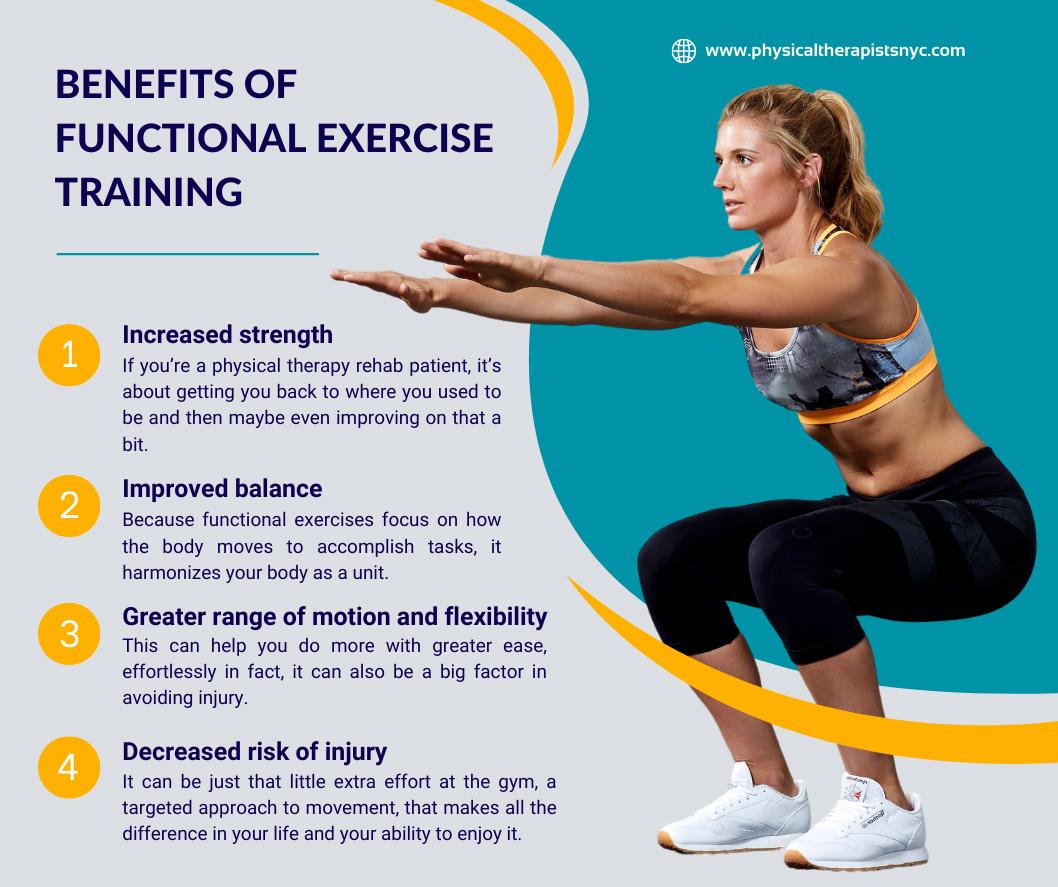
In a world where the pace of life continues to accelerate, the need for fitness that translates seamlessly into everyday activities has never been more vital. Enter functional fitness training, a dynamic approach to physical conditioning that emphasizes movements used in daily life, enhancing strength, flexibility, and coordination. Gone are the days when gym routines focused solely on aesthetics; today, fitness enthusiasts are discovering the profound impact of exercises designed to improve their performance in real-world scenarios. This article delves into the essence of functional fitness, exploring its principles, benefits, and how it serves as a key to unlocking the potential within each individual. Whether you’re an athlete seeking to refine your capabilities or a novice eager to embrace a healthier lifestyle, understanding the power of functional fitness training could transform the way you move through life. Join us on this journey to discover how simple, purposeful movements can empower not just your body, but your overall well-being.
Table of Contents
- Exploring the Foundations of Functional Fitness
- Understanding the Benefits for Everyday Life
- Designing a Functional Fitness Routine for All Levels
- Incorporating Mindfulness for Holistic Progress
- Final Thoughts
Exploring the Foundations of Functional Fitness
At its core, functional fitness emphasizes movements that mimic everyday activities, enhancing strength, balance, coordination, and endurance. This approach not only prepares the body for real-world challenges but also reduces the risk of injury by integrating multiple muscle groups and encouraging proper biomechanics. In practice, functional fitness involves training that incorporates various elements such as:
- Your body’s weight: Using movements like squats and push-ups to build foundational strength.
- Free weights: Engaging stabilizer muscles with exercises like kettlebell swings and dumbbell lifts.
- Resistance bands: Providing variable resistance to promote joint stability and functional strength.
This training model promotes versatility in physical fitness, adapting to each individual’s specific needs—be it for athletes enhancing performance or older adults preserving independence. To better understand the essential components of functional fitness, consider the following framework:
| Component | Example Exercises |
|---|---|
| Strength | Deadlifts, Squats |
| Endurance | Burpees, Circuit Training |
| Flexibility | Yoga, Dynamic Stretching |
| Balance | Single-leg stands, Stability ball exercises |
Understanding the Benefits for Everyday Life
Functional fitness training transcends the confines of traditional workouts, offering a practical approach that directly enhances everyday activities. By focusing on movements that mimic real-life tasks, this form of training fosters improved balance, coordination, and strength, which can make mundane chores, like lifting groceries or playing with your children, feel easier and more enjoyable. Incorporating functional exercises into your routine can lead to significant gains in your overall physical capacity, thus empowering you to tackle daily challenges with greater confidence.
Moreover, the benefits of functional fitness extend beyond physical capability; they also promote mental well-being. Engaging in varied and dynamic movements can elevate mood, reduce stress, and strengthen your connection to your body. By embracing this holistic approach, individuals may experience enhanced performance in various life scenarios, from climbing stairs to participating in recreational sports. Consider the following ways functional fitness can enrich your daily life:
- Improved Mobility: Enhanced joint function and flexibility.
- Increased Endurance: More energy for daily tasks.
- Strength Development: Greater ability to lift and carry.
- Injury Prevention: A stronger body helps mitigate risk.
Designing a Functional Fitness Routine for All Levels
Creating a functional fitness routine that caters to various skill levels starts with a few key principles that ensure inclusivity and effectiveness. Assessing individual capabilities is paramount; understanding what each person can achieve allows for tailored modifications. Incorporating a mix of exercises that focus on strength, balance, endurance, and flexibility can help everyone progress at their own pace. When designing your routine, consider including:
- Bodyweight movements: Squats, lunges, push-ups
- Resistance training: Dumbbells, resistance bands
- Functional lifts: Deadlifts, presses
- Core stability exercises: Planks, bird-dogs
- Dynamic stretching: Arm circles, leg swings
In addition to a variety of exercises, incorporating a progression strategy is vital. Everyone should feel challenged without the risk of injury. This can be achieved by gradually increasing intensity or complexity over time. Implementing a weekly structure can help participants see their advancement, guided by feedback and support. Here’s a simple weekly breakdown for a functional fitness routine:
| Day | Focus | Example Activities |
|---|---|---|
| Monday | Strength | Squats, Push-Ups |
| Wednesday | Cardio | Brisk Walking, Jump Rope |
| Friday | Flexibility | Yoga, Stretching |
Incorporating Mindfulness for Holistic Progress
Integrating mindfulness into your functional fitness routine can amplify your results both physically and mentally. By anchoring your mind in the present moment, you enable yourself to truly connect with your body and its movements. Consider implementing techniques such as focused breathing, body scans, or visualization to enhance your workouts. These practices not only improve your exercise efficiency but also foster a greater sense of well-being.
To weave mindfulness into your training, try incorporating the following strategies:
- Mindful Breathing: Before each session, take a few moments to focus on your breath, grounding yourself in the present.
- Awareness of Movement: Pay attention to how your body feels during exercises, adjusting your form to align with your body’s needs.
- Gratitude Reflection: Conclude your training with a brief reflection on what your body accomplished, cultivating an attitude of appreciation.
Below is a table to help visualize various mindfulness techniques that can be seamlessly integrated into your functional fitness training:
| Technique | Benefit |
|---|---|
| Focused Breathing | Enhances concentration and reduces anxiety. |
| Body Scanning | Increases awareness of bodily sensations and tension. |
| Visualization | Improves motivation and mental clarity. |
Final Thoughts
the journey of unlocking potential through functional fitness training is not just about building strength or endurance; it’s about enhancing the quality of our daily lives. By focusing on movements that mirror real-life activities, we empower ourselves to move more freely and confidently, both in and out of the gym. As we embrace this holistic approach to fitness, we find that the benefits extend beyond the physical, nurturing a greater sense of well-being and resilience. Whether you’re a seasoned athlete or a newcomer exploring the world of fitness, functional training holds the key to maximizing your capabilities and achieving your personal best. So, take the leap, embrace the challenge, and let the transformative power of functional fitness unlock your potential. The journey is yours—step into it and discover the amazing possibilities that await.