


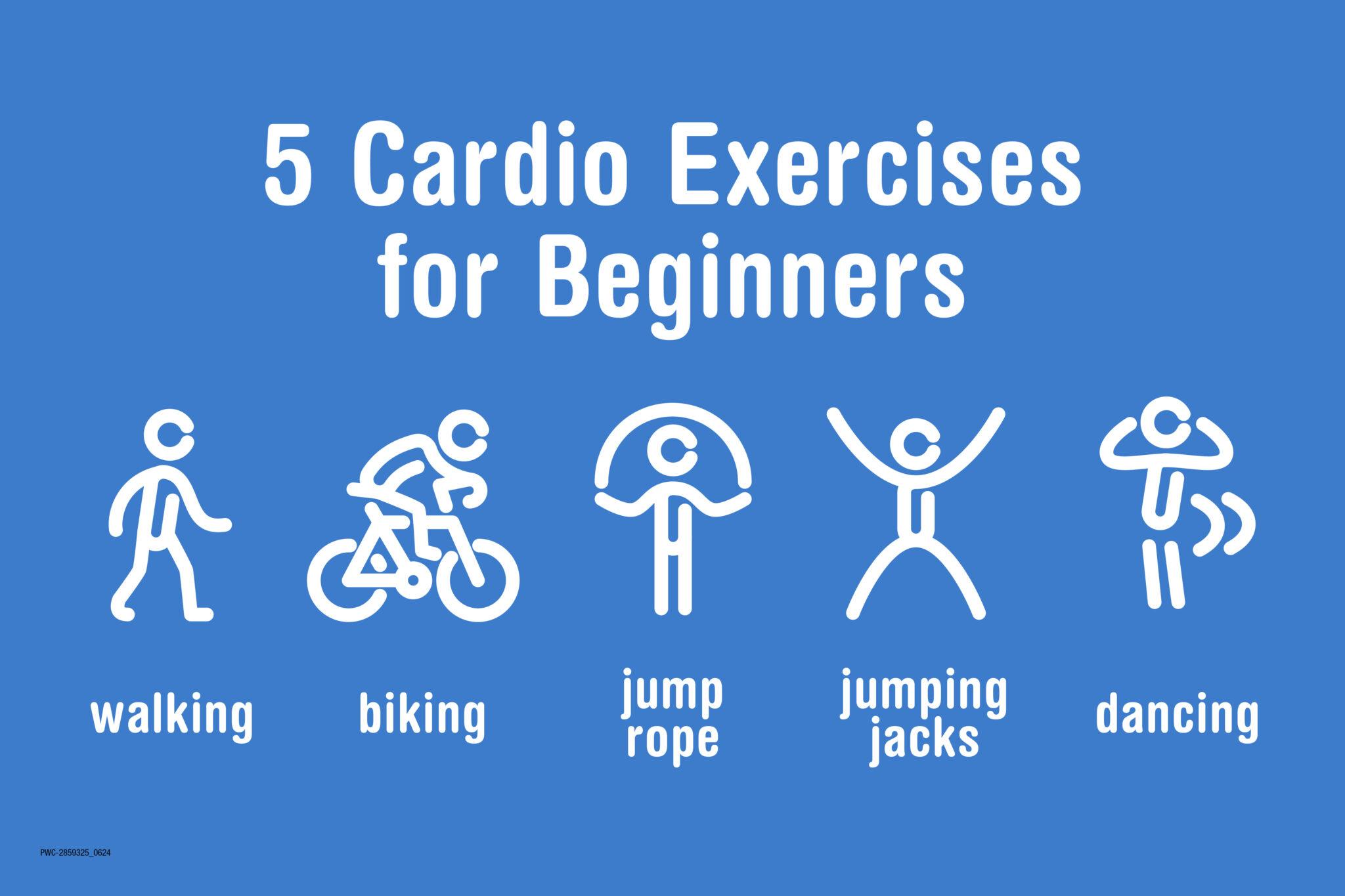
Embarking on a cardio journey is akin to setting out on an adventure. Imagine charting a course through uncharted territory, where each heartbeat echoes your determination and every drop of sweat marks a milestone. Just as a seasoned explorer relies on a reliable map, navigating the world of cardiovascular fitness requires strategic planning and unwavering commitment. Whether you are an aspiring runner, a cycling enthusiast, or simply someone looking to boost heart health, this article will guide you through essential strategies that promise to enhance your cardio experience and catalyze your progress. From setting achievable goals to embracing new techniques, let’s explore how you can effectively map out your cardio journey, transforming challenges into triumphs as you stride toward a healthier, more vibrant you.
Table of Contents
- Unveiling Your Baseline: Understanding Current Fitness Levels
- Designing a Personalized Cardio Plan: Tailoring Intensity and Duration
- Tracking Progress Effectively: Tools and Techniques for Success
- Staying Motivated: Strategies to Overcome Plateaus and Maintain Momentum
- Key Takeaways
Unveiling Your Baseline: Understanding Current Fitness Levels
Before embarking on your cardio journey, it’s essential to establish a solid understanding of your current fitness levels. Begin by conducting a fitness assessment, which will not only provide insight into your endurance but also help identify strengths and areas needing improvement. Here are some effective ways to evaluate your baseline:
- Heart Rate Recovery: Measure how quickly your heart rate returns to normal after a workout.
- Distance Testing: Assess how far you can run or walk in a set time (e.g., 12-minute run).
- Activity Log: Maintain a daily log of your physical activities, recording intensity and duration.
Once you’ve gathered this information, you can create a tailored fitness plan that targets your specific needs. Consider presenting your findings in a comparative table that tracks your progress over time, allowing you to visualize improvements:
| Assessment Type | Initial Value | Progress After 4 Weeks |
|---|---|---|
| 12-Minute Run Distance | 1.5 miles | 1.8 miles |
| Heart Rate Recovery (1 min) | 30 bpm | 24 bpm |
| Daily Activities Logged | 3 hours | 5 hours |
Designing a Personalized Cardio Plan: Tailoring Intensity and Duration
Creating a cardio routine that fits your unique lifestyle and fitness goals is essential for sustainable progress. Start by assessing your current fitness level; this can help you determine the right intensity and duration for your workouts. Consider incorporating a mix of the following elements into your plan:
- Duration: Aim for sessions between 20-60 minutes, depending on your experience and objectives.
- Intensity: Use the Rate of Perceived Exertion (RPE) scale to gauge how hard you’re working, aiming for a range of 5-7 for moderate workouts and 8-10 for more intense sessions.
- Frequency: Target at least 150 minutes of moderate aerobic activity or 75 minutes of vigorous activity each week.
To optimize your workouts, consider organizing your cardio plan in a structured table that visualizes your weekly progress. Here’s a simple example:
| Day | Type of Cardio | Duration (minutes) | Intensity Level |
|---|---|---|---|
| Monday | Running | 30 | 7 |
| Wednesday | Cycling | 45 | 6 |
| Friday | Swimming | 40 | 8 |
This personalized approach allows you to monitor your progress while keeping your workouts dynamic and enjoyable. Remember, flexibility is key; adjusting your plan based on how you feel and any changes in your goals will keep you engaged and motivated.
Tracking Progress Effectively: Tools and Techniques for Success
To effectively monitor your cardio progress, leveraging the right tools is essential. With today’s technology, you can easily track your heart rate, distance, and overall performance. Consider utilizing fitness apps such as MyFitnessPal, Strava, or MapMyRun. These applications provide invaluable insights into your workouts and can help set goals that keep you motivated. Additionally, you might want to invest in a fitness tracker or smart watch. These devices not only record your cardio stats but also analyze your heart rate variability and recovery times, giving you a comprehensive overview of your fitness journey.
Moreover, maintaining a workout journal can be a powerful technique for tracking progress. Within this journal, you can jot down your daily workouts, noting key metrics like duration, intensity, and even your mood before and after sessions. This reflective practice not only allows for seeing long-term trends but also serves as a motivational boost when you look back at how far you’ve come. To visualize your improvements, consider creating a simple table to record your achievements each week:
| Week | Distance (miles) | Duration (minutes) | Heart Rate (avg bpm) |
|---|---|---|---|
| 1 | 5 | 40 | 145 |
| 2 | 6 | 45 | 140 |
| 3 | 7 | 50 | 135 |
Staying Motivated: Strategies to Overcome Plateaus and Maintain Momentum
Plateaus can feel like the end of the road, but they are often just a sign that your body has adapted to your routine. To break through these barriers and keep your progress soaring, consider incorporating variety into your cardio workouts. This could mean switching up your training methods, such as alternating between running, cycling, and swimming. Additionally, challenge yourself with interval training, where you alternate between high-intensity bursts and recovery periods, to keep your body guessing and engaged.
Another effective way to maintain momentum is by setting small, achievable goals that lead to your larger objectives. Celebrate these victories, no matter how minor they may seem, as they can provide the boost you need to keep moving forward. Here are some strategies to stay inspired during challenging times:
- Track Your Progress: Use a journal or app to log your workouts and improvements.
- Find a Workout Buddy: Partnering with someone can inject fun into your routine.
- Join a Class: Engaging with a group can provide motivation and a sense of community.
Key Takeaways
mapping your cardio journey is more than just putting one foot in front of the other; it’s about purposefully charting your course towards personal growth and enhanced well-being. By setting clear goals, embracing a variety of activities, and consistently tracking your progress, you can transform what might seem like a daunting path into an exhilarating adventure. Remember, every heartbeat brings you closer to your destination, and each step—no matter how small—adds to the rhythm of your progress. As you navigate the winding roads of your fitness journey, stay curious and compassionate with yourself, knowing that the true victory lies in the commitment to keep moving forward. Here’s to your heart’s journey—may it be filled with discovery, resilience, and joy.