


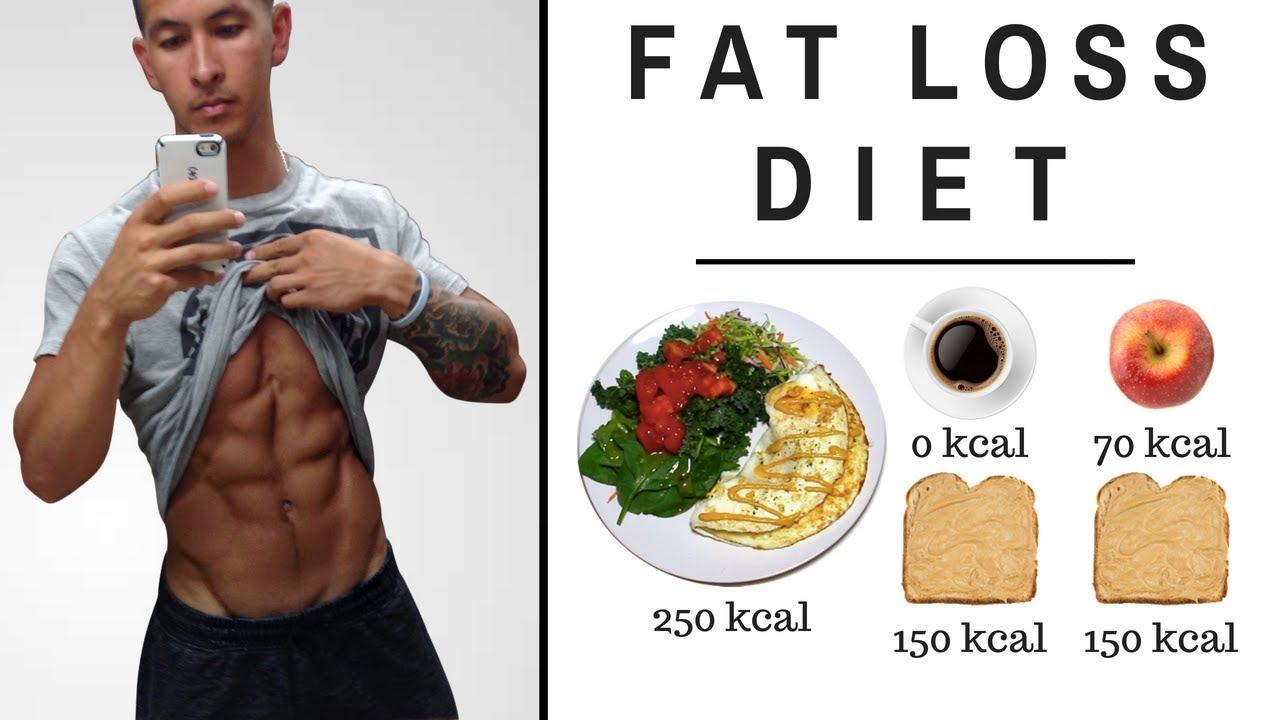
In a world brimming with diet fads and conflicting nutritional advice, the quest for effective fat loss can often feel like navigating a labyrinth without a map. Yet, at the heart of this journey lies a simple truth: mastering fat loss nutrition is less about restrictive diets and fleeting trends, and more about cultivating a balanced relationship with food. In this article, we invite you to embark on a transformative path toward healthier choices that not only support weight management but also enhance your overall well-being. By understanding the foundational principles of nutrition, embracing mindful eating, and making informed decisions, you can empower yourself to create sustainable habits that foster both physical health and emotional satisfaction. Join us as we unravel the essentials of fat loss nutrition, guiding you toward a life where nourishing your body becomes a joyful and fulfilling endeavor.
Table of Contents
- Understanding Macronutrients and Their Role in Fat Loss
- Crafting a Balanced Meal Plan to Support Your Goals
- Building Healthy Habits for Sustainable Weight Management
- Navigating Common Pitfalls in Fat Loss Nutrition Strategies
- In Retrospect
Understanding Macronutrients and Their Role in Fat Loss
Macronutrients are the building blocks of our diet, and understanding their roles is crucial for effective fat loss. They are divided into three primary categories: carbohydrates, proteins, and fats. Each of these macronutrients plays a unique role in the body, influencing energy levels, muscle repair, and fat storage. By manipulating the ratios of these nutrients in our meals, we can enhance our metabolism and promote fat loss. For instance, protein is critical for preserving muscle mass while in a caloric deficit, which in turn helps maintain a higher metabolic rate. On the other hand, healthy fats can promote satiety and support hormonal balance, making them an essential part of any fat loss strategy.
To effectively harness the power of macronutrients for fat loss, it’s important to recognize the ideal macronutrient composition that supports your goals. Consider the following guidelines to tailor your diet:
| Macronutrient | Role in Fat Loss |
|---|---|
| Carbohydrates | Provide energy for workouts and daily activities. |
| Protein | Aids in muscle repair and increases satiety. |
| Fats | Supports hormone production and drives satisfaction. |
Adjusting your intake of these macronutrients according to your needs can be a game-changer in your fat loss journey. Experimenting with different ratios can help you find what works best for your body, allowing you to eat satisfying foods without compromising your goals. Remember, balance is key; ensuring that your meals are composed of all three macronutrients can lead to sustained energy levels and better adherence to your nutrition plan.
Crafting a Balanced Meal Plan to Support Your Goals
Creating a balanced meal plan is essential to achieving your fat loss goals. Key components should include an appropriate ratio of macronutrients—proteins, carbohydrates, and fats—tailored specifically to your needs. Consider incorporating a variety of nutrient-dense foods that not only satisfy hunger but also align with your body’s requirements. Focus on high-quality protein sources like lean meats, legumes, and dairy, complemented by wholesome carbohydrates such as whole grains, fruits, and vegetables. Additionally, healthy fats from nuts, seeds, and avocados can help regulate appetite and support overall health.
To simplify your meal planning, create a weekly template that allows flexibility while ensuring you don’t miss essential nutrients. Below is an example of how to structure a balanced daily meal breakdown:
| Meal | Food Choices |
|---|---|
| Breakfast | Oatmeal topped with berries and a scoop of yogurt |
| Lunch | Grilled chicken salad with mixed greens and olive oil dressing |
| Snack | Apple slices with almond butter |
| Dinner | Baked salmon with quinoa and steamed broccoli |
Using a mix of these food types can help you stay fueled, satisfied, and motivated on your journey. Make sure to adjust portion sizes and ingredients according to your specific caloric and macronutrient needs. This tailored approach not only promotes fat loss but also enhances overall well-being.
Building Healthy Habits for Sustainable Weight Management
Incorporating healthy habits into your daily routine is essential for achieving long-lasting weight management success. Start by embracing a balanced diet that promotes a variety of food groups, ensuring you consume essential nutrients. Focus on incorporating whole foods and limiting processed items. Here are key practices to consider:
- Prioritize fruits and vegetables for vital vitamins and minerals.
- Include lean proteins like fish, chicken, or plant-based sources.
- Opt for whole grains instead of refined grains for sustained energy.
- Stay hydrated with water instead of sugary drinks.
Additionally, establishing a routine that integrates physical activity can significantly contribute to weight management. Choose activities you enjoy to make it easier to stay committed. As you cultivate these habits, remember that consistency is more impactful than perfection. Tracking your progress through journaling or using apps can provide motivation. Consider maintaining a table of habits to visualize your progress:
| Habit | Days Practiced | Notes |
|---|---|---|
| Daily Walks | 5 | Increased energy levels |
| Meal Prepping | 2 | Saved time and reduced cravings |
| Meditation | 3 | Improved focus and reduced stress |
Navigating Common Pitfalls in Fat Loss Nutrition Strategies
Successfully achieving fat loss goes beyond simply counting calories and tweaking macronutrient ratios. One of the most common missteps is underestimating the importance of nutrient density; many individuals focus solely on reducing caloric intake without considering the quality of the foods they consume. This can lead to a range of issues, such as nutrient deficiencies and lack of satiety. Incorporating a variety of whole foods rich in vitamins, minerals, and fiber can help maintain energy levels and curb cravings effectively. Consider including:
- Leafy greens for essential vitamins and minerals
- Lean proteins to support muscle retention
- Healthy fats for hormonal balance
- Whole grains for sustained energy
Another frequent challenge arises from the misconception that fat loss requires drastic, often unsustainable lifestyle changes. Many individuals adopt overly restrictive diets that are difficult to maintain long-term. This often results in yo-yo dieting, where weight is lost only to be regained, further complicating the journey to effective fat loss. Rather than aiming for perfection, focus on creating a balanced approach to nutrition that incorporates flexible eating patterns and allows for occasional indulgences. Below is a simple comparison of two approaches:
| Approach | Description |
|---|---|
| Restrictive Dieting | Eliminates food groups and is hard to maintain. |
| Balanced Nutrition | Includes a variety of foods and promotes flexibility. |
In Retrospect
mastering fat loss nutrition is not merely about counting calories or adhering to strict diets; it’s about cultivating a deeper understanding of your body and its needs. The journey toward healthier choices is paved with knowledge, intention, and the willingness to embrace change. By prioritizing whole foods, mindful eating, and balanced macronutrients, you empower yourself to make decisions that benefit your physical and mental well-being.
Remember, the path to sustainable weight loss is unique for everyone, and it’s essential to find what resonates with you. Every small step counts, and each choice made in favor of your health adds up over time. As you continue to explore and refine your approach to nutrition, keep the emphasis on progress rather than perfection.
With perseverance and patience, you can transform this knowledge into lifelong habits that not only facilitate fat loss but also enhance your overall quality of life. So, embark on this journey with confidence, and enjoy the process of discovering a healthier, happier you. The road may have its challenges, but every effort you make is a building block towards a future where balanced nutrition and well-being intertwine seamlessly. Here’s to your health, your choices, and your success!