


Introduction
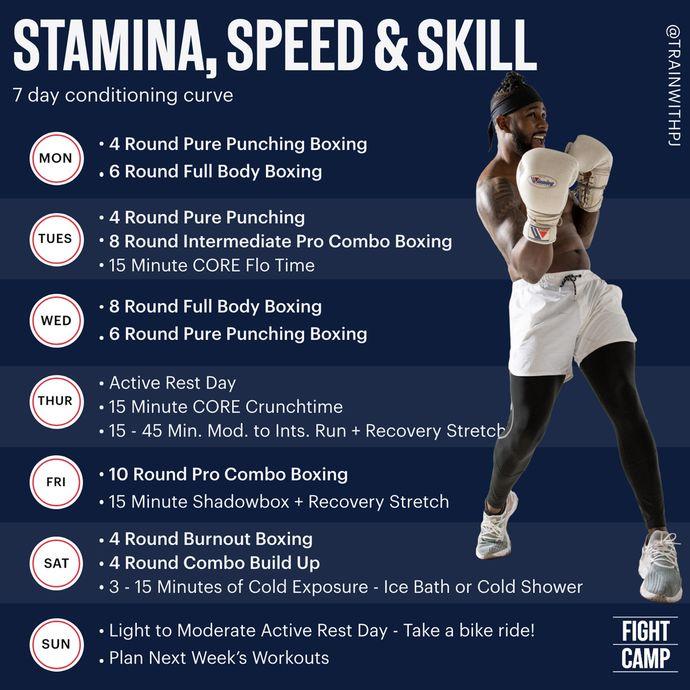
Boxing has evolved from a combat sport into a popular fitness regimen that appeals to a diverse range of individuals, regardless of their experience or fitness levels. This article aims to explore effective boxing workouts designed to accommodate beginners, intermediates, and seasoned athletes alike. As a dynamic and engaging form of exercise, boxing offers numerous cardiovascular, strength-building, and coordination benefits. Whether one is seeking to improve overall fitness, develop self-defense skills, or enhance mental toughness, understanding the various training techniques and workout structures is essential. By examining different approaches to boxing workouts, this article will provide insights and guidance for anyone looking to incorporate boxing into their fitness routine.
Table of Contents
- Understanding the Fundamentals of Boxing Workouts
- Tailoring Boxing Exercises for Beginners
- Intermediate Techniques to Enhance Boxing Skills
- Advanced Strategies for Competitive Boxing Training
- Insights and Conclusions
Understanding the Fundamentals of Boxing Workouts
To fully grasp the dynamics of boxing workouts, it’s essential to focus on specific elements that contribute to overall performance and fitness. Stamina training is a cornerstone, allowing boxers to maintain high energy levels throughout their bouts. Typically, this includes activities such as long-distance running and circuit training. Additionally, strength conditioning can enhance power in punches and improve muscular endurance. Incorporating exercises like squats, push-ups, and resistance training strengthens the core and major muscle groups, providing the necessary foundation for effective striking.
Another vital aspect is technical skill development, which emphasizes the importance of footwork, defensive maneuvers, and punch accuracy. Practicing on the heavy bag and speed bag while focusing on form and technique helps develop muscle memory. A balanced boxing workout should also incorporate flexibility and mobility exercises to prevent injuries and improve range of motion. Here’s a brief overview of the essential components of a well-rounded boxing workout:
| Component | Description |
|---|---|
| Stamina Training | Long-distance running and circuit workouts to build endurance. |
| Strength Conditioning | Exercises like squats and push-ups to enhance power and endurance. |
| Technical Skill Development | Practice punching techniques and footwork on bags. |
| Flexibility Exercises | Stretching routines to improve mobility and prevent injuries. |
Tailoring Boxing Exercises for Beginners
When beginning a boxing journey, it’s essential to focus on foundational exercises that build strength, coordination, and technique without overwhelming the body. Footwork drills are crucial in boxing, as they help beginners develop agility and balance. Incorporating practice with simple lateral and forward-backward movements can enhance mobility. Aerobic conditioning should also be prioritized; participants can engage in activities such as shadowboxing or skipping rope to improve cardiovascular endurance. These exercises allow newcomers to familiarize themselves with the rhythm of boxing while refining their defensive postures.
In addition to footwork and conditioning, skill-based drills tailored for beginners can significantly enhance competence in the ring. Punching techniques need to be introduced gradually, focusing on the three primary punches: the jab, cross, and hook. Practicing these fundamentals on a heavy bag or with a coach can help establish proper form and power. Furthermore, incorporating light sparring sessions enables individuals to put their skills into practice in a controlled environment. As progression continues, tailored training plans can include progression tables to identify key milestones and ensure consistent improvement.
| Exercise | Duration/Frequency | Purpose |
|---|---|---|
| Footwork Drills | 10 minutes daily | Improve agility & balance |
| Shadowboxing | 5 rounds of 2 minutes | Build rhythm & technique |
| Punching Technique | 15 minutes per session | Develop power & form |
| Light Sparring | Once a week | Apply skills in practice |
Intermediate Techniques to Enhance Boxing Skills
To elevate your boxing prowess beyond the basics, incorporating intermediate techniques can significantly refine your skills. Focusing on aspects such as footwork, head movement, and combination punches is crucial. Practicing these techniques regularly can help you become more agile and elusive in the ring. Here are some specific methods you can integrate into your training routine:
- Lateral Movement Drills: Work on moving side to side while maintaining a balanced stance. This will enhance your ability to evade punches and create better angles for your strikes.
- Slip Rope Work: Set up a rope or a light band at shoulder height and practice slipping under it to build your head movement and reflexes.
- Combination Punches:** Focus on delivering 3-5 punch combos with fluidity, emphasizing speed and precision rather than power.
Engaging in sparring sessions with varying intensity can also contribute to skill enhancement. By switching between controlled sparring and full-paced bouts, you can replicate real fight scenarios while practicing your defensive and offensive strategies. Below is a simple table showcasing different types of sparring sessions and their benefits:
| Sparring Type | Intensity Level | Benefits |
|---|---|---|
| Light Sparring | Low | Focus on technique and form |
| Controlled Sparring | Medium | Simulates fight conditions with restrictions |
| Full-Pace Sparring | High | Improves reaction time and endurance |
Advanced Strategies for Competitive Boxing Training
To elevate your boxing training to an elite level, incorporating advanced techniques is essential. These strategies aim to enhance both physical and mental aspects of performance, ensuring that you’re not just fit, but also strategically adept. Interval training is a cornerstone for competitive boxers, focusing on short bursts of intense effort followed by recovery periods. This method simulates actual fight conditions, pushing your cardiovascular limits while promoting improved stamina and recovery. Key elements of interval training include:
- High-Intensity Sparring: Engage in controlled bouts with varied intensity.
- Shadow Boxing with Resistance: Use bands or weights to increase resistance.
- Speed and Agility Drills: Implement ladder drills to enhance footwork and reflexes.
Additionally, understanding tactical approaches during training can significantly impact performance. Utilizing data and analytics to assess your skills helps identify areas of improvement, allowing for targeted workouts. Spreading your training focus across multiple disciplines fosters versatility. Consider incorporating the following components into your regimen:
| Focus Area | Activities |
|---|---|
| Cardiovascular Endurance | Long-distance runs, cycling |
| Strength Building | Weight training, plyometrics |
| Technical Skills | Pads work, technique drills |
| Recovery and Flexibility | Yoga, foam rolling |
Insights and Conclusions
boxing workouts offer a versatile and dynamic approach to fitness that can accommodate individuals across various fitness levels. By incorporating foundational techniques, strength training, and cardiovascular exercises, practitioners can tailor their routines to meet personal goals and abilities. Whether you are a beginner seeking an introduction to the fundamentals or an experienced athlete aiming to refine your skills, boxing provides an effective means to enhance strength, endurance, and overall health. As with any fitness regimen, it is essential to approach boxing with proper technique and safety considerations, and to consult with a qualified trainer to optimize your experience. Ultimately, by embracing the diverse nature of boxing workouts, individuals can enjoy an engaging and rewarding path to improved fitness.