


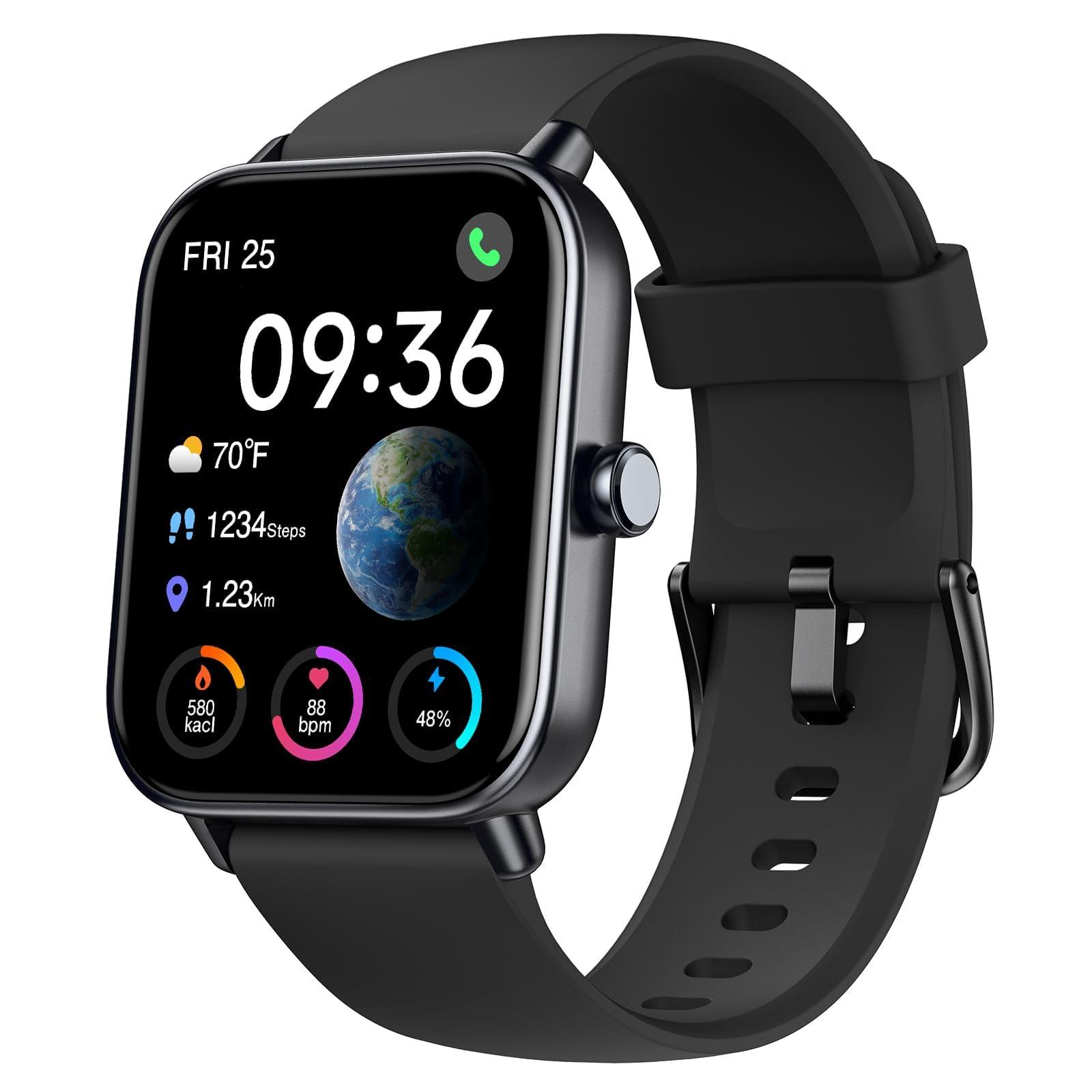
In today’s fast-paced world, maintaining a balanced diet can often feel like an uphill battle. With numerous dietary guidelines, meal plans, and nutrition apps vying for our attention, staying on track can be overwhelming. However, the advent of technology, particularly smartwatches, has revolutionized how we approach our nutrition. These wearable devices not only track our physical activity but are increasingly becoming crucial tools in monitoring our dietary habits as well. By providing real-time data and personalized insights, smartwatches can help users make informed decisions about their nutrition, ultimately enhancing their overall health and well-being. This article explores the pivotal role of smartwatches in nutrition management, highlighting features that can guide you toward a healthier lifestyle and offering practical tips on how to integrate these devices into your daily routine. Let’s dive in and discover how technology can be your ally in achieving your dietary goals.
Table of Contents
- Exploring the Nutritional Tracking Features of Smartwatches
- Integrating Smartwatch Data with Meal Planning Strategies
- Leveraging Activity Tracking to Optimize Nutrient Intake
- Setting Realistic Dietary Goals with Smartwatch Guidance
- Key Takeaways
Exploring the Nutritional Tracking Features of Smartwatches
Smartwatches have transformed the way individuals approach their dietary habits by integrating nutritional tracking features that promote healthier choices. These devices conveniently allow users to record their daily food intake, monitor their macronutrient distribution, and assess their calorie consumption. With the capability to scan barcodes and input meals using voice recognition, the process of logging food becomes seamless and encourages consistency. Users can benefit from real-time feedback, which not only helps in recognizing eating patterns but also facilitates informed decision-making about their nutritional choices.
Moreover, comprehensive analytics provided by smartwatches can aid individuals in setting personalized dietary goals. By syncing with dedicated health apps, users can visualize their progress over time and stay motivated. Key functions may include:
- Daily Calorie Goals: Set and track calories based on individual health targets.
- Nutrient Breakdown: Analyze the distribution of proteins, fats, and carbohydrates in diets.
- Hydration Reminders: Ensure adequate water intake throughout the day.
To illustrate the impact of these features on nutrition, the table below presents a simple comparison of daily nutrient goals and actual intake recorded from a typical user over a week:
| Day | Calories (Goal) | Calories (Consumed) | Protein (g) | Carbs (g) | Fats (g) |
|---|---|---|---|---|---|
| Monday | 2000 | 1850 | 80 | 250 | 60 |
| Tuesday | 2000 | 2100 | 100 | 300 | 70 |
| Wednesday | 2000 | 1900 | 90 | 220 | 65 |
Integrating Smartwatch Data with Meal Planning Strategies
Smartwatches have transformed the way we approach meal planning by seamlessly integrating various health metrics to create a holistic view of our dietary needs. By tracking key data points such as heart rate, caloric burn, and physical activity, these devices provide insights that can directly inform what we choose to eat. For instance, after an intense workout, your smartwatch can suggest higher protein meals to aid recovery, or after a day of inactivity, it might recommend lighter, nutrient-rich options to promote energy balance.
Moreover, leveraging smartwatch data in meal planning can enhance motivation through personalized feedback and goal setting. Consider the following strategies:
- Real-Time Alerts: Set reminders based on activity levels to eat at optimal times.
- Nutrition Tracking: Use smartwatch integrations with nutrition apps to log meals and monitor intake.
- Health Metrics Correlation: Adjust meal plans according to sleep patterns or stress levels detected by your device.
To visualize how smartwatch data can play a crucial role in your meal planning, here’s a simplified overview:
| Data Point | Recommended Meal Adjustment |
|---|---|
| High Activity Level | Increase complex carbs for energy replenishment |
| Low Sleep Quality | Incorporate magnesium-rich foods for better rest |
| High Stress Levels | Focus on omega-3 fatty acids for mood enhancement |
Leveraging Activity Tracking to Optimize Nutrient Intake
Smartwatches have evolved from simple fitness trackers to comprehensive health management tools, playing a crucial role in refining our dietary habits. By monitoring daily activity levels, users can gain insight into their energy expenditure and tailor their nutrient intake accordingly. For instance, when faced with days of high activity, a watch can prompt you to increase carbohydrates for energy replenishment, whereas on more sedentary days, it may suggest focusing on lighter meals with lower caloric density. This personalized approach enables individuals to maintain an optimal balance of nutrients, catering to their unique lifestyle needs.
To enhance nutrient tracking, many smartwatches come equipped with advanced applications that can sync with dietary databases, offering not just calorie counts but also micronutrient breakdowns. Users can benefit from:
- Real-time feedback: Monitor your intake against daily goals.
- Smart reminders: Receive alerts to remind you to hydrate or eat.
- Food logging: Swiftly input meals through voice or image recognition.
This capability allows you to see correlations between your physical activity and dietary choices, empowering you to make informed decisions about what to eat, when to eat, and how to energize your body effectively. The integration of activity data with dietary habits turns the smartwatch from a mere accessory into a vital partner in achieving your nutritional objectives.
Setting Realistic Dietary Goals with Smartwatch Guidance
Integrating smartwatch technology into your dietary goals can transform the way you approach nutrition. These devices empower users to monitor their food intake, track nutrients, and stay accountable to their goals. To set realistic dietary aspirations, consider leveraging features such as:
- Caloric Tracking: Smartwatches can help you log your meals and calculate your daily caloric needs, making it easier to see where you stand.
- Macro and Micronutrient Goals: With customizable settings, you can differentiate between carbs, proteins, fats, and essential vitamins and minerals.
- Hydration Reminders: Staying hydrated is crucial for overall health—smartwatches can remind you to drink water throughout the day.
When setting dietary goals, it’s essential to be specific and progressive. Aim for achievable milestones rather than overwhelming yourself with drastic changes. For instance, consider a weekly target for different nutritional aspects:
| Week | Goal | Action Steps |
|---|---|---|
| 1 | Increase vegetable intake | Incorporate one additional serving of vegetables daily |
| 2 | Reduce sugary snacks | Limit to two servings of sweets per week |
| 3 | Drink more water | Set a daily water goal and track with your smartwatch |
Key Takeaways
the integration of smartwatches into our daily routines offers a powerful opportunity to enhance our dietary habits and overall nutritional well-being. These devices go beyond mere fitness tracking; they serve as personalized guides, helping us make informed decisions about our food choices, track our intake more accurately, and stay accountable to our health goals. By harnessing the capabilities of these wearable technologies, we can cultivate a deeper understanding of our nutritional needs, leading to better choices and, ultimately, improved health outcomes. As we continue to embrace technology in our lives, let smartwatches empower us on our journey toward a more balanced and mindful approach to nutrition. After all, in a world overflowing with information, having a smart assistant on your wrist can make all the difference in achieving a healthier lifestyle.