


In a world increasingly defined by convenience and sedentary pursuits, the pursuit of an energetic and well-balanced life can feel like a daunting challenge. Enter functional fitness—a holistic approach that transcends the confines of traditional workouts to empower individuals in their everyday activities. At its core, functional fitness reimagines exercise as a means to enhance not only physical strength but also overall well-being, equipping us to tackle life’s demands with vigor and confidence. In this article, we will explore the transformative power of functional fitness, uncovering how it can elevate your daily life, improve your mobility, and foster a deeper connection between body and mind. Join us on this journey to discover sustainable practices that resonate with your lifestyle, ultimately leading to a more vibrant and active existence.
Table of Contents
- Unlocking the Benefits of Functional Fitness in Your Everyday Routine
- Transformative Exercises for Strength and Mobility
- Creating a Sustainable Functional Fitness Routine at Home
- Mindfulness and Movement: The Connection Between Mental Health and Functional Training
- Concluding Remarks
Unlocking the Benefits of Functional Fitness in Your Everyday Routine
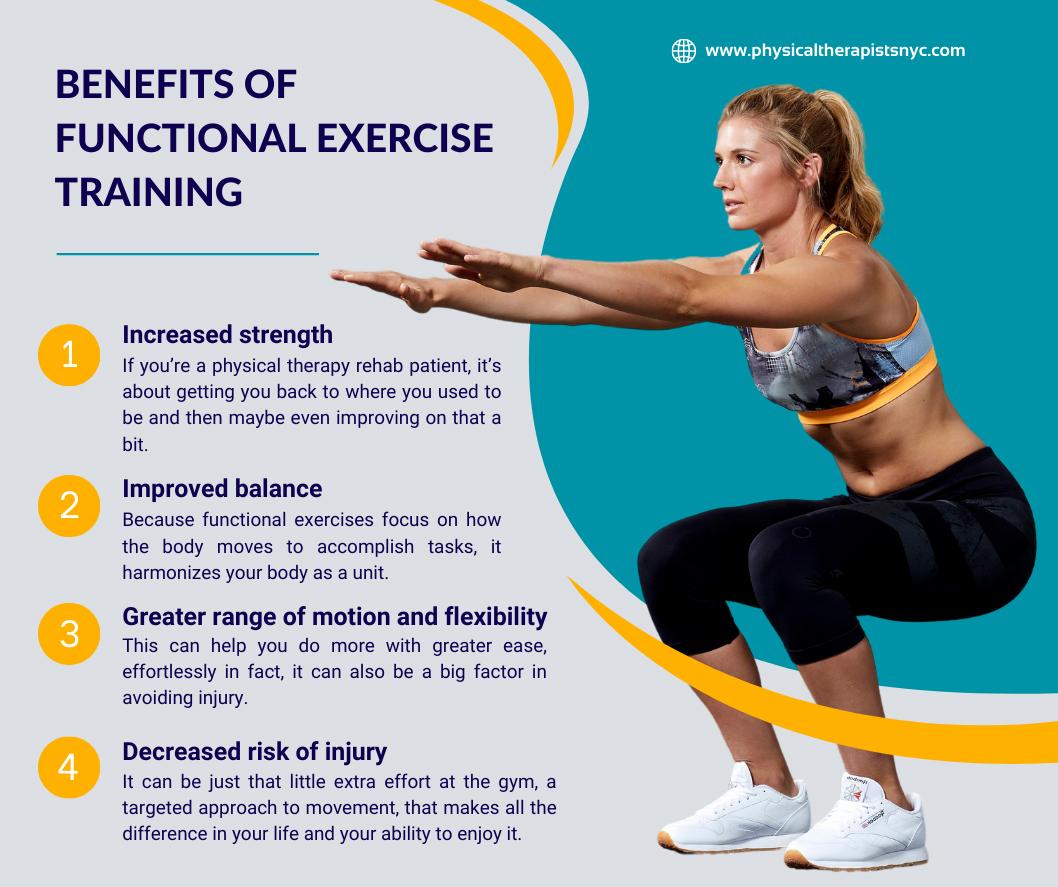
Integrating functional fitness into your routine can transform mundane tasks into dynamic opportunities for movement. This approach emphasizes exercises that mimic daily activities, ensuring not only strength but also stability and agility. By focusing on compound movements, you develop a well-rounded physique that can handle the rigors of life. Some key benefits include:
- Enhanced balance and coordination
- Improved posture and core strength
- Reduced risk of injury
- Greater overall flexibility
Moreover, functional fitness isn’t limited to gym settings; it seamlessly integrates into your lifestyle. Whether lifting groceries, playing with children, or simply climbing stairs, you’ll find your body engaged and responding more effectively. Consider these routines that can effortlessly blend into your day:
| Activity | Functional Exercise |
|---|---|
| Lifting groceries | Deadlifts |
| Playing with kids | Squats and lunges |
| Climbing stairs | Step-ups |
By incorporating these exercises into your daily regimen, you’ll experience a noticeable enhancement in your overall quality of life, redefining what it means to be fit and functional.
Transformative Exercises for Strength and Mobility
To truly harness the benefits of functional fitness, incorporating transformative exercises aimed at enhancing both strength and mobility is essential. These exercises mimic everyday movements, thereby improving your ability to perform daily tasks with ease and confidence. Focus on movements that promote stability, flexibility, and range of motion, such as:
- Squats: Build lower body strength while improving joint flexibility.
- Lunges: Engage multiple muscle groups, boosting balance and coordination.
- Push-ups: Strengthen the upper body and core, enhancing posture and endurance.
- Deadlifts: Promote hip mobility and functional strength, perfect for lifting heavy objects.
- Planks: Develop core stability, crucial for body alignment in various activities.
The integration of dynamic stretches into your routine can further enhance your functional fitness journey. Consider incorporating the following movements to promote mobility and flexibility:
| Dynamic Stretch | Benefits |
|---|---|
| Arm Circles | Increase shoulder mobility, prepare for upper body workouts. |
| Leg Swings | Enhance hip flexibility and strengthen leg muscles. |
| Torso Twists | Promote spinal flexibility and improve rotational strength. |
| High Knees | Boost cardiovascular fitness while increasing hip and knee mobility. |
Creating a Sustainable Functional Fitness Routine at Home
Embracing a functional fitness routine at home not only enhances your physical well-being but also cultivates a deeper connection with your daily movements. To kickstart your journey, consider incorporating exercises that mimic everyday activities. This helps improve strength, balance, and coordination, making tasks like climbing stairs or carrying groceries feel more effortless. Some effective exercises include:
- Bodyweight Squats: Perfect for developing leg strength.
- Push-Ups: Excellent for upper body and core strength.
- Lunges: Great for stability and mobility.
- Plank Variations: Strengthen your core for better posture.
To keep your routine fresh and engaging, focus on creating sessions that vary in intensity and duration. Consider using household items as makeshift weights, such as filled water bottles or backpacks, to add resistance without the need for expensive equipment. Establish a schedule that works for you, whether it’s a quick 20-minute session or an engaging hour-long workout. Remember, consistency is key, and even short bursts of activity can lead to significant improvements over time. Utilize a simple tracking table to monitor your progress:
| Exercise | Duration (minutes) | Repetitions |
|---|---|---|
| Bodyweight Squats | 10 | 3 sets of 15 |
| Push-Ups | 5 | 3 sets of 10 |
| Lunges | 5 | 3 sets of 12 |
| Plank | 5 | 3 sets of 30 seconds |
Mindfulness and Movement: The Connection Between Mental Health and Functional Training
Engaging in functional training goes beyond just building physical strength; it creates a holistic approach that nurtures mental well-being. This practice encourages mindfulness through intentional movements that connect body and mind. As individuals focus on their movements, they become more present in the moment, reducing feelings of anxiety and stress. By enhancing body awareness, functional training helps individuals recognize and release tension, fostering a sense of calm and centeredness. This mindful engagement can lead to improved mood and resilience in the face of daily challenges, amplifying the overall benefits of physical activity.
Incorporating mindfulness into your workout routine can transform your relationship with fitness. Consider these practices to deepen your connection between mental health and movement:
- Breath Control: Incorporate deep breathing during exercises to enhance focus.
- Body Scanning: Pay attention to how each part of your body feels during movement to improve form and reduce injury.
- Set Intentions: Before starting your training session, set a positive intention to bring mindfulness to your practice.
- Reflect: Spend a few minutes after training to reflect on your feelings and mental state during the workout.
By intertwining mindfulness with functional training, individuals can experience transformative effects on their emotional and mental health. The integration of movement and mindfulness not only cultivates physical fitness but also empowers individuals to navigate their daily lives with greater clarity and purpose.
Concluding Remarks
As we wrap up our exploration of functional fitness, it becomes clear that the journey towards elevating your daily life is not just about lifting weights or mastering specific exercises; it’s about cultivating a holistic approach that integrates movement into the fabric of our everyday routines. By embracing functional fitness, we empower ourselves to navigate life’s challenges with strength, agility, and resilience.
Imagine climbing stairs with ease, bending down to tie your shoes without a second thought, or playing with your children or grandchildren without feeling fatigued. These little victories are the true benchmarks of a fit and functional lifestyle. So, as you step away from this article, consider how you can weave functional movements into your day, turning ordinary tasks into opportunities for growth and vitality.
Remember, functional fitness is more than a trend; it’s a transformative philosophy that invites you to redefine what it means to be active and engaged in your own life. Start small, stay consistent, and watch as your daily interactions with the world around you become enriched and invigorated. The power to elevate your daily life lies within you—unlock it through functional fitness.