


In a world saturated with diet trends and fitness fads, the quest for effective body transformation often feels like navigating a labyrinth of conflicting information. Amidst the noise, one approach has emerged from the shadows to capture the attention of health enthusiasts and skeptics alike: intermittent fasting. Far from a mere dieting scheme, this practice transcends the confines of calorie counting and restrictive eating, inviting individuals to explore a more holistic relationship with food and their bodies. As we delve into the principles, benefits, and potential challenges of intermittent fasting, we aim to unlock the secrets behind its transformative power. Join us as we embark on a journey towards understanding how this age-old practice can be a key to not only reshaping our bodies but also revitalizing our minds and spirits. Whether you are a seasoned practitioner or a curious newcomer, the possibilities for change await as we uncover the layers of intermittent fasting and its promise for a healthier tomorrow.
Table of Contents
- Exploring the Science Behind Intermittent Fasting and Its Impact on Metabolism
- Designing Your Intermittent Fasting Schedule: Finding a Rhythm That Works for You
- Nourishing Your Body: Essential Nutrients for Optimal Results During Fasting
- Overcoming Challenges: Tips for Successfully Adopting Intermittent Fasting in Daily Life
- Future Outlook
Exploring the Science Behind Intermittent Fasting and Its Impact on Metabolism
Intermittent fasting is more than just a trend; it’s a profound exploration of how our bodies can adapt to varying patterns of food intake. By alternating between periods of eating and fasting, the body undergoes a metabolic shift that can optimize health and enhance fat loss. During fasting phases, insulin levels drop, which facilitates fat burning and encourages the body to utilize its fat stores for energy. Some key mechanisms include:
- Increased Hormone Secretion: Fasting triggers a rise in norepinephrine and growth hormone, both of which aid in the mobilization of fat for energy.
- Cellular Repair Processes: During fasting, autophagy, the body’s way of cleaning out damaged cells, becomes more active, potentially leading to improved cellular function.
- Improved Insulin Sensitivity: Regular fasting can enhance how the body responds to insulin, lowering the risk of type 2 diabetes.
This metabolic adaptability not only supports weight management but also plays a critical role in longevity and overall health. Studies have shown that intermittent fasting can reduce oxidative stress and inflammation, both of which are linked to various chronic diseases. Key benefits include:
- Enhanced Brain Function: Fasting promotes the production of brain-derived neurotrophic factor (BDNF), which supports cognitive health.
- Potential Cancer Protection: Some research indicates that fasting can inhibit tumor growth by limiting glucose availability for cancer cells.
- Heart Health: Fasting can improve several risk factors for heart disease, including cholesterol levels and blood pressure.
Designing Your Intermittent Fasting Schedule: Finding a Rhythm That Works for You
Creating a personalized intermittent fasting schedule can significantly enhance your journey toward body transformation. The key is to integrate a rhythm that aligns with your daily lifestyle, ensuring sustainability and effectiveness. Start by considering your natural habits, preferences, and commitments. Here are a few essential factors to think about:
- Daily Schedule: Reflect on your work hours, family obligations, and social life. Choose a fasting window that doesn’t clash with major events, allowing you to enjoy meals without stress.
- Hunger Patterns: Pay attention to when you typically feel hungry. This observation can inform your eating and fasting windows, helping to maximize your comfort and adherence.
- Nutrition Quality: Prioritize nourishing meals during your eating periods. Planning your meals ahead not only sustains energy levels but also improves the quality of your fast.
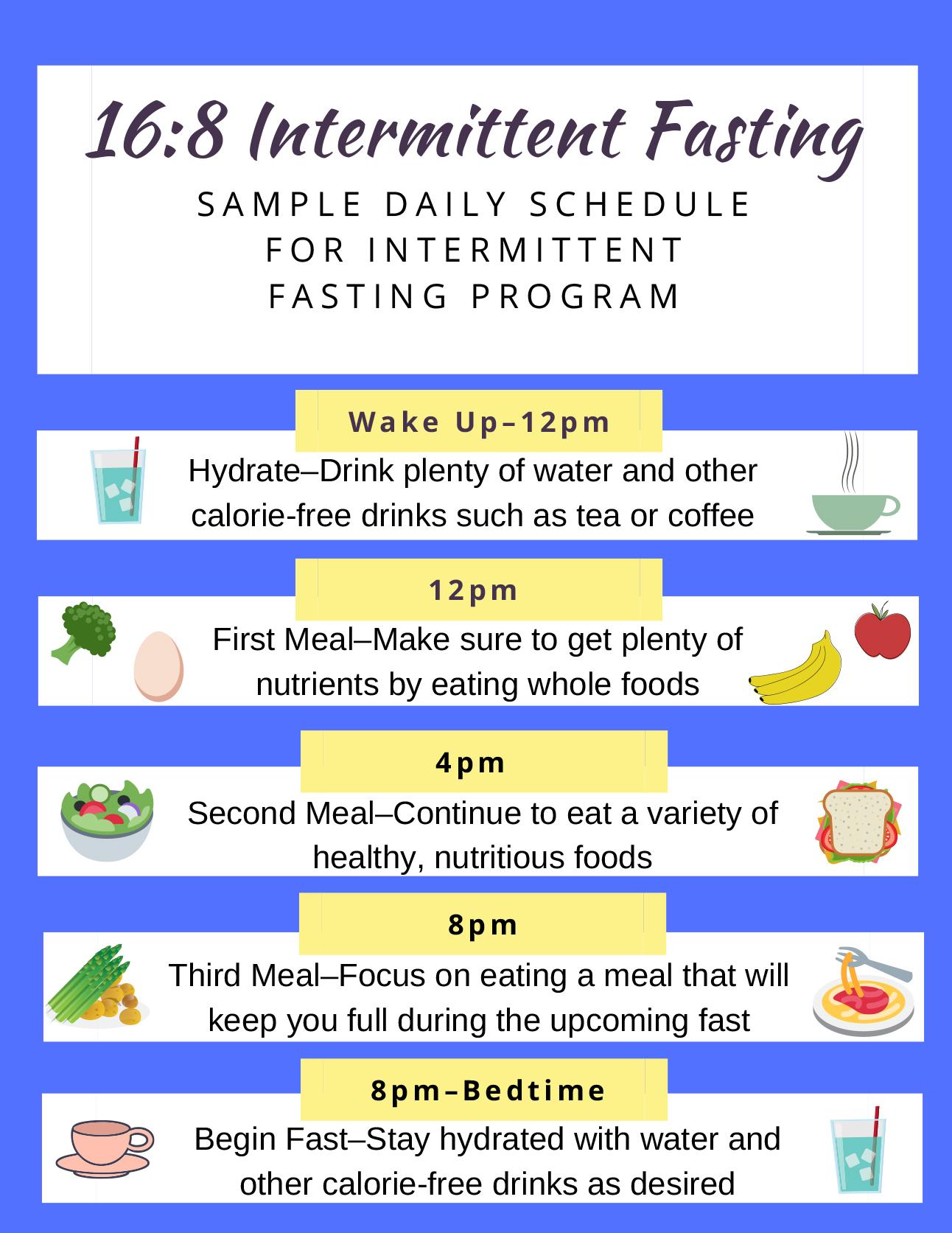
Various intermittent fasting methods can serve as a framework for your schedule. For example, the popular 16/8 method involves fasting for 16 hours and eating during an 8-hour window. Below is a simple table outlining different approaches:
| Method | Fasting Window | Eating Window |
|---|---|---|
| 16/8 | 16 hours | 8 hours |
| 5:2 | 2 days fasting (calories restricted) | 5 days normal eating |
| Alternate Day | 24 hours | Every alternate day |
Experiment with these frameworks and adjust according to what feels right for you. Whichever method you choose, consistency is vital for achieving long-term success in your body transformation endeavors.
Nourishing Your Body: Essential Nutrients for Optimal Results During Fasting
Nourishing your body while engaging in intermittent fasting is vital for maximizing the benefits of this transformative practice. As your body enters the fasting state, it becomes essential to prioritize essential nutrients that support cellular repair, fat oxidation, and overall health. Focus on whole foods that are nutrient-dense and rich in beneficial compounds. Consider incorporating these key nutrients into your eating window:
- Proteins: Amino acids are crucial for muscle repair and growth. Include sources such as chicken, fish, eggs, and plant-based options like legumes and quinoa.
- Healthy Fats: Avocados, nuts, and olive oil enhance satiety and provide energy. They also support hormone production, which can be beneficial during fasting.
- Fiber: Essential for digestive health, fiber-rich foods like vegetables, fruits, and whole grains keep you feeling full and satisfied.
- Vitamins and Minerals: Focus on a colorful array of fruits and vegetables to ensure you get a wide spectrum of nutrients, including vitamins A, C, K, and minerals like magnesium and potassium.
In addition to these nutrients, hydration plays a pivotal role during fasting. Ensuring that you drink enough water can improve metabolic activity and cognition. Herbal teas and electrolyte-rich beverages, such as coconut water, can also be excellent choices to help maintain electrolyte balance. To illustrate proper nutrient distribution during your eating window, here’s a simple table that showcases a balanced approach:
| Food Group | Example Foods | Benefits |
|---|---|---|
| Proteins | Chicken, Salmon, Lentils | Muscle repair and appetite control |
| Healthy Fats | Avocados, Almonds, Olive Oil | Sustained energy and hormone support |
| Fibers | Broccoli, Chia Seeds, Oats | Digestive health and satiety |
Overcoming Challenges: Tips for Successfully Adopting Intermittent Fasting in Daily Life
Adopting intermittent fasting can initially feel overwhelming, but with the right strategies, you can navigate these hurdles smoothly. Start by choosing the right fasting window that aligns with your lifestyle, whether it’s a 16/8 method or a 5:2 approach. It’s also crucial to stay hydrated throughout your fasting hours—water, herbal teas, and black coffee can help you stave off hunger. Consider tracking your progress and feelings in a journal; this can keep you motivated and help identify patterns that work best for you. Other helpful practices include setting reminders for your eating window and preparing meals ahead of time to avoid any impulsive decisions during your fasting period.
Another effective way to ease into intermittent fasting is to find a support system. Sharing your experience with friends or joining online communities can provide encouragement and accountability. You can also benefit from educating yourself about the principles and benefits of fasting, as understanding the “why” can strengthen your resolve. Below is a simple table illustrating potential snacks to enjoy during your eating windows that are nutritious and satisfying:
| Snack | Benefits |
|---|---|
| Greek Yogurt | High in protein and aids digestion |
| Raw Nuts | Rich in healthy fats and keep you full |
| Sliced Veggies with Hummus | Low-calorie and packed with nutrients |
Future Outlook
As we draw the curtains on our exploration of intermittent fasting, it’s clear that this approach is more than just a regimen; it’s a transformative journey. By unlocking the potential of time-restricted eating, we give ourselves permission to pause, reflect, and reshape our relationship with food and our bodies. The anecdotes of renewed energy, enhanced focus, and even emotional clarity from those who have embraced this lifestyle are a testament to its far-reaching benefits.
Yet, as with any journey, it’s essential to personalize your approach. What works for one may not suit another, so patience and self-discovery are crucial companions on this path. Remember, the goal isn’t merely to conform to a trend but to unlock a sustainable lifestyle that fosters well-being and balance.
So, as you stand at the threshold of this possibility, take a moment to consider your motivations and set your intentions. Whether you seek to shed pounds, boost your health, or cultivate a deeper understanding of your body’s needs, intermittent fasting might just be the key. Embrace the rhythm, listen to your body, and watch as it begins to flourish in ways you never thought possible. Your transformation awaits—one meal, one fasting window, one mindful moment at a time.