


In a world increasingly dominated by screens and sedentary lifestyles, the pursuit of well-being often becomes an afterthought, overshadowed by the relentless pace of daily demands. Yet, at the heart of a fulfilling life lies a timeless truth: physical fitness is not just a pursuit of muscle and stamina, but a cornerstone of holistic health. “” seeks to explore the profound connection between movement and mental, emotional, and social wellness. By understanding how our physical state intertwines with our overall vitality, we can begin to unlock the door to a more vibrant existence. Join us on this journey as we delve into the transformative power of fitness, illuminating the pathways that lead not only to stronger bodies but also to richer lives.
Table of Contents
- Exploring the Connection Between Physical Fitness and Mental Health
- Creating a Sustainable Fitness Routine for Long-Term Wellness
- The Impact of Nutrition on Physical Performance and Overall Well-Being
- Incorporating Mindfulness into Your Fitness Journey for Enhanced Resilience
- The Conclusion
Exploring the Connection Between Physical Fitness and Mental Health
Engaging in regular physical activity has profound effects on mental well-being, establishing a positive feedback loop that benefits both mind and body. Exercise stimulates the production of endorphins, often referred to as the body’s natural mood lifters. As a result, individuals who partake in consistent physical activity often report increased levels of happiness and reduced feelings of anxiety and depression. The act of moving one’s body also serves as a productive outlet for stress, allowing individuals to escape from daily pressures and recharge mentally. In fact, numerous studies suggest that those who engage in a variety of physical activities can experience an enhanced sense of achievement and self-esteem, further solidifying the bond between fitness and mental health.
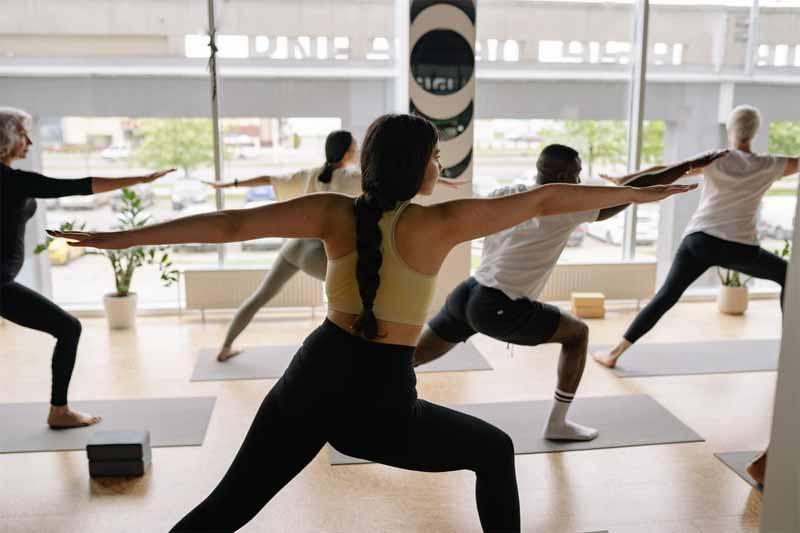
Moreover, the type of physical activity chosen can significantly impact mental health outcomes. Activities that require focus and concentration, such as yoga or tai chi, not only improve physical strength but also enhance mental clarity and emotional resilience. Meanwhile, team sports and group exercises foster social interactions, helping to combat feelings of isolation and loneliness. Here are a few noteworthy benefits of specific types of physical activity:
- Aerobic Exercise: Increases feelings of vigor and reduces fatigue.
- Strength Training: Boosts self-esteem and body image.
- Mind-Body Practices: Improves emotional regulation and mindfulness.
- Outdoor Activities: Connects individuals to nature, promoting relaxation.
Creating a Sustainable Fitness Routine for Long-Term Wellness
Establishing a sustainable fitness routine is integral to achieving long-lasting wellness. It begins with setting realistic goals that motivate and inspire you to stay active. Consider incorporating a mix of cardiovascular, strength, flexibility, and balance exercises to create a well-rounded program. By focusing on enjoyment, rather than obligation, you’ll naturally develop a habit that fits seamlessly into your lifestyle. Engage in activities that bring you joy, whether it’s dancing, hiking, or participating in a group sport, as this will make it easier to commit to your routine.
To maintain consistency, plan your workouts like any important appointment. Here are some tips for creating a sustainable routine:
- Schedule Regular Sessions: Allocate specific days and times each week for physical activity.
- Start Small: Begin with short, manageable workouts, gradually increasing intensity and duration.
- Listen to Your Body: Pay attention to how you feel and adjust your activities to avoid burnout or injury.
- Incorporate Recovery: Allow time for rest and recovery to maintain motivation and prevent fatigue.
| Fitness Component | Suggested Activities |
|---|---|
| Cardiovascular | Running, Cycling, Swimming |
| Strength | Weightlifting, Bodyweight Exercises |
| Flexibility | Yoga, Pilates |
| Balance | Tai Chi, Balance Drills |
The Impact of Nutrition on Physical Performance and Overall Well-Being
The intricate relationship between what we eat and how our bodies perform is undeniable. Proper nutrition fuels our physical activities, enhances endurance, and supports muscle recovery. Consuming a balanced diet rich in essential nutrients allows athletes and everyday individuals alike to push their limits. Key elements of a performance-boosting diet include:
- Complex Carbohydrates: These are vital for sustained energy during workouts.
- Proteins: Essential for muscle repair and growth, helping to replenish what is lost during exertion.
- Healthy Fats: They provide long-lasting energy and support cellular function.
- Vitamins and Minerals: These play critical roles in metabolism, immunity, and overall health.
Moreover, nutrition is not just about raw physical performance; it significantly influences mental well-being. A well-nourished body contributes to improved focus, mood stability, and cognitive function, which can be particularly beneficial during intense training sessions or competitions. Hydration also plays a crucial role, as even mild dehydration can hinder performance and lead to fatigue. The table below summarizes the impact of key nutritional elements on both physical performance and mental health:
| Nutritional Element | Impact on Physical Performance | Impact on Mental Well-Being |
|---|---|---|
| Complex Carbohydrates | Boosts endurance and energy levels | Helps maintain cognitive function |
| Proteins | Supports muscle recovery and growth | Improves mood through neurotransmitter regulation |
| Healthy Fats | Provides sustained energy for lengthy activities | Enhances brain health and function |
| Vitamins and Minerals | Supports optimal metabolism and recovery | Boosts mental clarity and reduces fatigue |
Incorporating Mindfulness into Your Fitness Journey for Enhanced Resilience
Integrating mindfulness into your fitness routine can transform not only how you exercise but also how you perceive challenge and change in your life. By embracing the present moment, you enhance your connection to your body, making workouts more intentional and focused. This practice allows you to tune into *your physical sensations, thoughts,* and *emotions*, creating a deeper level of engagement. Consider these mindful strategies to enrich your fitness efforts:
- Breath Awareness: Focus on your breathing as you exercise. Notice how each inhale fuels your movements and how every exhale helps release tension.
- Body Scan: Take a moment during workouts to scan your body, paying attention to any areas of tightness or discomfort, encouraging a response of compassion and care.
- Set Intentions: Before starting a workout, establish a clear intention that aligns with your personal goals, reinforcing mental resilience.
By cultivating mindfulness, you build emotional and physical resilience that supports your overall fitness journey. You become more adept at handling stressors, setbacks, and obstacles that naturally arise. Tracking progress isn’t solely measured by physical outcomes, but also through the enriched mental landscape you create. To illustrate this connection between fitness and mindfulness, consider the following table:
| Mindfulness Practice | Benefit to Fitness Journey |
|---|---|
| Mindful Stretching | Improved flexibility and reduced injury risk |
| Focused Workouts | Enhanced performance through mental clarity |
| Gratitude Reflection | Increased motivation and positivity towards goals |
The Conclusion
As we draw the curtains on this exploration of physical fitness and its profound impact on our well-being, it becomes increasingly clear that movement is not just an action but a vital key to a healthier, more fulfilling life. Embracing physical fitness paves the way for a harmonious relationship between body and mind, unlocking reservoirs of energy, clarity, and resilience.
In a world where stress and sedentary lifestyles often overshadow our well-being, rediscovering the joy of physical activity can serve as a powerful antidote. Whether through a brisk walk in nature, a dance class that lifts your spirit, or mindful stretching at dawn, each motion is a step toward reclaiming your vitality.
As you embark on or continue your journey toward enhanced well-being, remember that fitness is not merely about meeting goals or achieving perfection. It is, at its core, a celebration of what your body can do and how it connects with your mental and emotional states. Each small effort contributes to a larger tapestry of health, weaving together strength, endurance, and a profound sense of peace.
So, let us dare to embrace movement, seek balance, and unlock the vibrant life that awaits us. The path to well-being is not a destination, but a lifelong journey—one that is uniquely yours to navigate. Make each step count.