


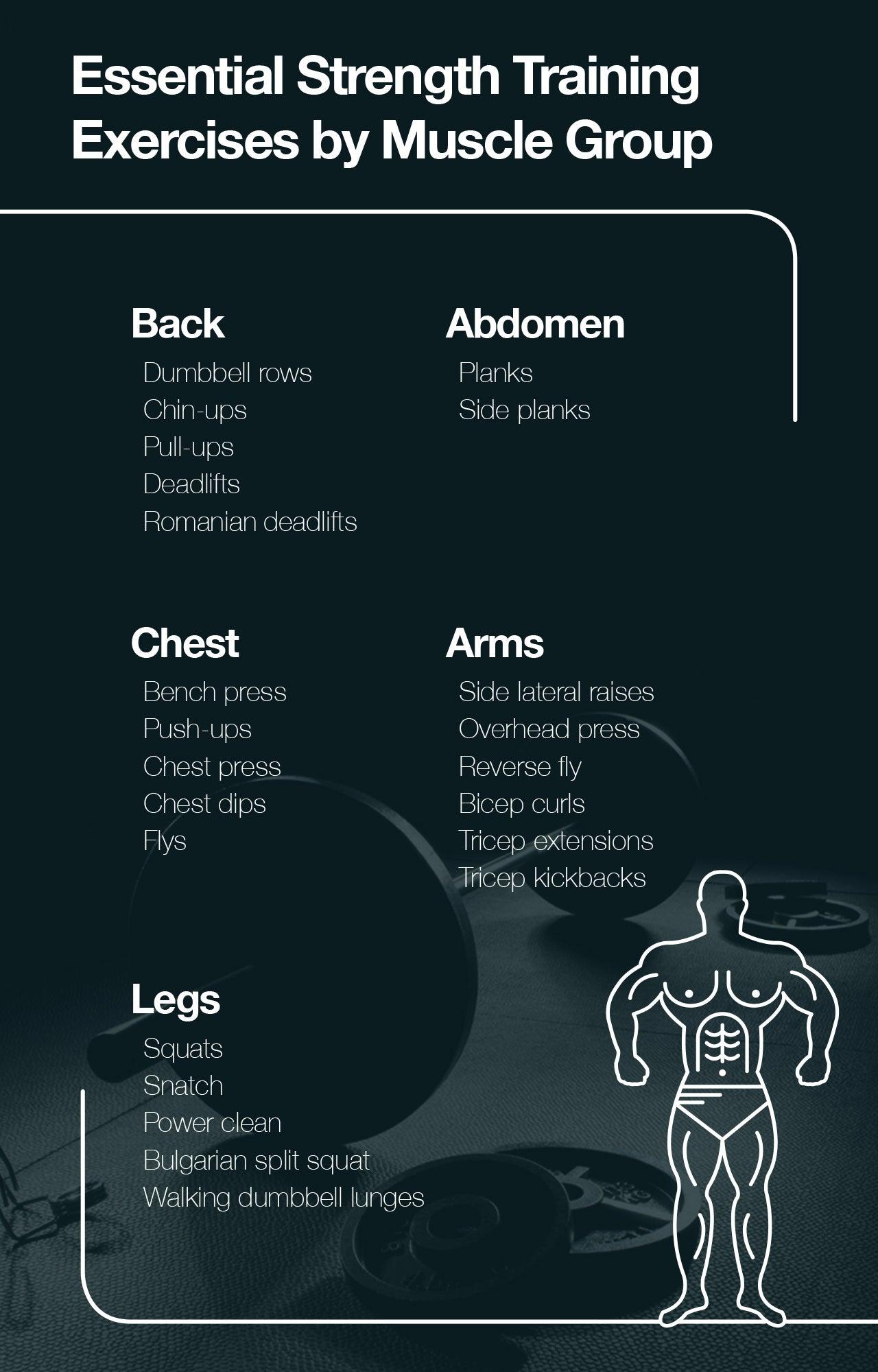
Embarking on a strength training journey is akin to sculpting a masterpiece—every rep, every set, adding depth and dimension to your physique. Whether you’re a seasoned athlete looking to redefine your limits or a beginner eager to discover the transformative power of strength training, setting effective goals is the cornerstone of success. It’s not merely about lifting weights; it’s about cultivating a mindset, fostering resilience, and embracing the process of improvement. In this article, we’ll explore actionable strategies for setting clear, achievable strength training goals that align with your aspirations. Get ready to unlock your potential, refine your focus, and embark on a path that not only transforms your body but also empowers your spirit. Your journey to strength starts here.
Table of Contents
- Understanding Your Why: The Foundation of Strength Training Goals
- SMART Goal Setting: Crafting Achievable Milestones
- Tracking Progress: Tools and Techniques for Success
- Staying Motivated: Building a Sustainable Mindset for Long-Term Gains
- Final Thoughts
Understanding Your Why: The Foundation of Strength Training Goals
Every successful strength training journey begins with a clear understanding of personal motivations. Knowing your ‘why’ can significantly enhance your commitment and drive during the inevitable ups and downs of training. It’s essential to reflect on what inspires you—be it health improvements, a desire to look strong, the thrill of lifting heavier, or the journey of personal transformation. When you pinpoint your motivations, you build a solid foundation for your goals that will guide your workouts and keep you focused, even when challenges arise.
To dig deeper into your motivations, consider creating a vision board or journaling about your aspirations. Ask yourself questions like:
- What do I hope to achieve through strength training?
- How will achieving these goals impact my life?
- Am I training for a specific event or competition?
- What obstacles have I faced, and how will overcoming them make me stronger?
By clarifying these aspects, you’ll develop a more profound connection to your training and instill a sense of purpose in each session.
SMART Goal Setting: Crafting Achievable Milestones
When setting goals for strength training, the SMART framework is essential for crafting a clear and effective plan. Start by defining your Specific objectives—what exactly do you want to achieve? For example, instead of saying “I want to get stronger,” be precise, such as “I want to increase my deadlift by 20 pounds in the next three months.” Next, ensure your goals are Measurable; using quantifiable indicators will help you track your progress. Consider setting monthly measurements or performance metrics that serve as benchmarks, such as the number of reps or the weight lifted in each session.
Your goals should also be Achievable; they need to challenge you without being unrealistic. Establish a timeline that infuses your plan with a sense of urgency, but also allows for flexibility and adjustments as you progress. Prioritize activities that promote gradual strength gains and recovery. To further enhance clarity, create a table below that delineates your goals:
| Goal | Target | Timeline |
|---|---|---|
| Increase Squat Weight | 15 lbs | 2 months |
| Improve Bench Press Reps | 10 reps | 3 months |
| Enhance Overall Endurance | 30 mins continuous | 1 month |
ensure your milestones are Relevant and resonate with your overall body transformation journey. Align these goals with your long-term aspirations, whether it’s gaining muscle, losing fat, or improving athletic performance. Lastly, keep your goals Time-bound; establishing a deadline also motivates you to stay focused. Regularly reassess your objectives to maintain accountability and fine-tune your approach as you discover what works best for your body and routine.
Tracking Progress: Tools and Techniques for Success
Monitoring your strength training journey is essential for reaching your fitness goals. Utilizing a variety of tools can simplify this process and enhance your outcomes. Consider incorporating the following into your routine:
- Fitness Apps: Use apps like MyFitnessPal or Strong to track your workouts and nutrition.
- Wearable Devices: Smartwatches or fitness trackers can monitor heart rate and calories burned.
- Training Journals: Documenting your sets, reps, and personal notes can provide insight into your progress.
In addition to these tools, employing effective techniques can further streamline your progress tracking. Set specific, measurable, achievable, relevant, and time-bound (SMART) goals that allow you to quantify your improvements. For example, if your goal is to lift heavier weights, create a simple table for weekly progress:
| Week | Exercise | Weight Lifted (lbs) | Reps |
|---|---|---|---|
| 1 | Bench Press | 135 | 8 |
| 2 | Bench Press | 145 | 6 |
| 3 | Bench Press | 150 | 5 |
Staying Motivated: Building a Sustainable Mindset for Long-Term Gains
Maintaining motivation through your strength training journey is essential for achieving long-term results. To foster a mindset that supports your goals, consider integrating the following strategies into your routine:
- Set Realistic Milestones: Break down your overall goals into smaller, achievable milestones. This not only provides direction but also allows you to celebrate progress along the way.
- Reflect on Your Progress: Regularly assess your performance and achievements. Take time to recognize how far you’ve come, which can reignite your passion and commitment.
- Surround Yourself with Support: Engage with a community or find a workout buddy. Sharing your goals and challenges can enhance motivation and accountability.
Another effective way to cultivate a sustainable mindset is to embrace flexibility in your training regimen. Understand that setbacks are a natural part of any fitness journey. By allowing yourself to adjust your goals based on your current circumstances, you’ll be more likely to stay engaged and on track. Here are a few tips to help you adapt:
- Listen to Your Body: Pay attention to how you feel during workouts. If you’re fatigued or experiencing pain, it may be time to modify your routine.
- Prioritize Enjoyment: Choose activities that you genuinely enjoy. This will make it easier to stay committed and transform the exercise experience into something rewarding.
- Focus on the Journey: Rather than fixating solely on the end goal, appreciate the daily process of training. Emphasizing personal growth can bolster your love for strength training.
Final Thoughts
As we conclude our journey through the landscape of strength training goals, remember that transforming your body is more than just a physical endeavor; it’s a holistic commitment to improving your overall well-being. Each goal you set is a stepping stone, paving the way toward healthier habits and a more empowered version of yourself.
Whether you’re a beginner taking your first steps into the gym or a seasoned athlete refining your approach, crafting effective goals is key to staying motivated and making progress. Embrace the challenges, celebrate the victories—both big and small—and remain patient with your journey.
As you venture forth, let each workout be a testament to your dedication, a skill honed by intention, and a reflection of your evolving capabilities. Transforming your body is not merely a destination; it’s a continuous path of growth and self-discovery. So, equip yourself with the right goals, and watch as your efforts lead to remarkable changes, inside and out. The power to reshape your future lies in your hands—now go forth and lift!