


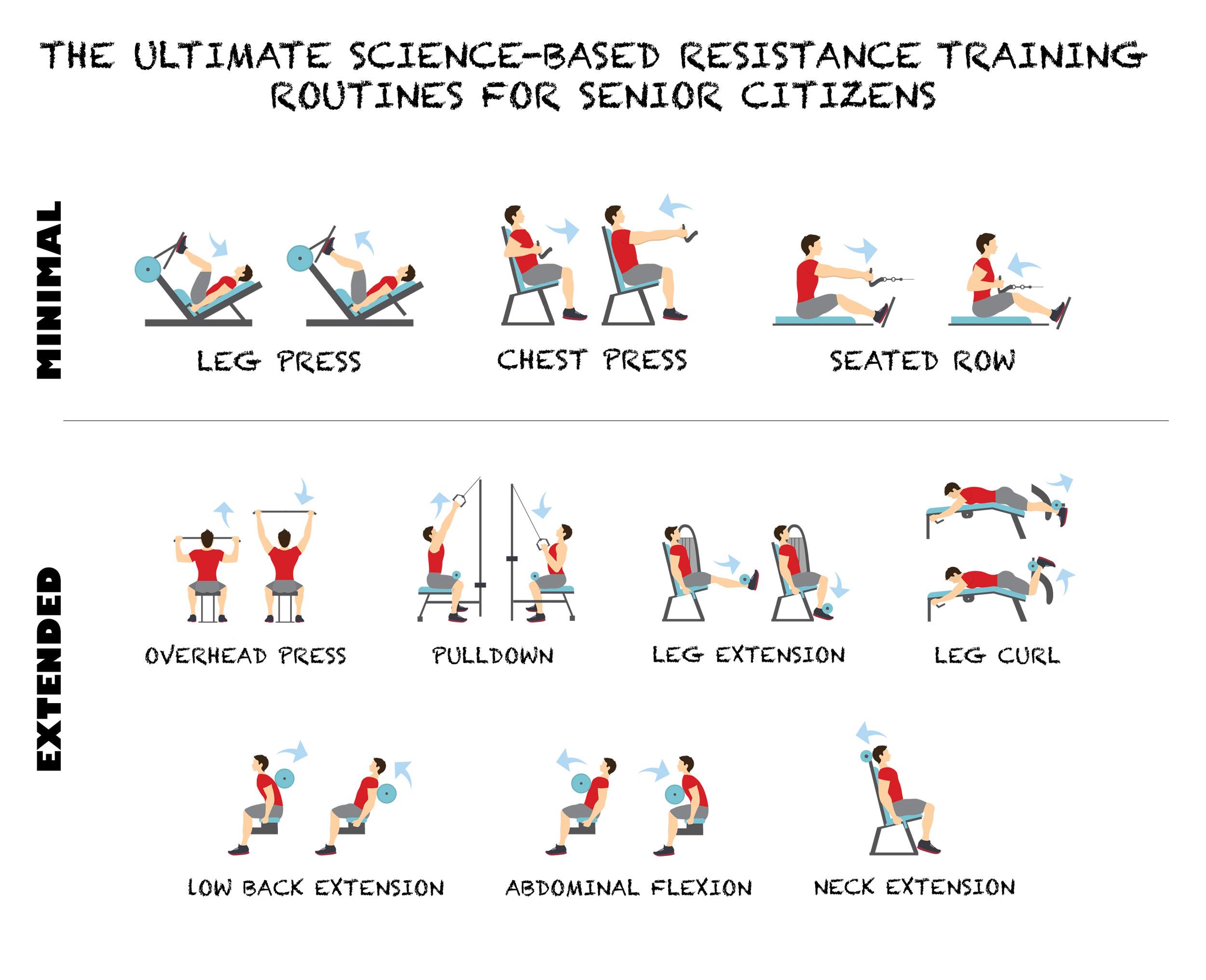
As the golden years unfold, the notion of aging is often accompanied by a narrative steeped in decline and fragility. Yet, a remarkable shift is taking place in how we perceive this inevitable phase of life. Enter strength training—a transformative practice that is redefining what it means to grow older. Once thought to be the domain of the young and athletic, the weights and resistance bands are now inviting seniors to reclaim their vitality. This article explores the multifaceted benefits of strength training for older adults, illuminating how it can enhance physical health, bolster mental well-being, and foster a renewed sense of independence. Join us as we delve into the empowering world of strength training, revealing how lifting weights can indeed lift spirits and redefine the aging experience.
Table of Contents
- Building a Strong Foundation: Understanding the Importance of Strength Training for Older Adults
- Enhancing Mobility and Balance: How Strength Training Reduces Fall Risks and Improves Daily Function
- Boosting Mental Health: The Psychological Benefits of Strength Training in Senior Wellness
- Practical Steps to Get Started: Effective Strength Training Routines Tailored for Seniors
- In Summary
Building a Strong Foundation: Understanding the Importance of Strength Training for Older Adults
As the body ages, it is natural for muscle mass and strength to decline, which can lead to decreased mobility and increased risk of falls. However, incorporating strength training into a senior’s routine can significantly counteract these age-related changes. Engaging in resistance exercises not only enhances muscle strength but also improves bone density, promoting overall skeletal health. Regular strength training sessions can help maintain independence by improving functional abilities such as climbing stairs and lifting objects. This is essential for enhancing the quality of life as individuals grow older.
Additionally, strength training contributes to better balance and posture, which are critical factors in preventing falls—one of the leading causes of injury among older adults. Benefits extend beyond physical health, as engaging in these exercises can lead to improved mental health and emotional well-being. Research indicates that older adults who participate in regular strength training report lower levels of depression and anxiety. Here’s a brief overview of some advantages:
| Benefit | Description |
|---|---|
| Increased Muscle Mass | Helps counteract age-related muscle loss. |
| Improved Joint Health | Reduces symptoms of arthritis and other joint issues. |
| Enhanced Balance | Decreases risk of falls and related injuries. |
| Boosted Metabolism | Supports weight management and overall health. |
Enhancing Mobility and Balance: How Strength Training Reduces Fall Risks and Improves Daily Function
As we age, maintaining mobility and balance becomes increasingly essential. Engaging in strength training helps enhance the body’s muscular endurance, coordination, and flexibility, all of which play a crucial role in preventing falls. Regularly incorporating exercises that target major muscle groups can significantly improve stability, allowing seniors to navigate their environment with greater confidence. Some effective strength training exercises to consider include:
- Squats: Strengthens the legs and improves balance.
- Wall Push-Ups: Enhances upper body strength essential for stability.
- Calf Raises: Increases ankle strength and support for better balance.
These simple yet effective movements not only build strength but also bolster daily function, enabling seniors to perform routine activities with ease. Furthermore, the psychological benefits of strength training should not be overlooked; simply knowing they are actively working to reduce fall risks can give seniors a sense of empowerment and control over their health. Below is a brief comparison of the benefits of strength training versus a sedentary lifestyle:
| Aspect | Strength Training | Sedentary Lifestyle |
|---|---|---|
| Muscle Strength | Increases | Decreases |
| Balance | Improves | Declines |
| Confidence in Mobility | Boosts | Decreases |
Boosting Mental Health: The Psychological Benefits of Strength Training in Senior Wellness
Engaging in strength training offers a myriad of psychological benefits that greatly enhance the mental wellness of seniors. Regular exercise, particularly resistance training, has been shown to reduce symptoms of anxiety and depression, leading to a more positive outlook on life. The act of lifting weights or performing bodyweight exercises fosters a sense of accomplishment as individuals witness their own progress over time. This feeling of achievement not only boosts self-esteem but also ignites motivation to maintain an active lifestyle. Furthermore, the routine associated with strength training can instill essential structure in daily life, providing a counterbalance to feelings of isolation or uncertainty.
Strength training also promotes social interactions, whether it’s through a community class or a workout buddy system. Participating in group sessions allows seniors to connect, share experiences, and build friendships, which are crucial for mental well-being. Additionally, the release of endorphins during physical activity serves as a natural mood enhancer. This creates a positive feedback loop: as seniors engage more in strength training, they experience improved mental health, which further encourages them to maintain their fitness routines. The mental clarity and resilience fostered by strength training empower seniors to navigate the challenges of aging with greater confidence.
Practical Steps to Get Started: Effective Strength Training Routines Tailored for Seniors
Starting a strength training routine can be both exciting and a bit daunting, but tailoring it to suit the unique needs of seniors can make all the difference. Focus on exercises that not only build strength but also enhance mobility, balance, and flexibility. Consider including the following types of exercises in your routine:
- Bodyweight exercises: Simple moves like squats, wall push-ups, and step-ups require minimal equipment and can be adjusted to any fitness level.
- Resistance bands: These are great for adding resistance without heavy weights and can be used for various muscle groups, offering flexibility in your workouts.
- Dumbbells: Light weights can enhance resistance training. Start with 1-5 pound dumbbells and gradually increase as strength improves.
It’s essential to incorporate scheduled routines that allow for gradual progression. A simple weekly plan could look like this:
| Day | Focus | Example Exercises |
|---|---|---|
| Monday | Upper Body | Push-ups, Dumbbell Rows |
| Wednesday | Lower Body | Squats, Lunges |
| Friday | Core & Flexibility | Planks, Stretching |
Always consult with a healthcare professional before starting any new exercise program, especially if there are pre-existing conditions. Remember to warm up before each session, stay hydrated, and listen to your body to make adjustments as needed.
In Summary
As we journey through the seasons of life, it becomes increasingly vital to embrace practices that enhance our well-being and independence. Strength training stands out as a beacon of empowerment for seniors, offering not just physical strength, but renewed confidence and vitality. By integrating this form of exercise into daily routines, older adults can defy stereotypes about aging, managing chronic conditions, and improving overall quality of life.
Remember, it’s never too late to start. With the support of knowledgeable trainers, community programs, and adaptive equipment, seniors can discover the transformative effects of strength training tailored to their unique needs. Each session holds the promise of resilience and renewal, allowing them to reclaim their strength, both physically and mentally.
As we conclude this exploration into the benefits of strength training for seniors, remember that the path to empowerment begins with a single step—or a single lift. Embrace the challenge, celebrate the progress, and join the movement that emphasizes strength at every stage of life. The golden years are not just about slowing down; they are an opportunity to build a legacy of vitality and strength that inspires generations to come.