


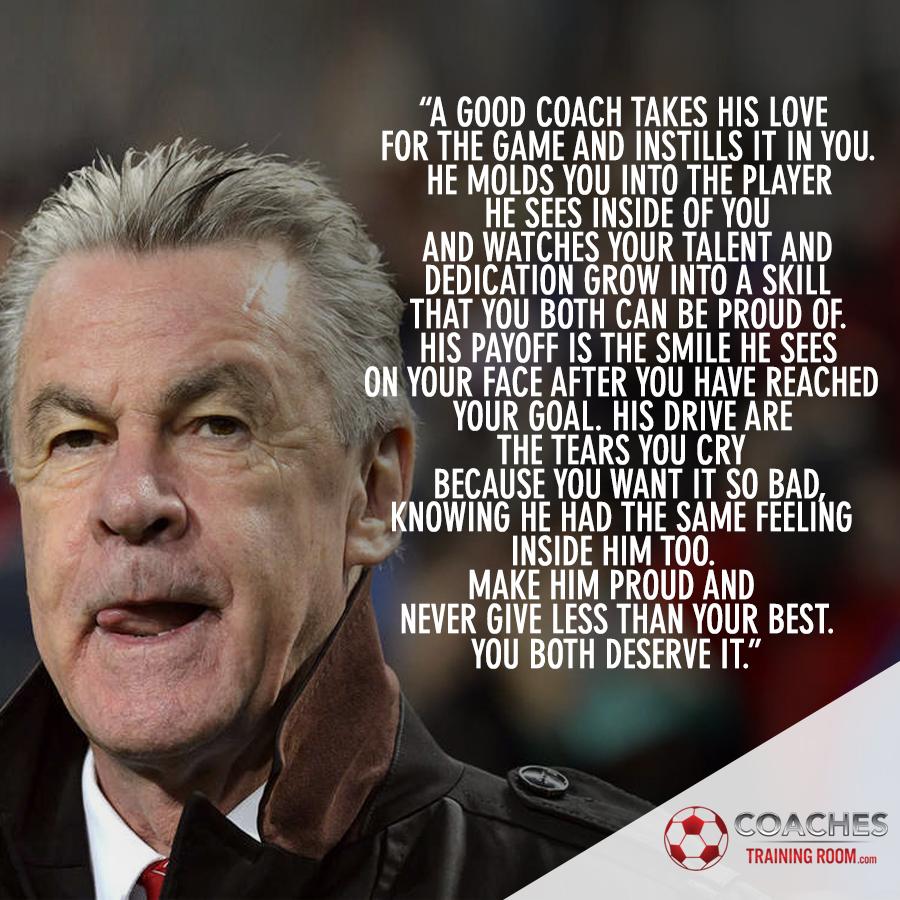
In a world where self-improvement and personal transformation are celebrated, the journey to physical excellence often hinges on the guidance and support of a dedicated coach. These professionals are not merely trainers; they are architects of change, sculpting not only the bodies of their clients but also their mindsets and lifestyles. As the fitness landscape continues to evolve, the nuances of coaching have come to the forefront, revealing the profound impact that a committed mentor can have on an individual’s quest for health and strength. This article delves into the multifaceted role of coaches in shaping transformations, exploring their methodologies, motivations, and the lasting bonds they forge with those they inspire. Join us as we unpack the intricate weave of knowledge, empathy, and perseverance that defines the coaching experience and elevates the pursuit of wellness beyond the gym walls.
Table of Contents
- The Power of Personalization: Tailoring Coaching Approaches to Individual Goals
- Building Trust and Accountability: The Foundations of a Strong Coach-Client Relationship
- Navigating Challenges: How Coaches Support Overcoming Mental and Physical Barriers
- Measuring Progress: Effective Techniques for Tracking Transformation and Celebrating Milestones
- The Conclusion
The Power of Personalization: Tailoring Coaching Approaches to Individual Goals
The effectiveness of coaching is significantly enhanced when the strategies employed are customized to align with the specific aspirations and circumstances of each individual. Coaches who take the time to understand their clients’ unique backgrounds, motivations, and challenges can create a supportive environment that fosters genuine growth. By leveraging personalized approaches, they are able to craft training regimes that not only resonate with their clients but also drive them toward tangible results. This comprehensive understanding helps coaches to:
- Identify strengths and weaknesses: Tailoring the approach allows for a focused assessment of what works and what requires improvement.
- Adjust goals dynamically: As progress is made, personalized coaching facilitates real-time adjustments to keep clients engaged and motivated.
- Enhance accountability: Customized strategies create a strong partnership between coach and client, fostering a deeper commitment to goals.
Furthermore, personalization extends beyond just physical training; it encompasses emotional and psychological support, shaping a more holistic coaching experience. For example, recognizing that different individuals may respond to feedback in varying ways enables coaches to communicate more effectively. This leads to the establishment of trust and encouragement, key factors in overcoming obstacles. Coaches can employ strategies tailored to individual emotional landscapes, such as:
| Emotional Needs | Coaching Strategies |
|---|---|
| Low confidence | Positive reinforcement and gradual challenges |
| High anxiety | Mindfulness techniques and consistent routines |
| Lack of motivation | Goal setting and visualization exercises |
Building Trust and Accountability: The Foundations of a Strong Coach-Client Relationship
In the intricate dance of coach-client interactions, the bedrock of progress lies in the intertwining of trust and accountability. Clients must feel secure in their vulnerability; they require a space where they are encouraged to explore their strengths and weaknesses without fear of judgment. A coach’s transparency—whether it’s sharing their own experiences or articulating expectations—fosters an environment of openness. When both parties engage in honest communication, it not only strengthens the relationship but also propels the client toward their goals with confidence and commitment. Some key elements contributing to this dynamic relationship include:
- Active Listening: Coaches must be attuned to their clients’ needs and feedback.
- Consistent Check-ins: Regular assessments help maintain accountability.
- Tailored Approaches: Individualized plans reflect understanding and respect for each client’s unique journey.
Accountability brings structure and commitment, turning intentions into tangible results. When clients know their coach is invested in their journey, they are more likely to adhere to their routines and push their boundaries. Structuring sessions to include goal-setting discussions and established benchmarks can effectively cultivate this sense of responsibility. A clear framework keeps both the coach and the client focused, creating a roadmap for success. Below is a simplistic overview of the framework for achieving this:
| Aspect | Description |
|---|---|
| Establish Goals | Define short-term and long-term objectives together. |
| Track Progress | Regularly review achievements and setbacks. |
| Encourage Reflection | Help clients assess their learning and experiences. |
Navigating Challenges: How Coaches Support Overcoming Mental and Physical Barriers
Dedicated coaches play a pivotal role in helping individuals break through mental and physical barriers that often hinder progress. They provide tailored strategies and support that address unique challenges, fostering a safe environment where obstacles can be openly discussed and navigated. These professionals utilize a variety of techniques, including:
- Motivational interviewing: Engaging clients in conversations that empower them to identify their own solutions.
- Mindfulness practices: Teaching techniques to enhance focus and present-moment awareness.
- Goal setting: Assisting in setting realistic, achievable goals that serve as stepping stones to success.
Furthermore, coaches often employ physical training regimens that not only help to boost strength and endurance but also challenge and reshape the mental landscape of athletes. This comprehensive approach incorporates:
| Technique | Benefit |
|---|---|
| Progressive muscle relaxation | Reduces stress and anxiety, enhancing overall performance. |
| Visualizations | Encourages mental rehearsal and builds confidence. |
| Strength conditioning | Improves physical capabilities while bolstering mental resilience. |
This holistic strategy empowers clients, transforming not only their bodies but also their mindsets, equipping them to face challenges head-on.
Measuring Progress: Effective Techniques for Tracking Transformation and Celebrating Milestones
Tracking transformation is a key aspect of the fitness journey, allowing clients and coaches to gauge progress over time. One effective strategy is to utilize a variety of measurement techniques, including body composition analysis, circumference measurements, and progress photos. Each method provides unique insights and can highlight changes that may not always be apparent on the scale. Consider incorporating regular check-ins through:
- Weekly weigh-ins to monitor trends.
- Bi-weekly body measurements to capture structural changes.
- Monthly progress photos for visual comparison.
Celebrating achievements, regardless of their size, fosters motivation and positivity throughout the transformation process. By acknowledging milestones, clients are encouraged to stay committed to their goals. A simple yet powerful technique is to create a milestone chart that displays significant achievements. This visual representation not only tracks progress but also instills a sense of pride. Here’s a sample chart format:
| Milestone | Date Achieved | Significance |
|---|---|---|
| Lost 5 lbs | January 15 | First step towards my goal |
| Completed 2 weeks of workouts | February 1 | Consistency is key |
| Gained 1% muscle mass | February 20 | Sign of strength training success |
The Conclusion
In a world increasingly focused on personal growth and holistic well-being, the role of dedicated coaches cannot be underestimated. They are not merely trainers; they are catalysts of transformation, guiding individuals through the labyrinth of physical and mental challenges. As we’ve explored, the journey of transforming bodies goes beyond the surface—it’s a profound endeavor that intertwines resilience, discipline, and support. By forging strong relationships and employing tailored methodologies, coaches empower clients to uncover their true potential. As we conclude our exploration of this crucial dynamic, it becomes evident that investing in a dedicated coach may be one of the most transformative decisions one can make. it’s not just about achieving a new physique; it’s about embracing a healthier, more empowered version of oneself. The journey is ongoing, the lessons are invaluable, and the possibilities are limitless.