


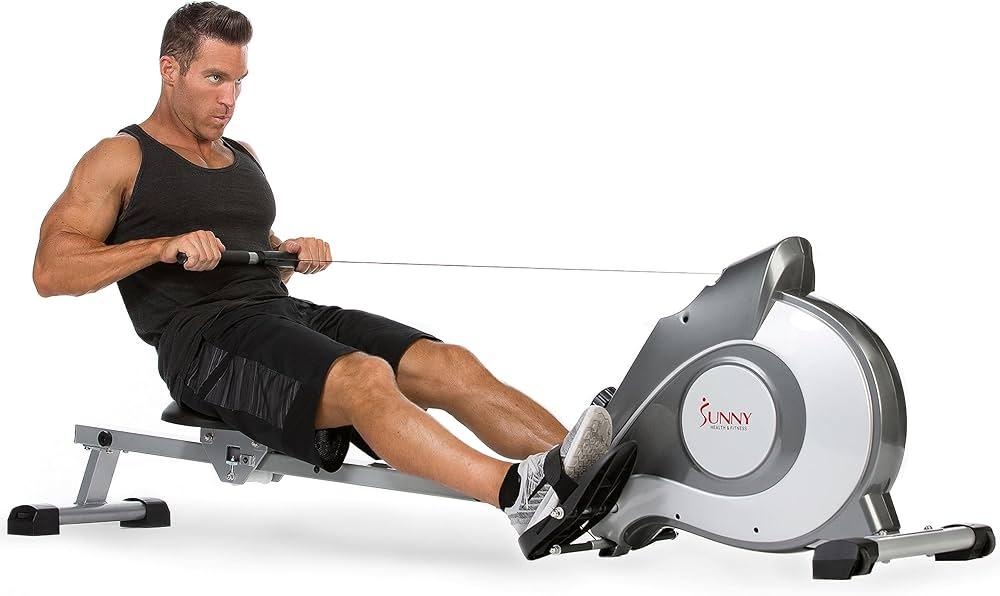
Introduction:
In the ever-evolving world of fitness, where high-intensity workouts and spinning classes often steal the spotlight, one unsung hero quietly transforms our approach to cardiovascular exercise: the rowing machine. More than just a relic of retro gyms, the rowing machine has emerged as a powerhouse tool for anyone seeking to elevate their fitness game. Its unique blend of full-body engagement and low-impact exercise invites individuals of all ages and fitness levels to embark on a journey of strength, endurance, and wellness. In this article, we’ll explore how rowing machine cardio can unlock your fitness potential, from the mechanics of the movement to the myriad health benefits it offers. Whether you’re a seasoned athlete or a curious beginner, it’s time to discover why this versatile machine may be the key to achieving your goals and redefining your fitness routine.
Table of Contents
- Exploring the Benefits of Rowing Machine Cardio for Total Body Fitness
- Mastering Rowing Techniques: Form, Function, and Efficiency
- Setting Your Goals: Customizing Your Rowing Workout Plan
- Incorporating Rowing into Your Routine: Tips for Sustainable Cardio Success
- Closing Remarks
Exploring the Benefits of Rowing Machine Cardio for Total Body Fitness
Rowing machines offer a unique blend of cardiovascular and strength-training benefits, engaging multiple muscle groups that make every stroke count. With its low-impact nature, this exercise modality minimizes strain on joints while providing a robust workout that can burn a significant number of calories. By integrating both upper and lower body muscles, rowing efficiently targets the following areas:
- Legs – The quads and hamstrings are activated with each push, contributing to lower body strength.
- Back – Engaging your lats and rhomboids, rowing improves upper body strength and posture.
- Core – A powerful core is essential for effective rowing, as it stabilizes the body and enhances overall performance.
- Arms – Biceps and triceps are utilized during the pulling phase, providing an upper body workout.
Furthermore, incorporating rowing into your workout routine can stimulate cardiovascular endurance, promoting heart health. As a form of interval training, rowing can be customized to suit varying fitness levels, making it accessible for beginners and seasoned athletes alike. With the option to adjust resistance, users can perform varying intensities, allowing for:
| Intensity Level | Duration | Benefits |
|---|---|---|
| Low | 20 minutes | Enhanced recovery and fat burning |
| Moderate | 15 minutes | Improved endurance and muscle strength |
| High | 10 minutes | Maximal calorie burn and power output |
Mastering Rowing Techniques: Form, Function, and Efficiency
When it comes to harnessing your strength and endurance, mastering rowing techniques is integral to accessing the full power of a rowing machine. Proper form is the cornerstone of efficient rowing, allowing you to maximize your workout while minimizing the risk of injury. Focus on the following key components:
- Catch Position: Start with a forward lean, shins vertical, and arms extended.
- Drive Phase: Engage your legs, pushing off with your feet while keeping your back straight.
- Finish Position: Lean back slightly, with the handle drawn to your chest and elbows relaxed.
To further enhance your technique and overall efficiency, adhere to a consistent rhythm that harmonizes your strokes. Maintaining a steady pace not only leads to improved cardiovascular fitness, but also enables you to build endurance and strength over time. Consider monitoring your performance through the use of metrics such as:
| Metric | Importance |
|---|---|
| Stroke Rate | Measures your rowing speed; aim for consistency. |
| Split Time | Indicates time taken to row 500 meters; a lower split means better efficiency. |
| Calories Burned | Tracks energy expenditure during your workout; helps set fitness goals. |
Setting Your Goals: Customizing Your Rowing Workout Plan
Customizing your rowing workout plan is essential for maximizing your results and maintaining motivation. Start by identifying your specific fitness goals, whether it’s improving cardiovascular endurance, building strength, or losing weight. Consider incorporating a variety of workouts that challenge different aspects of your fitness. For instance, you can alternate between steady-state sessions focused on endurance and high-intensity interval training (HIIT) to boost your metabolic rate. Make sure to include progress tracking to see how far you’ve come and adjust your plan as necessary.
Another effective strategy is to personalize your rowing workouts by incorporating different techniques and routes. You might want to explore different stroke rates and resistance levels to simulate real-world rowing conditions. Creating a weekly schedule can also help you stay organized and committed. Here’s a simple template to get you started:
| Day | Workout Type | Duration |
|---|---|---|
| Monday | Steady State | 30 minutes |
| Wednesday | HIIT | 20 minutes |
| Friday | Endurance Challenge | 45 minutes |
| Sunday | Mixed Technique | 30 minutes |
Incorporating Rowing into Your Routine: Tips for Sustainable Cardio Success
Incorporating rowing into your fitness routine can be both enjoyable and rewarding, transforming your cardiovascular workout into a sustainable habit. To make the most of your time on the rowing machine, consider these essential tips:
- Set Realistic Goals: Start with achievable targets, whether it’s time spent rowing or distance covered. Gradually increase your objectives to keep challenging yourself.
- Create a Schedule: Stick to a consistent workout schedule, aiming for at least three sessions per week to build momentum.
- Mix It Up: Alternate between different rowing techniques and intensity levels, such as endurance sessions and high-intensity interval training (HIIT), to avoid boredom and plateaus.
To track your progress and stay motivated, consider using a fitness app or a workout journal. Documenting your achievements can make your fitness journey more rewarding. Additionally, pay attention to your rowing technique to maximize efficiency and prevent injuries. Focus on these key elements:
- Engage Your Core: Maintain a strong core to support your back and enhance power transfer.
- Drive with Your Legs: Use your legs for the initial push, and incorporate your back and arms as you pull.
- Monitor Your Breathing: Develop a rhythmic breathing pattern that aligns with your strokes to maintain endurance.
Closing Remarks
As we row our way to the end of this exploration into the realm of rowing machine cardio, it’s clear that this versatile piece of equipment holds the key to unlocking your fitness potential. Whether you’re a seasoned athlete or a newcomer diving into the world of exercise, the rowing machine offers a unique blend of strength and endurance training, all while being low-impact and accessible to all fitness levels.
So, as you step off the machine, remember that every stroke of the oar is more than just a movement—it’s a step toward your goals, a way to challenge yourself, and an opportunity to connect with your body in a profound and rewarding manner. Embrace the rhythm, feel the burn, and let the water underneath your imaginary boat carry you toward new horizons.
With every workout, you’re not just building physical strength; you’re crafting resilience, discipline, and a deeper understanding of what your body can achieve. So, take a deep breath, grab that oar, and let the rowing machine guide you on your journey. Your best self is waiting just beyond the next stroke. Happy rowing!