


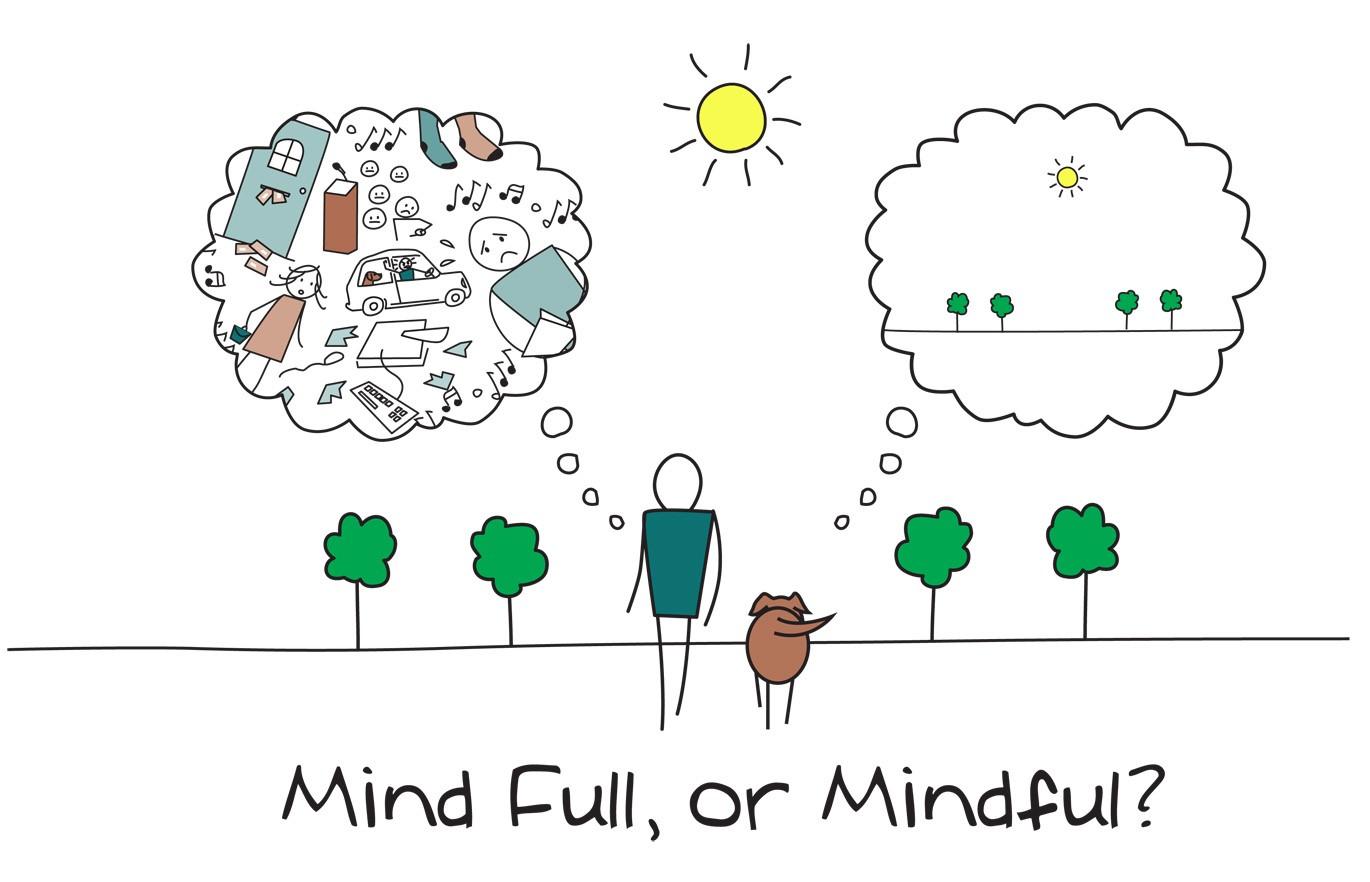
In a world that often feels like it’s moving a mile a minute, the quest for tranquility seems ever more elusive. Each day is filled with a relentless ebb and flow of responsibilities, distractions, and demands that can easily overwhelm even the most grounded among us. Yet, nestled within the chaos lies a powerful antidote: mindfulness. This age-old practice, steeped in centuries of tradition, has emerged as a cornerstone of contemporary wellness. It invites us to pause, breathe, and immerse ourselves fully in the present moment, transforming the way we engage with our thoughts and surroundings. In this article, we will explore how embracing mindfulness can enhance our overall well-being, serving as a key element in holistic wellness practices that foster resilience, clarity, and inner peace. Join us as we delve into the principles of mindfulness, its myriad benefits, and practical ways to weave it into the fabric of our daily lives.
Table of Contents
- Exploring the Foundations of Mindfulness in Wellness Practices
- The Science Behind Mindfulness: How It Enhances Mental and Physical Health
- Integrating Mindfulness into Daily Routines for Lasting Benefits
- Practical Techniques to Cultivate Mindfulness in Everyday Life
- Insights and Conclusions
Exploring the Foundations of Mindfulness in Wellness Practices
At the heart of wellness practices lies the transformative concept of mindfulness, which encourages individuals to embrace the present moment with awareness and acceptance. This foundational element fosters a deeper understanding of one’s thoughts, feelings, and bodily sensations, creating a profound connection between mind and body. Integrating mindfulness into daily routines can facilitate greater emotional regulation, alleviate stress, and enhance overall well-being. Some vital aspects of mindfulness in wellness practices include:
- Active Listening: Engaging fully in conversations to enhance relationships.
- Breath Awareness: Using breath as a tool for grounding and centering oneself.
- Body Scanning: Cultivating awareness of physical sensations to release tension.
- Gratitude Practice: Focusing on positive aspects of life to shift perspective.
Moreover, the effectiveness of mindfulness can be amplified through structured programs, such as Mindfulness-Based Stress Reduction (MBSR) and Mindful Self-Compassion (MSC). These programs guide individuals in developing a consistent practice, helping them cultivate resilience against life’s challenges. Below is a brief comparison of two popular mindfulness programs:
| Program | Focus | Duration |
|---|---|---|
| MBSR | Stress reduction and emotional balance | 8 weeks |
| MSC | Self-compassion and emotional resilience | 8 weeks |
The Science Behind Mindfulness: How It Enhances Mental and Physical Health
Recent studies in neuroscience have illuminated the profound impact of mindfulness practices on both mental and physical well-being. When individuals engage in mindfulness, they cultivate a state of heightened awareness and presence, allowing them to connect more deeply with their thoughts and feelings. This practice has been shown to trigger significant changes in brain activity, particularly in areas responsible for emotion regulation and cognitive flexibility. By promoting neuroplasticity, mindfulness helps create new pathways in the brain, leading to improved emotional resilience and reduced levels of stress and anxiety.
The benefits of a mindfulness practice extend beyond the mind, positively influencing physical health as well. Regular engagement in mindfulness techniques can lead to reductions in chronic pain, improved sleep patterns, and better heart health. Scientific research indicates that individuals who practice mindfulness often experience:
- Lower blood pressure
- Enhanced immune function
- Decreased symptoms of depression and anxiety
These physiological changes mirror the psychological shifts, highlighting the interconnectedness of body and mind in achieving overall wellness. As such, embracing mindfulness is not merely a trend but a scientifically-backed component that can significantly enhance personal health journeys.
Integrating Mindfulness into Daily Routines for Lasting Benefits
Integrating mindfulness into daily routines can transform the mundane into nourishing moments of introspection and presence. By embedding simple practices into your everyday activities, you create opportunities to pause and connect with the here and now. Here are some effective ways to weave mindfulness seamlessly into your life:
- Morning Reflection: Begin your day with a few minutes of deep breathing or meditation to set a positive tone.
- Mindful Eating: Savor each bite during meals, focusing on flavors and textures to cultivate a deeper appreciation for food.
- Nature Walks: Take your daily walks with a heightened awareness of your surroundings, feeling the ground beneath your feet and listening to the sounds of nature.
- Digital Detox: Allocate specific times to disengage from screens and practice being present in your environment or with loved ones.
Creating a mindfulness-friendly environment can significantly enhance your daily routine. Consider adopting specific techniques to trigger mindfulness consistently throughout your day. A simple chart can help visualize the integration of mindfulness into various aspects of life:
| Activity | Mindfulness Technique |
|---|---|
| Showering | Focus on sensations: water temperature, scent of soap |
| Commute | Practice gratitude or listen to calming music |
| Work Breaks | Stretch and take deep breaths to reset your mind |
| Before Sleep | Reflect on your day and express gratitude for three things |
Practical Techniques to Cultivate Mindfulness in Everyday Life
Cultivating mindfulness doesn’t have to be a complicated or time-consuming endeavor. Incorporating small practices into your daily routine can significantly enhance your awareness and connection to the present moment. Start by embracing the power of breath; taking a few deep, deliberate breaths while you pause at various points in your day can ground you in the here and now. You might also consider the technique of body scanning—a simple practice where you mentally focus on each part of your body, noticing any sensations without judgment. This can help enhance your body awareness and promote relaxation.
Another effective way to weave mindfulness into your life is to practice mindful eating. This involves slowing down during meals, savoring each bite, and truly experiencing the flavors and textures of your food. Setting a digital timer for 10 or 15 minutes can encourage you to enjoy your meals without distractions. Additionally, engaging in nature walks can serve as a meditative practice; notice the sights, sounds, and smells around you. Try making a habit of stepping outside for a few moments each day to reconnect with nature and yourself. Here are some practical techniques:
| Technique | How to Implement |
| Deep Breathing | Take 5 minutes to focus solely on your breath. |
| Body Scanning | Spend time noticing sensations from head to toe. |
| Mindful Eating | Eat without distractions and savor each bite. |
| Nature Walks | Spend 10 minutes observing your surroundings. |
Insights and Conclusions
As we conclude our exploration of mindfulness and its integral role in wellness practices, it becomes evident that this powerful tool extends beyond mere relaxation. It invites us to cultivate a deeper connection with ourselves and the world around us. By embracing mindfulness, we not only enhance our own well-being but also foster a more compassionate society.
In a world that often feels hurried and overwhelming, taking a moment to pause, breathe, and engage with the present can be transformative. Whether through meditation, mindful eating, or simply being aware in our daily interactions, each step towards mindfulness paves the way for greater clarity and calm.
So, as you embark on your wellness journey, remember that mindfulness is not a destination but a continuous practice. It’s an invitation to pause, reflect, and engage with life in its fullness. In this practice lies the potential for profound change—for ourselves and for those we share our lives with. Embrace it wholeheartedly, and watch how it enriches your path to wellness.