


In a world increasingly defined by rapid pace and relentless noise, the ancient practice of Qigong offers a pathway to tranquility and vitality. Rooted in thousands of years of Chinese tradition, Qigong, which translates to “energy work,” harmonizes the body, mind, and spirit through a unique blend of movement, meditation, and breath. As practitioners immerse themselves in this profound discipline, they embark on a journey of self-discovery and rejuvenation, unlocking the latent energy that resides within. This article delves into the transformative experience of Qigong training, examining its principles, techniques, and the profound benefits it can bring to those eager to cultivate balance, enhance well-being, and foster a deeper connection to themselves and the world around them. Join us as we explore the gentle yet powerful art of Qigong, illuminating the path to inner peace and vibrant health.
Table of Contents
- The Foundations of Qigong: Understanding Energy Flow and Its Benefits
- Navigating the Path: Essential Practices for Effective Qigong Training
- Cultivating Mindfulness: The Role of Breath and Meditation in Qigong
- Integrating Qigong into Daily Life: Tips for Sustaining Your Energy Journey
- In Conclusion
The Foundations of Qigong: Understanding Energy Flow and Its Benefits
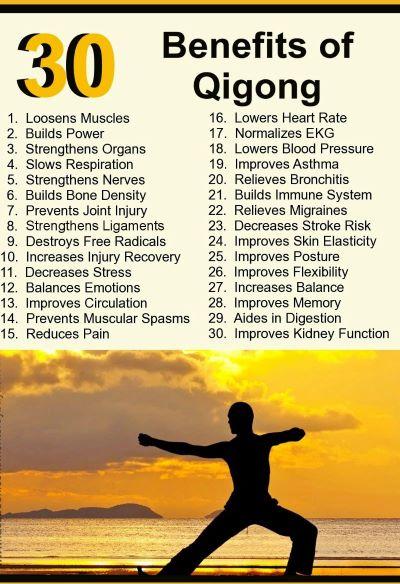
Qigong is an ancient practice that emphasizes the cultivation of *qi*, or life energy, through mindful movement, breath control, and visualization. By fostering awareness of the body’s energy flow, practitioners can harmonize their internal landscape, facilitating a connection between mind, body, and spirit. This holistic approach not only helps in achieving physical wellness but also promotes emotional balance and mental clarity. Benefits of engaging in Qigong include:
- Enhanced Relaxation: Reduces stress and anxiety through gentle movements and deep breathing.
- Improved Flexibility: Increases joint mobility and muscle elasticity.
- Boosted Immunity: Strengthens the body’s defenses through energy cultivation.
- Mental Clarity: Aids in mental focus and cognitive functioning.
The essence of Qigong revolves around cultivating and balancing energy, creating a dynamic interaction that revitalizes both the practitioner and their surroundings. Techniques such as *Zhan Zhuang* (standing meditation) and *Daoyin* (guiding and stretching), encourage the smooth circulation of *qi*, helping to clear energy blockages and promote healing. A deep understanding of this flow allows practitioners to tap into a reservoir of vitality, ultimately leading to a state of comprehensive wellness. To illustrate the transformative effects of Qigong, consider the following benefits:
| Benefit | Description |
|---|---|
| Physical Health | Enhances overall bodily function and health. |
| Emotional Well-Being | Fosters emotional stability and resilience. |
| Spiritual Growth | Promotes inner peace and self-awareness. |
Navigating the Path: Essential Practices for Effective Qigong Training
Embarking on the journey of Qigong training requires a blend of mindfulness and discipline. To cultivate the energy within, practitioners should establish a consistent routine that encourages both physical and mental alignment. This practice not only enhances endurance but also deepens the connection to one’s inner energy. Consider incorporating the following essential practices:
- Breath Control: Focus on deep, abdominal breathing to calm the mind and invigorate the spirit.
- Mindfulness Meditation: Spend a few minutes each session in quiet reflection to harmonize your thoughts.
- Gentle Movements: Engage in slow, deliberate motions that promote relaxation and energy flow.
- Body Awareness: Tune into sensations within the body, recognizing areas of tension and allowing them to release.
As one progresses, monitoring the impact of practice can be invaluable. Documenting experiences can not only highlight areas of improvement but also elevate the understanding of personal energy dynamics. Maintain a simple ledger with observations on various aspects of your training, such as:
| Aspect | Observation | Feeling Post-Practice |
|---|---|---|
| Breath Quality | Deep and steady | Relaxed and centered |
| Energy Levels | Increased vitality | Invigorated |
| Mental Clarity | Quiet mind | Focused |
By integrating these basic yet vital practices, practitioners lay a solid groundwork for their Qigong journey, enabling them to unlock the transformative power of energy and connect more deeply with their essence.
Cultivating Mindfulness: The Role of Breath and Meditation in Qigong
At the heart of Qigong lies a profound understanding of the breath, a vital force that connects the mind, body, and spirit. By focusing on the breath, practitioners can cultivate a deeper awareness of the present moment, allowing the mind to settle and the body’s energy to flow freely. This connection not only enhances physical health but also nurtures emotional balance and mental clarity. Techniques such as deep abdominal breathing, single nostril breathing, and visualization are often integrated into practice to help practitioners tune into their internal rhythms, promoting a sense of peace and grounding.
Meditation serves as a cornerstone of Qigong, offering a pathway to explore and harness one’s energy. During meditation sessions, individuals often engage in mindful observation, where thoughts and feelings are acknowledged without judgment, creating space for a deeper understanding of oneself. As energy begins to circulate through the meridians, sensations of warmth, tingling, or even emotional release may arise. These experiences can be supported through a variety of practice styles such as:
- Static meditation – holding postures to still the mind
- Dynamic meditation – flowing movements to activate energy
- Guided meditation – following an instructor’s voice for deeper relaxation
To illustrate the impact of breath and meditation in Qigong, consider the following table, which summarizes the benefits of various breathing techniques:
| Breathing Technique | Benefit |
|---|---|
| Deep Abdominal Breathing | Enhances oxygen flow and calms the nervous system |
| Single Nostril Breathing | Balances energy and promotes mental focus |
| Purifying Breath | Clears negative energy and detoxifies |
Integrating Qigong into Daily Life: Tips for Sustaining Your Energy Journey
Integrating Qigong into your daily routine can transform your energy levels and enhance your overall well-being. Start by setting aside a few minutes each day to practice. This small commitment can significantly impact your body and mind over time. Consider the following tips to seamlessly weave Qigong into your life:
- Morning Ritual: Dedicate 10-15 minutes in the morning to a gentle Qigong routine. This sets a positive tone for the day ahead.
- Workplace Breaks: Utilize short bursts of Qigong during breaks at work to rejuvenate your energy and maintain focus.
- Mindful Movement: Incorporate Qigong into your everyday activities, such as walking or stretching, to remain connected to your breath and body.
- Evening Wind Down: End your day with a calming Qigong practice to help clear your mind and promote better sleep.
To further enhance your experience, consider tracking your progress and reflecting on how Qigong affects your energy levels and overall mood. Creating a simple table can help you identify patterns and stay motivated:
| Day | Practice Duration | Energy Level (1-10) | Notes |
|---|---|---|---|
| Monday | 15 minutes | 8 | Felt energized throughout the day |
| Tuesday | 10 minutes | 7 | Used Qigong during break |
| Wednesday | 20 minutes | 9 | Morning session was refreshing |
In Conclusion
As we conclude our exploration into the transformative realm of Qigong, we find ourselves standing on the threshold of a powerful journey, one that invites us to unlock the hidden reservoirs of energy within us. This ancient practice, with its harmonious blend of movement, breath, and mindful intention, serves as a gentle reminder of our intrinsic connection to both body and spirit.
Whether you are a seasoned practitioner or a curious newcomer, the path of Qigong offers rich opportunities for personal growth, healing, and balance. By embracing its teachings, we cultivate not only physical well-being but also a deeper understanding of our own life force.
As you embark on or continue your Qigong training journey, remember that each moment of practice is a step towards self-discovery, inviting you to cultivate a more radiant existence. May you find joy in the flow of energy, peace in the stillness, and clarity in your intentions, weaving the elegant threads of Qigong into the fabric of your everyday life. Unlock your energy, and let it guide you to new horizons of health and harmony.