


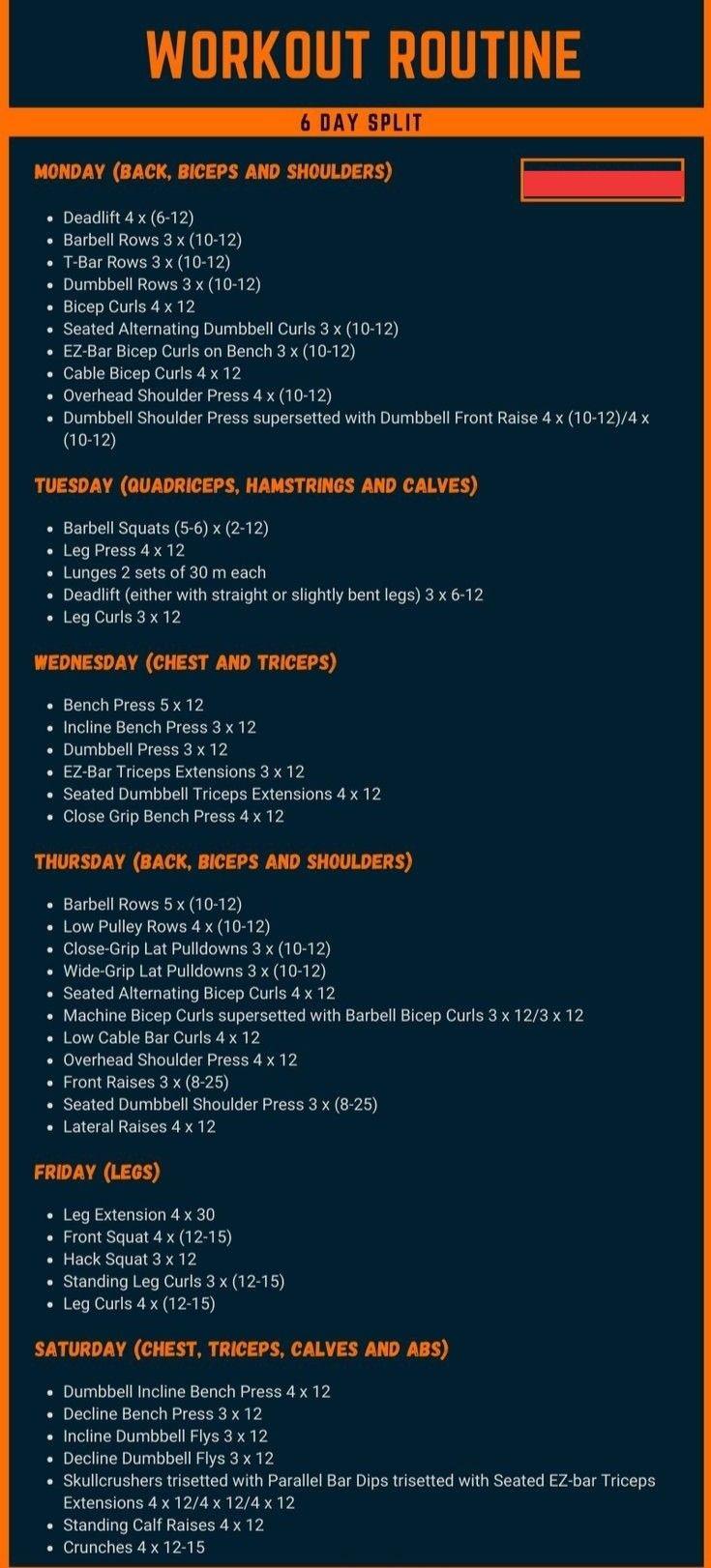
In today’s competitive fitness landscape, individuals are increasingly seeking advanced workout routines that go beyond traditional exercise regimens to enhance performance and achieve specific goals. These sophisticated programs are designed to optimize physical capabilities, improve strength, increase endurance, and refine technique. This article explores various strategies employed in advanced workout routines, examining key principles such as progressive overload, periodization, and specificity. By delving into these methodologies, readers will gain insight into how to effectively structure their training for optimal results, ensuring a balanced approach that aligns with their personal fitness objectives. Whether for athletes aiming to elevate their performance or fitness enthusiasts looking to break through plateaus, understanding these advanced strategies is essential for maximizing potential in any physical training endeavor.
Table of Contents
- Exploring Periodization Techniques for Optimal Training Results
- Incorporating High-Intensity Interval Training to Boost Endurance
- Strengthening Mobility and Flexibility to Enhance Overall Performance
- Nutrition Strategies to Support Advanced Workout Routines
- Closing Remarks
Exploring Periodization Techniques for Optimal Training Results
Periodization is a systematic approach to training that manipulates volume, intensity, and frequency over specific cycles to optimize performance and recovery. This technique can be broken down into different phases, each tailored to target certain aspects of physical fitness. For example, macrocycles span over an entire training year, while mesocycles focus on a particular training block lasting several weeks or months. Additionally, microcycles, typically lasting one week, allow for fine-tuning and adjustments based on immediate goals and performance metrics. Implementing these cycles not only mitigates the risk of overtraining but also enhances muscle adaptation and strength gains.
To effectively apply periodization techniques, consider incorporating a variety of training modalities that suit your specific objectives. Here are some key strategies to keep in mind:
- Goal Setting: Define clear, measurable objectives for each training phase.
- Intensity Variation: Alternate between high-intensity and low-intensity workouts to promote recovery and growth.
- Recovery Integration: Schedule deload weeks to allow for muscle repair and prevent burnout.
- Assess and Adapt: Regularly evaluate performance and adjust training plans based on progress.
Below is a simple table outlining a sample yearly periodization schedule that captures these variations:
| Cycle Type | Focus | Duration |
|---|---|---|
| Macrocycle | Annual Goals | 12 months |
| Mesocycle | Specific Objectives | 4-8 weeks |
| Microcycle | Weekly Plan | 1 week |
Incorporating High-Intensity Interval Training to Boost Endurance
High-Intensity Interval Training (HIIT) is a game-changer for those looking to enhance their endurance levels. By alternating between short bursts of intense activity and periods of rest or lower-intensity exercise, HIIT not only improves cardiovascular fitness but also increases the capacity of muscles to utilize oxygen. This type of training can be seamlessly incorporated into existing workout routines or can stand alone as a focused endurance program. To maximize benefits, consider the following strategies:
- Varied Intervals: Utilize different work-to-rest ratios, such as 30 seconds of all-out effort followed by 30 seconds of rest, to challenge your body.
- Exercise Selection: Include a mix of aerobic and anaerobic activities, such as sprints, cycling, or bodyweight exercises, to engage different muscle groups.
- Progressive Overload: Gradually increase the intensity or duration of the high-intensity segments to continually stimulate improvements in endurance.
To further illustrate HIIT’s impact on endurance, the following table highlights a simple weekly HIIT workout schedule focused on different muscle groups and energy systems:
| Day | Workout Type | Duration (mins) |
|---|---|---|
| Monday | Sprinting Intervals | 20 |
| Wednesday | Bodyweight Circuit | 25 |
| Friday | Cycling Sprints | 30 |
| Saturday | Agility Training | 20 |
Strengthening Mobility and Flexibility to Enhance Overall Performance
Incorporating mobility and flexibility into your workout routine is crucial for preventing injuries and enhancing athletic performance. Engaging in regular stretching and mobility exercises can lead to improved range of motion, which directly influences how well your muscles function. Consider integrating the following techniques into your training regimen:
- Dynamic Stretching: Activate muscles through controlled movements that mimic your workout.
- Static Stretching: Focus on holding stretches to lengthen muscles post-workout.
- Foam Rolling: Use self-myofascial release techniques to relieve tension and improve blood circulation.
- Yoga or Pilates: Enhance flexibility and core stability while promoting mental focus.
Monitoring your progress in mobility and flexibility can be helpful in visualizing improvements over time. Using a simple tracking table can facilitate this:
| Exercise | Before (%) | After (%) | Notes |
|---|---|---|---|
| Hamstring Stretch | 60 | 80 | Increased ease with deeper stretch |
| Shoulder Dislocates | 50 | 75 | Improved mobility during overhead lifts |
| Hip Flexor Stretch | 55 | 82 | Less tension felt post-squat |
Nutrition Strategies to Support Advanced Workout Routines
Nutrition plays a pivotal role in maximizing performance for those engaged in rigorous workout routines. To fuel energy levels and enhance recovery, athletes should focus on a balanced intake of macronutrients. A diet rich in complex carbohydrates can provide sustained energy during prolonged training sessions. Incorporating lean proteins is essential for muscle repair and growth, while healthy fats contribute to hormonal balance and overall health. Consider the following nutrition tips:
- Prioritize whole grains such as quinoa and brown rice for carbohydrate intake.
- Include sources of lean protein like chicken, fish, and plant-based options.
- Incorporate nuts and seeds for healthy fats and vital nutrients.
- Stay hydrated with water and electrolyte-rich drinks, particularly during intense workouts.
Timing your meals around workouts can also amplify performance and recovery. Consuming a meal rich in carbohydrates and protein approximately 30 to 60 minutes post-workout not only replenishes glycogen stores but also aids in muscle protein synthesis. Meal timing can be structured effectively in the following framework:
| Meal Timing | Recommended Foods |
|---|---|
| Pre-Workout | Banana, oatmeal, Greek yogurt |
| Post-Workout | Grilled chicken, sweet potatoes, spinach |
| Snacks (Throughout the day) | Protein bars, smoothies, mixed nuts |
Closing Remarks
implementing advanced workout routines requires a thoughtful approach tailored to the individual athlete’s goals, fitness level, and physical capabilities. By integrating strategies such as periodization, progressive overload, and specialized recovery protocols, individuals can optimize their performance and enhance overall fitness outcomes. It is essential to continually assess and adjust these routines to ensure they remain effective and relevant. As with any fitness regimen, consulting with a qualified professional can provide valuable insights and help navigate the complexities of advanced training. Ultimately, the commitment to refining workout strategies can lead to significant improvements in performance, endurance, and strength, enabling athletes to reach their full potential.