


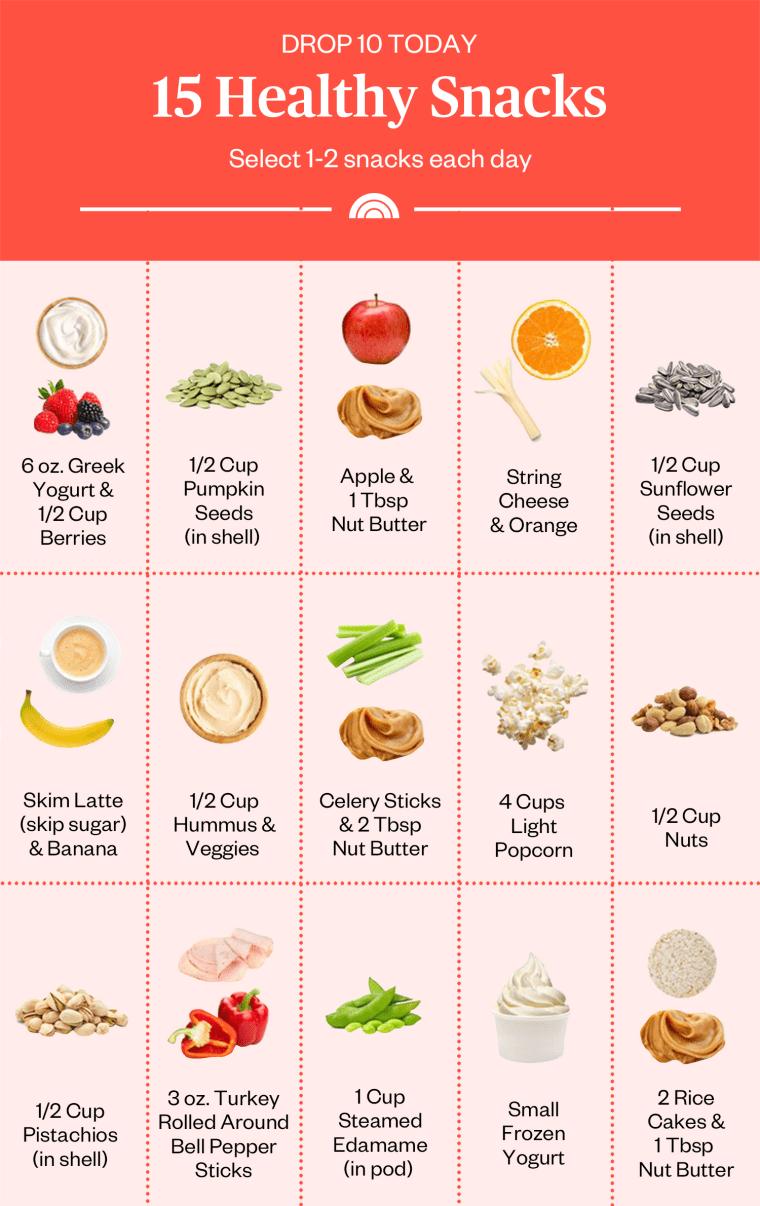
Embarking on a weight loss journey can feel daunting, but it doesn’t have to be a slog of bland foods and uninspired routines. In a world brimming with culinary possibilities, the path to a healthier you can be as colorful and tantalizing as your taste buds desire. “” invites you to explore a new philosophy in weight management—one that celebrates flavor, creativity, and the joy of cooking. Whether you’re a novice in the kitchen or a seasoned chef, this article will guide you through the art of meal planning with innovative recipes and thoughtful strategies, ensuring that every bite brings you closer to your goals without sacrificing satisfaction. Discover how to blend nutrition with imagination, transforming your meals into delicious works of art that nourish both body and soul. Let’s embark on this flavorful journey together, reshaping the narrative of weight loss from a restrictive chore to an expressive culinary adventure.
Table of Contents
- Exploring Nutrient-Dense Ingredients for Effective Meal Planning
- Building Balanced Plates: Macronutrient Strategies for Sustainable Weight Loss
- Flavorful Cooking Techniques to Enhance Your Healthy Meals
- Crafting a Flexible Meal Plan: Tips for Long-Term Success and Variety
- Key Takeaways
Exploring Nutrient-Dense Ingredients for Effective Meal Planning
When it comes to effective meal planning, incorporating nutrient-dense ingredients is essential for creating delicious and satisfying dishes while promoting weight loss. By focusing on foods that are rich in vitamins, minerals, and fiber, you can craft meals that keep you feeling full longer and energized throughout the day. Here are some key ingredients to consider including in your meal plans:
- Leafy Greens: Spinach, kale, and Swiss chard are low in calories yet high in essential nutrients.
- Whole Grains: Quinoa, brown rice, and farro provide complex carbohydrates that are beneficial for sustained energy.
- Lean Proteins: Chicken breast, fish, and legumes like lentils and chickpeas help support muscle repair and growth.
- Berries: Blueberries, strawberries, and raspberries offer a balance of sweetness and antioxidants.
Combining these ingredients in thoughtful ways can elevate your meal prep game. For instance, try creating a colorful salad bowl featuring quinoa, kale, and grilled chicken, topped with a handful of mixed berries for a refreshing twist. You might even consider batch-cooking components like brown rice and roasted vegetables to make assembly easier during the busy workweek. Below is a simple table illustrating a few creative meal combinations that can help you stay on track with your weight loss goals:
| Meal Type | Ingredients | Nutritional Highlight |
|---|---|---|
| Breakfast | Oatmeal topped with berries and a sprinkle of chia seeds | High in fiber and omega-3s |
| Lunch | Quinoa salad with black beans, corn, and avocado | Rich in protein and healthy fats |
| Dinner | Grilled salmon with steamed broccoli and sweet potatoes | Packed with omega-3 fatty acids and vitamins |
Building Balanced Plates: Macronutrient Strategies for Sustainable Weight Loss
When it comes to achieving sustainable weight loss, understanding the role of macronutrients is essential. A balanced plate should incorporate a thoughtful mix of proteins, carbohydrates, and fats. By focusing on whole, nutrient-dense foods, you can create meals that not only satisfy your hunger but also provide lasting energy. Here’s how to craft your meals:
- Proteins: Opt for lean sources like chicken, turkey, fish, beans, and low-fat dairy.
- Carbohydrates: Choose complex carbs such as whole grains, vegetables, and legumes that are high in fiber.
- Fats: Include healthy fats from avocados, nuts, seeds, and olive oil, which can help curb cravings.
Portion control plays a pivotal role in maintaining a balanced approach. Utilizing visual cues can be helpful in managing serving sizes. For instance, a simple guide involves using your plate to allocate space appropriately for each macronutrient. Here’s a quick reference table to help visualize the ideal distribution:
| Food Group | Serving Size | Plate Space (%) |
|---|---|---|
| Proteins | 3-4 ounces | 25 |
| Carbohydrates | 1/2 cup cooked | 45 |
| Vegetables | 1 cup raw or cooked | 30 |
Flavorful Cooking Techniques to Enhance Your Healthy Meals
To elevate the flavor of your healthy meals without adding unnecessary calories, consider incorporating various cooking techniques that enhance the natural taste of your ingredients. For instance, grilling not only imparts a smoky depth but also helps to retain the nutrients in vegetables, making them a perfect side to lean proteins. Similarly, roasting brings out the sweetness in root vegetables, creating a delicious caramelization that satisfies the palate. Other techniques like steaming and sautéing can preserve the bright colors and textures of your ingredients, ensuring a visually appealing dish that excites the senses.
In addition to these classic methods, experiment with marinating proteins and vegetables to infuse them with vibrant flavors. Using herbs, spices, and citrus can transform a simple grilled chicken into a culinary masterpiece. To give an added dimension to your meals, try blending cooked ingredients into flavorful sauces or soups. The table below outlines a few delicious flavor-enhancing techniques along with the recommended foods for each:
| Technique | Recommended Foods |
|---|---|
| Grilling | Chicken, zucchini, bell peppers |
| Roasting | Carrots, sweet potatoes, Brussels sprouts |
| Steaming | Broccoli, green beans, asparagus |
| Marinating | Tofu, shrimp, eggplant |
| Sautéing | Mushrooms, spinach, bell pepper |
Crafting a Flexible Meal Plan: Tips for Long-Term Success and Variety
Creating a meal plan that remains flexible is key to sustaining a healthy lifestyle without sacrificing variety. Start by determining a base list of whole foods that you enjoy, which can then be mixed and matched throughout the week. Developing a rotation of core ingredients—such as proteins, grains, and vegetables—can help streamline grocery shopping while allowing for numerous creative combinations. Consider organizing your meals according to themes, such as Meatless Mondays, Taco Tuesdays, or Stir-Fry Saturdays. This not only helps maintain enthusiasm for your meals but also provides structure, making planning easier and more enjoyable.
To promote balance and ensure nutritional diversity, incorporate seasonal produce into your plan. You can create a simple template to facilitate this, varying your chosen items weekly. For example, select two proteins, two grains, and three vegetables to inspire your dishes. Below is a sample table that illustrates how to organize these components effectively:
| Proteins | Grains | Vegetables |
|---|---|---|
| Chicken | Quinoa | Spinach |
| Tofu | Brown Rice | Broccoli |
| Salmon | Farro | Bell Peppers |
By regularly updating your selections in this table format, you’ll keep your meals exciting while still adhering to your health goals. Allowing for spontaneity and inspiration as seasons change will ensure that your eating habits transform into a satisfying journey rather than a restrictive routine.
Key Takeaways
As we conclude our journey through the vibrant world of creative weight loss meal plans, we hope you find inspiration in the myriad of possibilities that lie ahead. Remember, the path to wellness is not just about the destination; it’s about embracing the process with curiosity and creativity. By blending flavors, textures, and colors, you can transform everyday meals into delightful experiences that nourish both body and soul.
Take the tools and ideas presented here, and let them ignite your imagination as you craft your unique culinary adventure. Whether you’re experimenting with new ingredients, trying out fresh recipes, or discovering innovative ways to make healthy eating enjoyable, the power to shape your path is in your hands. Here’s to finding joy in your meals and celebrating each step toward your goals. Happy cooking and even happier eating!