


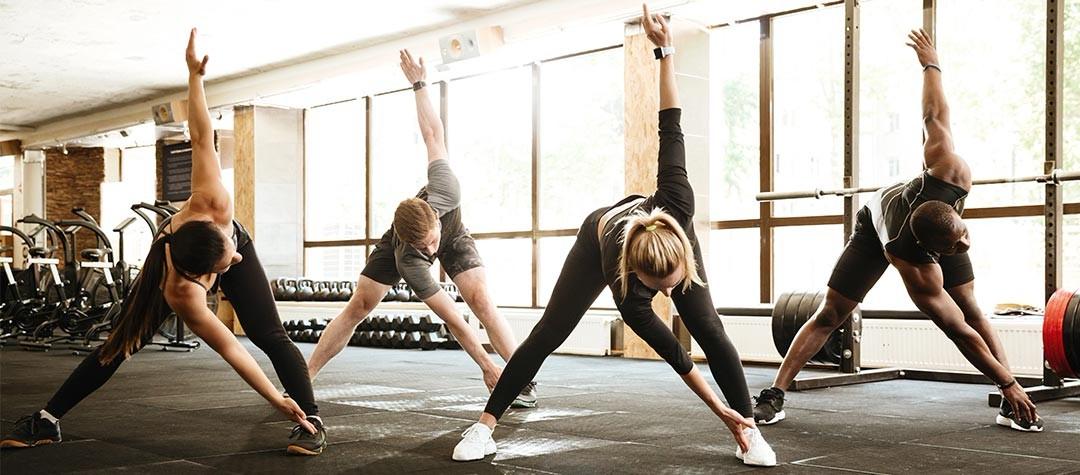
Hey there, fitness enthusiasts and aspiring yogis! Are you tired of feeling stiff as a board after your workouts? Or maybe you’ve seen those incredible Instagram models effortlessly twisting and turning in ways that make your jaw drop. Well, it’s time to get bendy! Flexibility training is not just for dancers or gymnasts; it’s for everyone who wants to enhance their mobility, improve their overall performance, and yes, even reduce the risk of injuries. In this article, we’re diving into the ins and outs of flexibility training—what it is, why you need it, and how to incorporate it into your routine. Whether you’re a seasoned athlete or just starting out on your fitness journey, we’ve got all the tips, tricks, and stretches you need to help you double down on your flexibility goals. Let’s stretch our way to a healthier, more limber you!
Table of Contents
- Exploring the Benefits of Flexibility Training for Everyone
- Key Stretching Techniques to Improve Your Range of Motion
- How to Create a Balanced Flexibility Routine for Optimal Results
- Common Mistakes to Avoid in Your Flexibility Journey
- To Wrap It Up
Exploring the Benefits of Flexibility Training for Everyone
Flexibility training offers a multitude of benefits that go beyond simply improving your range of motion. By incorporating stretches and mobility exercises into your routine, you can enhance your overall physical performance. This training can lead to better posture, reduced muscle tension, and improved body alignment. Regular flexibility work can also help prevent injuries by preparing your muscles and joints for the demands of daily activities and exercise. Here are some key advantages:
- Increased Mobility: Move more freely and comfortably in your everyday life.
- Enhanced Athletic Performance: Better flexibility can translate into improved speed and agility.
- Stress Relief: Stretching can be a calming practice, helping to release accumulated tension.
- Improved Circulation: Promotes better blood flow, which can aid recovery and overall health.
Getting bendy isn’t just for serious athletes; it’s an essential practice for everyone! Flexibility training can be easily adapted to fit various lifestyles and levels of fitness, making it accessible for all ages. Whether you’re a busy professional, a parent, or someone enjoying retirement, integrating flexibility exercises into your daily routine can lead to immediate benefits. Check out this quick table outlining the types of flexibility training:
| Type of Flexibility Training | Description |
|---|---|
| Static Stretching | Holding a stretch for a period to lengthen muscles. |
| Dynamic Stretching | Movement-based stretches that improve mobility before activities. |
| PNF Stretching | A technique combining stretching and contraction for greater flexibility. |
| Yoga | Combines flexibility, strength, and mental focus through postures. |
Key Stretching Techniques to Improve Your Range of Motion
To boost your flexibility journey, incorporating a variety of stretching techniques is essential. Here are some effective methods that are bound to help loosen those tight muscles:
- Static Stretching: Hold a stretch for 15-60 seconds to increase flexibility in specific areas. Great for post-workout.
- Dynamic Stretching: Perform movements that gradually increase reach and speed. Ideal as a warm-up before workouts.
- PNF Stretching: Use a partner or an object to achieve deeper stretches through a contract-release method.
- Active Stretching: Engage your muscles to stretch other muscles without assistance, enhancing overall body control.
In addition to these techniques, it’s important to practice them consistently and listen to your body. You can track your progress using a simple table to note down improvements over time:
| Technique | Frequency | Notes |
|---|---|---|
| Static Stretching | 3-4 times a week | Best when added to cooldown. |
| Dynamic Stretching | Before every workout | Increases blood flow. |
| PNF Stretching | 2-3 times per week | Requires a partner. |
| Active Stretching | 2-3 times per week | Improves strength and flexibility. |
How to Create a Balanced Flexibility Routine for Optimal Results
Creating a balanced flexibility routine involves setting achievable goals while ensuring a mix of different stretching techniques to target various muscle groups. Start by incorporating dynamic stretches to warm up the body and improve blood flow. Some great options include arm circles, leg swings, and torso twists. Following your warm-up, integrate static stretches that focus on major muscle areas like the hamstrings, quadriceps, hip flexors, and back. Hold each stretch for 15-30 seconds, breathing deeply and focusing on releasing tension. Aim for a routine that includes:
- Dynamic stretches (5-10 minutes)
- Static stretches (15-20 minutes)
- Proprioceptive neuromuscular facilitation (PNF) stretching (optional, 5-10 minutes)
To monitor your progress effectively, consider creating a simple tracking table to log your flexibility improvements. Note how each muscle group feels before and after your routine, and keep track of how long you can hold each stretch. Here’s a quick example:
| Muscle Group | Before Routine | After Routine |
|---|---|---|
| Hamstrings | 20° | 45° |
| Shoulders | 30° | 55° |
| Hip Flexors | 25° | 50° |
Consistency is key! Stick to your routine 2-3 times a week, and gradually increase the duration and intensity of your stretches for the best results.
Common Mistakes to Avoid in Your Flexibility Journey
Embarking on a flexibility journey can be exciting, but it’s easy to stumble into a few common pitfalls that can hinder your progress. One common mistake is overstretching. Many people believe that pushing their bodies to the limit will yield faster results, but this can lead to injury and setbacks. Instead, focus on gradual improvement; holding stretches for longer periods of time at a gentle intensity can be much more beneficial. Another frequent error is neglecting warm-ups. Skipping the warm-up can leave your muscles cold and tight, reducing your ability to stretch effectively. Always include dynamic movements beforehand to prepare your body for deeper stretches.
Consistency is key in flexibility training, yet many enthusiasts fall into the trap of inconsistent practice. Trying to cram all stretching into short bursts sporadically won’t provide the same results as a dedicated, regular routine. Aim for a balanced schedule, allowing for enough rest and recovery without going too long between stretching sessions. Additionally, a lack of proper alignment can also lead to ineffective stretching. Focus on form to ensure that you’re targeting the right muscle groups effectively; using mirrors or recording yourself can help check your alignment. Remember: it’s about quality over quantity!
To Wrap It Up
And there you have it—everything you need to know to kickstart your flexibility training journey! Whether you’re a seasoned yogi, a gym-goer looking to tone and stretch, or just someone wanting to touch their toes without feeling like a pretzel, incorporating flexibility exercises into your routine can make a world of difference. Remember, it’s all about consistency and listening to your body. Start slow, enjoy the process, and before you know it, you’ll be impressing friends with your newfound bendiness! So grab your mat, crank up your favorite playlist, and let’s get to stretching! Happy bending!