


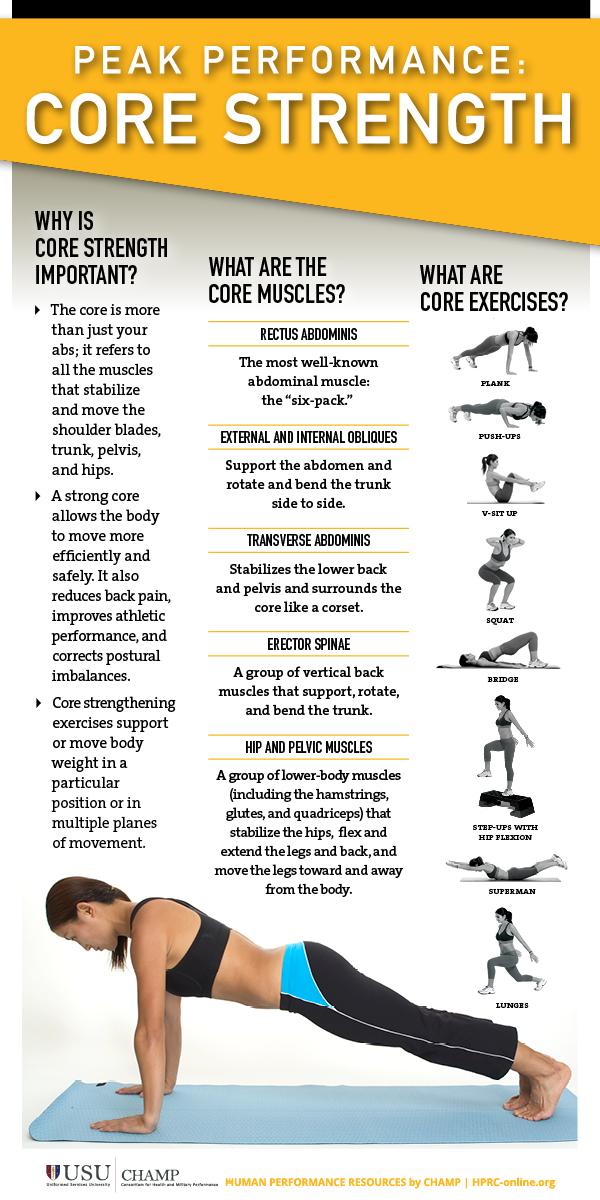
Achieving a strong core is about more than just hitting the gym; it requires a holistic approach that intertwines effective exercise with proper nutrition. Your core, which includes the muscles in your abdomen, lower back, and pelvis, plays a pivotal role in nearly every movement you make. Whether you’re lifting heavy weights, performing daily activities, or engaging in athletic pursuits, a strong core enhances stability, balance, and overall performance. However, many individuals underestimate the impact of nutrition on their core strength training efforts. In this article, we will explore the essential nutrients that fuel your workouts, promote muscle recovery, and support the development of a powerful midsection. By understanding the relationship between core training and nutrition, you can enhance your results and work towards achieving the strong, stable core you desire. Let’s delve into the crucial dietary components that will help you unlock your full potential in core strength training.
Table of Contents
- Understanding the Role of Macronutrients in Core Strength Building
- Essential Vitamins and Minerals to Support Muscle Function and Recovery
- Hydration Strategies for Enhanced Performance and Core Stability
- Pre and Post-Workout Nutrition for Maximizing Training Efficacy
- In Summary
Understanding the Role of Macronutrients in Core Strength Building
To build core strength effectively, it’s essential to focus on the three primary macronutrients: proteins, carbohydrates, and fats. Each of these plays a distinct and crucial role in supporting your training regimen. Proteins are the building blocks of muscle, helping to repair and build the abdominal and stabilizing muscles engaged during core workouts. Aiming for lean protein sources like chicken, fish, legumes, and tofu can maximize recovery and muscle growth post-exercise. Meanwhile, carbohydrates serve as the body’s primary energy source. Consuming complex carbohydrates such as whole grains, fruits, and vegetables provides sustained energy levels, ensuring that you can power through rigorous core activities and maintain optimal performance during extended workouts.
In addition to proteins and carbohydrates, healthy fats are vital for overall well-being and muscle function. They help in hormone production and nutrient absorption, which are essential for muscle recovery. Incorporating sources of healthy fats like avocados, nuts, seeds, and olive oil into your diet can also provide additional energy. To assist in meal planning, consider the following table as a guideline to ensure you’re getting the right balance of macronutrients:
| Macronutrient | Suggested Foods | Recommended Daily Intake (% of total calories) |
|---|---|---|
| Proteins | Chicken, fish, legumes, tofu | 10-35% |
| Carbohydrates | Whole grains, fruits, vegetables | 45-65% |
| Fats | Avocados, nuts, seeds, olive oil | 20-35% |
Essential Vitamins and Minerals to Support Muscle Function and Recovery
When it comes to enhancing muscle function and recovery, certain vitamins and minerals play a crucial role. These essential nutrients not only aid in muscle contraction and metabolism but also help reduce muscle soreness and improve overall athletic performance. Incorporating a variety of these nutrients into your diet can support your core strength training efforts significantly. Key players include:
- Magnesium: This mineral helps in muscle relaxation and reduces cramping.
- Calcium: Vital for muscle contraction and plays an important role in sending signals from the nervous system to the muscles.
- Vitamin D: Essential for calcium absorption, contributing to optimal muscle function.
- Vitamin B6: Important for protein metabolism and energy production.
- Zinc: Supports muscle recovery and immune function.
To simplify your nutritional planning, consider the following table that highlights food sources rich in these vital nutrients:
| Nutrient | Food Sources |
|---|---|
| Magnesium | Spinach, Nuts, Whole Grains |
| Calcium | Dairy Products, Leafy Greens, Fortified Foods |
| Vitamin D | Fatty Fish, Fortified Dairy, Sunlight |
| Vitamin B6 | Chicken, Fish, Potatoes, Bananas |
| Zinc | Meat, Shellfish, Legumes, Seeds |
By prioritizing a diet rich in these essential vitamins and minerals, you can optimize your muscle function and enhance recovery, paving the way for improved results in your core strength training regimen.
Hydration Strategies for Enhanced Performance and Core Stability
Hydration plays a crucial role in maintaining peak performance, particularly during core strength training. When the body is well-hydrated, it can regulate temperature more effectively, enhance circulation, and support muscle function. To maximize your training sessions, consider the following hydration strategies:
- Pre-Workout Hydration: Aim to consume 16-20 ounces of water at least two hours before exercising to ensure optimal hydration levels.
- During Training: Drink 7-10 ounces of water every 10-20 minutes while you train to prevent dehydration.
- Post-Workout Recovery: Replenish lost fluids by consuming 16-24 ounces of water or a rehydration solution within 30 minutes after your workout.
To further enhance your hydration strategy, consider incorporating electrolyte-rich beverages, especially during intense sessions or prolonged workouts. These can help restore the balance of minerals lost through sweat. Here’s a simple comparison of hydration options:
| Beverage | Electrolytes | Calories |
|---|---|---|
| Water | None | 0 |
| Coconut Water | High | 30 |
| Sports Drink | Moderate | 50 |
By implementing effective hydration strategies, you can significantly enhance your core stability training outcomes, leading to improved performance and overall strength.
Pre and Post-Workout Nutrition for Maximizing Training Efficacy
For *optimal core strength training*, pre-workout nutrition is all about fueling your body effectively. Key components to consider include:
- Complex Carbohydrates: Foods like oats, whole grains, and sweet potatoes provide sustained energy.
- Lean Proteins: Options such as chicken, fish, or plant-based sources help support muscle repair and growth.
- Hydration: A well-hydrated body improves performance; aim for water or electrolyte-rich drinks.
Post-workout nutrition shifts focus to recovery, where replenishing nutrients is crucial. Important elements include:
- Protein: Consuming protein-rich foods or shakes within 30 minutes aids in muscle recovery.
- Simple Carbohydrates: Incorporating fruits or recovery drinks helps to replenish glycogen stores.
- Healthy Fats: Foods like avocados and nuts can support overall recovery and reduce inflammation.
In Summary
optimizing your core strength training results goes beyond just the exercises you perform; it hinges on the nutritional choices you make as well. By fueling your body with the right balance of macronutrients—proteins, carbohydrates, and healthy fats—you provide the essential building blocks for muscle repair, energy sustenance, and overall performance. Equally important are micronutrients, which play a crucial role in recovery and maintaining energy levels.
Remember, consistency is key not only in your workouts but also in your eating habits. Prioritize whole, nutrient-dense foods, stay hydrated, and listen to your body’s signals to ensure you’re supporting your core training effectively. With the right nutrition plan tailored to your specific needs and goals, you can maximize your strength gains and enhance your overall fitness journey.
So, as you embark on or continue your core strength training regimen, take a moment to reflect on how your diet complements your workout routine. With the right approach to nutrition, you’re not just building a stronger core; you’re laying the groundwork for a healthier, more resilient body. Stay committed, stay informed, and enjoy the fruits of your labor as you unlock your true potential!