


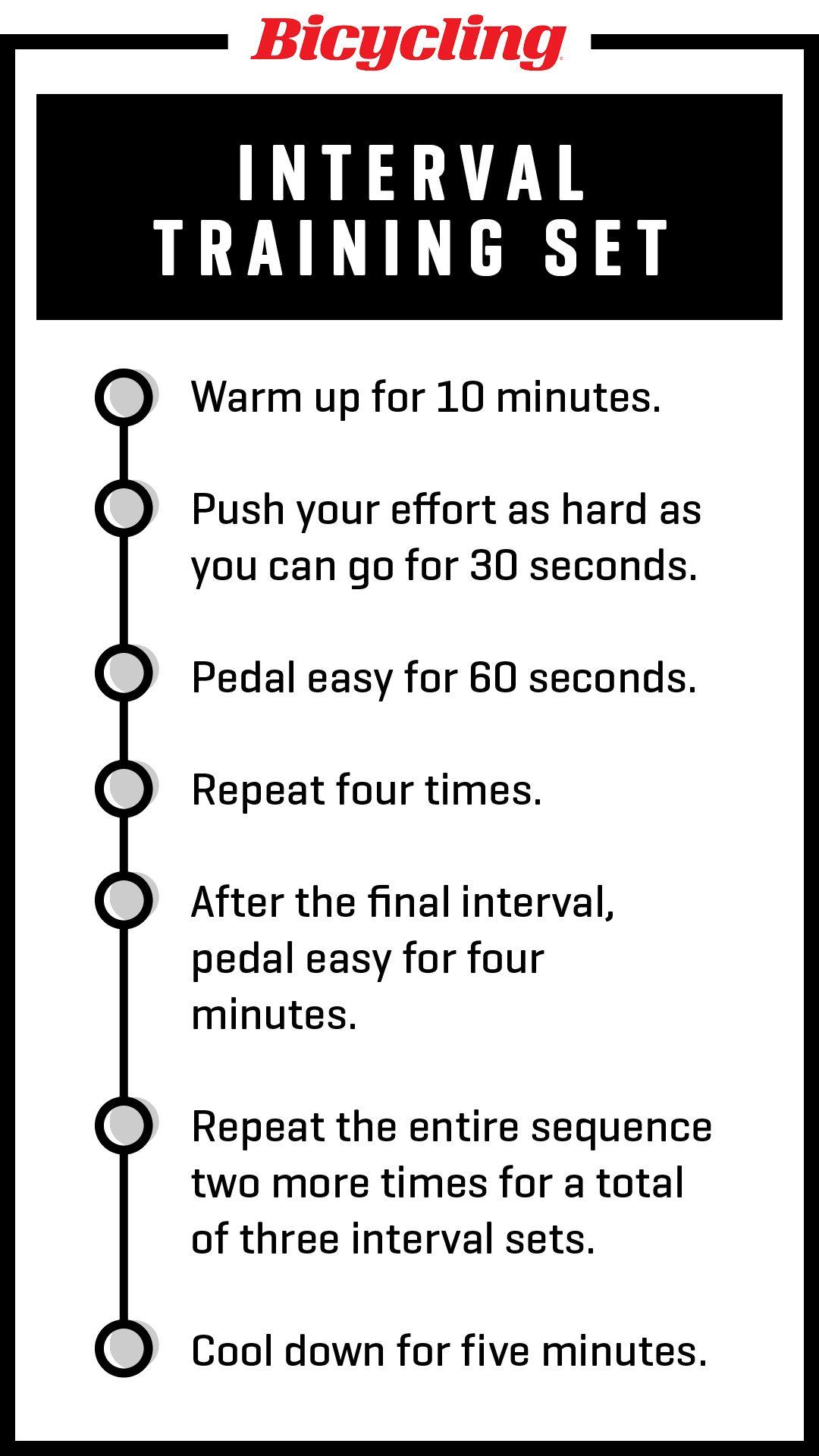
In an age where time is of the essence and fitness goals often feel elusive, the quest for an efficient workout routine can seem daunting. Enter interval cardio workouts—a dynamic approach that promises to rev up your fitness journey and deliver results that are both swift and sustainable. Combining bursts of high-intensity effort with periods of rest or lower intensity, these workouts not only elevate your heart rate but also challenge your body in a way that can spark quick improvements in endurance and strength. Whether you’re a seasoned athlete or just beginning to explore the world of fitness, interval training offers a versatile solution that can easily fit into any lifestyle. In this article, we’ll delve into the science behind interval cardio, explore its myriad benefits, and provide practical tips to help you harness its power for your own fitness transformation. Get ready to step into a world where sweat meets satisfaction, and results are just a heartbeat away.
Table of Contents
- Maximizing Your Workouts with Interval Training Techniques
- Understanding the Science Behind Interval Cardio for Optimal Results
- Tailoring Your Routine: Customizing Intervals for Your Fitness Level
- Tracking Progress and Motivation: Staying Committed to Your Fitness Journey
- In Summary
Maximizing Your Workouts with Interval Training Techniques
Interval training, characterized by alternating bursts of high-intensity effort with periods of lower intensity or rest, is a powerful technique that can transform your workouts. This method not only enhances cardiovascular fitness but also maximizes calorie burn in a shorter time frame, making it ideal for those with a busy schedule. Some popular forms of interval training include:
- Tabata Intervals: 20 seconds of intense work followed by 10 seconds of rest, repeated for four minutes.
- Fartlek Runs: Combining sprinting and jogging at varying intervals, seamlessly integrated into a continuous run.
- HIIT Circuits: A mix of bodyweight exercises performed at high intensity for short durations.
To put these strategies into practice, consider tracking your progress with a simple table to keep motivated and accountable. Here’s a basic weekly plan to guide your interval workouts:
| Day | Workout Type | Duration |
|---|---|---|
| Monday | Tabata Sprints | 20 min |
| Wednesday | Fartlek Run | 30 min |
| Friday | HIIT Full Body Circuit | 25 min |
With consistent practice, intervals not only improve your staminain during cardio but can create an engaging and challenging environment that keeps your energy levels high. Embrace these methods and watch your fitness soar!
Understanding the Science Behind Interval Cardio for Optimal Results
When it comes to maximizing your cardio workout, understanding the science behind interval training can be a game-changer. Interval cardio, which alternates periods of high-intensity exercise with low-intensity recovery, stimulates various energy systems in the body. This type of training not only enhances cardiovascular endurance but also promotes better fat burning. By pushing your body through brief bursts of vigorous activity, you tap into the anaerobic energy system, which helps improve your overall strength and power. The intensity prompts your body to adapt, resulting in enhanced metabolic rate—even post-workout, you can continue to burn calories well after you’ve finished exercising.
Moreover, interval training leverages the principle of progressive overload. By consistently varying the intensity and duration of your intervals, you challenge your muscles and cardiovascular system in new ways. This leads to continuous improvement without plateauing. Consider the following benefits of incorporating intervals into your routine:
- Enhanced calorie burn: More efficient fat loss compared to steady-state cardio.
- Time-saving: Shorter workouts with similar or greater results.
- Improved aerobic capacity: Boosts your stamina for longer workouts.
| Interval Duration | Intensity Level | Example Exercise |
|---|---|---|
| 30 seconds | High | Sprint |
| 1 minute | Moderate | Jog |
| 90 seconds | Low | Walk |
Tailoring Your Routine: Customizing Intervals for Your Fitness Level
Interval training is all about finding the right balance that suits your fitness level, maximizing efficiency and results. To tailor your workout effectively, consider your current capabilities and set achievable goals. For beginners, starting with shorter intervals, such as 20 seconds of activity followed by 40 seconds of rest, can help build endurance without risking injury. As you progress, gradually increase the intensity and duration of your work intervals, moving to a 30:30 or 40:20 work-to-rest ratio as your fitness improves. Here are some tips to help customize your routine:
- Assess your fitness level: Start with moderate activities that don’t overwhelm you.
- Progressively challenge yourself: Use the principle of progressive overload, gradually making your workouts harder.
- Incorporate variety: Mix different types of exercises, such as sprinting, cycling, or bodyweight moves to keep things engaging.
For those more advanced in their fitness journey, customizing your intervals can mean pushing the limits further. Consider experimenting with different interval structures to see what works best for you. You may implement tabata-style intervals, where you work intensely for 20 seconds followed by 10 seconds of rest, or increase the duration of work intervals to 1 minute with 1 minute of rest. Use the following table for a quick reference on different interval approaches:
| Interval Type | Work Duration | Rest Duration |
|---|---|---|
| Beginner | 20 seconds | 40 seconds |
| Intermediate | 30 seconds | 30 seconds |
| Advanced | 1 minute | 1 minute |
Ultimately, the key is to listen to your body while blending both intensity and recovery in your regimen. This ensures your workouts remain not only effective but also enjoyable, paving the way for sustained fitness gains.
Tracking Progress and Motivation: Staying Committed to Your Fitness Journey
Tracking your progress is crucial to staying on course with your fitness goals. By regularly monitoring your workouts, you can identify what works for you and what needs adjustment. Consider these approaches to keep your motivation high:
- Keep a Journal: Document your workouts, noting the duration, intensity, and how you felt. This reflection can provide insights and spark motivation.
- Set Milestones: Establish short-term goals that lead to your ultimate objective. Celebrate these accomplishments to reinforce your commitment.
- Use Technology: Fitness apps and wearable devices can track your heart rate, calories burned, and more, giving you real-time feedback on your efforts.
Maintaining motivation requires more than just tracking your progress; it’s also about creating a supportive environment. Surround yourself with individuals who inspire you, whether online or in person. Engage in community activities to make your fitness journey enjoyable:
- Join Group Classes: These create accountability and provide a shared sense of purpose.
- Buddy Up: Partner with a friend for workouts to maintain enthusiasm and support one another.
- Participate in Challenges: Engage in fitness challenges that push your limits while fostering camaraderie.
| Activity | Benefit |
|---|---|
| Interval Training | Boosts endurance and burns calories efficiently |
| Group Workouts | Enhances motivation through shared experiences |
| Fitness Apps | Provides personalized tracking and insights |
In Summary
interval cardio workouts offer a dynamic approach to fitness that caters to a variety of lifestyles and goals. By incorporating bursts of intensity into your routine, you can elevate your heart rate, maximize calorie burn, and push your cardiovascular limits—all in a fraction of the time that traditional workouts demand. Whether you’re a seasoned athlete or just beginning your fitness journey, the beauty of interval training lies in its adaptability. So why not rev up your fitness regime today? Embrace the challenge and experience the transformation that comes from working smarter, not harder. Remember, the road to achieving your health and fitness goals is not a sprint but a series of purposeful intervals that can lead to remarkable results. Happy sweating!