


In a world increasingly obsessed with quick fixes and instant transformations, the notion of losing weight often seems shrouded in mystery and confusion. Advertisements tout miracle diets and cutting-edge supplements, leading many to chase fleeting results rather than understanding the fundamental principles of nutrition. At the heart of effective weight loss lies a simple yet profound concept: the calorie deficit. This article invites you to embark on a journey into this essential aspect of weight management. By demystifying the science behind calorie intake and expenditure, we aim to equip you with the knowledge necessary for achieving sustainable, healthy weight loss—without falling prey to the latest fads. So, let’s unravel the intricacies of calorie deficits together, paving the way for a healthier, more balanced relationship with food and body.
Table of Contents
- The Science Behind Calorie Deficits and Weight Loss
- Identifying Your Personal Caloric Needs for Effective Results
- Practical Strategies for Creating Sustainable Calorie Deficits
- Healthy Eating Habits to Support Your Weight Loss Journey
- In Summary
The Science Behind Calorie Deficits and Weight Loss
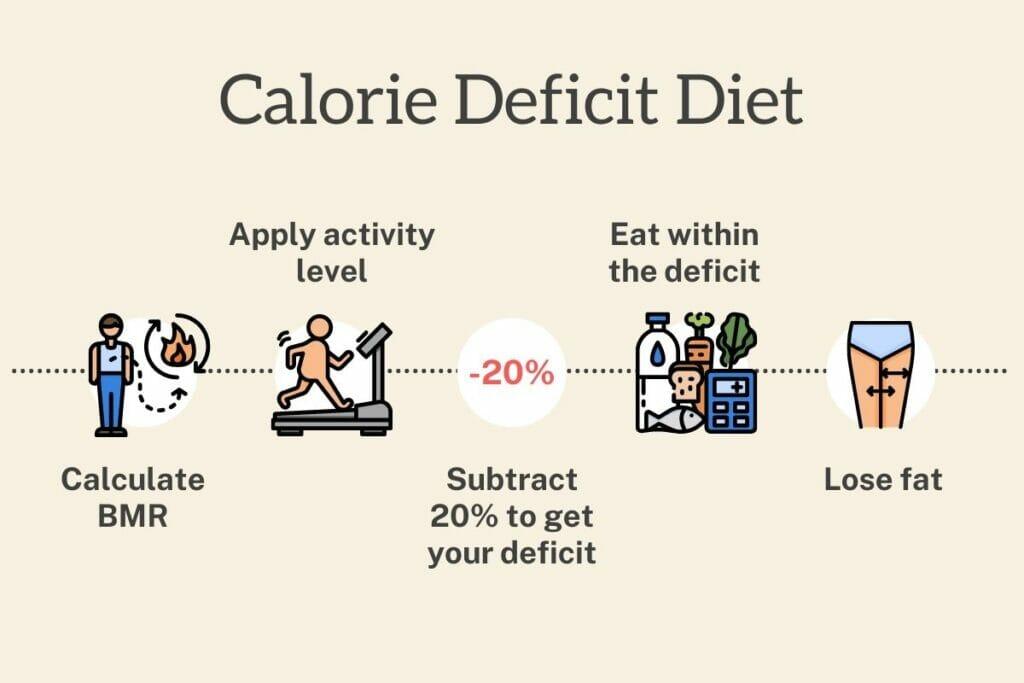
At the core of weight loss lies the concept of calorie balance: the relationship between calories consumed and calories expended. When you consume fewer calories than your body uses, you create a calorie deficit, which initiates the process of fat loss. This deficit can be established through a combination of dietary changes and increased physical activity. Understanding this mechanism involves recognizing the role of basal metabolic rate (BMR)—the number of calories your body needs to function at rest—and how factors such as age, sex, and body composition influence it. By calculating your total daily energy expenditure (TDEE), which accounts for your activity level, you can devise a more tailored approach to your calorie deficit strategy.
While creating a calorie deficit is essential for weight loss, it’s equally important to ensure that the approach is sustainable and healthy. This means focusing on nutrient-dense foods that support your overall well-being. Incorporating a variety of fruits, vegetables, lean proteins, and whole grains can help maintain energy levels while promoting a feeling of fullness. Consider these essential points when setting up a healthy calorie deficit:
- Prioritize Whole Foods: They offer essential nutrients without excessive calories.
- Monitor Portion Sizes: Being mindful of how much you eat is key.
- Stay Hydrated: Water can sometimes be mistaken for hunger.
- Regular Physical Activity: Increases calorie expenditure and builds muscle.
Identifying Your Personal Caloric Needs for Effective Results
To embark on a successful journey towards healthy weight loss, it is essential to first understand your individual caloric needs. These needs can vary based on several factors, including age, gender, weight, height, and activity level. To estimate your daily caloric requirements, you can employ the Mifflin-St Jeor Equation or use online calculators that incorporate your personal data. Once you have your baseline caloric needs, you can determine how many calories to consume for a deficit that promotes weight loss while still providing sufficient energy for daily activities.
Here are some important factors to consider when identifying your caloric needs:
- Resting Metabolic Rate (RMR): The number of calories your body needs at rest to maintain vital functions.
- Physical Activity Level (PAL): Consider how active you are during the day—this includes exercise, work, and daily chores.
- Fitness Goals: Define whether you aim for moderate weight loss or a more aggressive approach, which will affect your caloric targets.
Once you have calculated your necessary caloric intake, you can create a simple framework to track your daily consumption. Below is a sample table for reference:
| Activity Level | Caloric Requirement (Daily) |
|---|---|
| Sedentary | 1,600 – 2,000 |
| Moderately Active | 1,800 – 2,300 |
| Active | 2,200 – 2,800 |
Use this information as a launching point to tailor your diet effectively while ensuring you meet your body’s needs for sustained energy and nutrient intake.
Practical Strategies for Creating Sustainable Calorie Deficits
Creating a sustainable calorie deficit doesn’t have to feel like an uphill battle. Start by making small, manageable changes to your diet and physical activity levels. For instance, swap out high-calorie snacks for healthier options such as fruits, vegetables, or nuts. Also, consider increasing your daily activity by incorporating more movement into your routine. This can be as simple as taking the stairs instead of the elevator or enjoying a brisk walk during your lunch break. Establishing these small habits can lead to significant changes over time without overwhelming your body.
Another effective strategy is to track your food intake and exercise patterns. Utilizing a food diary or a mobile app can help you identify areas where you may be consuming extra calories. Focus on keeping track of portion sizes, especially for high-calorie meals. Additionally, maintain a balanced meal plan that includes a variety of nutrients—proteins, healthy fats, and complex carbohydrates—to enhance satiety and nutritional value. Here’s a simple idea for a weekly meal plan:
| Day | Breakfast | Lunch | Dinner |
|---|---|---|---|
| Monday | Oatmeal with fruits | Grilled chicken salad | Quinoa and vegetables |
| Tuesday | Greek yogurt with nuts | Tuna wrap with veggies | Stir-fried tofu and broccoli |
| Wednesday | Smoothie with spinach | Lentil soup with salad | Baked salmon and asparagus |
Healthy Eating Habits to Support Your Weight Loss Journey
Embracing nutritious eating habits is essential for fostering a sustainable weight loss journey. Start by incorporating whole foods into your diet, such as fruits, vegetables, whole grains, lean proteins, and healthy fats. These foods are not only lower in calories but also packed with essential nutrients that help you feel fuller longer. Additionally, practice mindfully enjoying your meals, which can aid in recognizing hunger signals and prevent overeating. Some effective strategies to consider include:
- Planning meals ahead of time to avoid last-minute unhealthy choices
- Keeping healthy snacks on hand, like nuts or Greek yogurt
- Portion control through smaller plates to visually reduce serving sizes
Monitoring your food intake can significantly enhance your awareness of your caloric consumption and dessert options. Using a food diary or a mobile app can help track what you eat, making it easier to identify patterns that may need adjustment. To maintain a balanced diet while achieving a calorie deficit, focus on the following key meal components:
| Food Group | Examples | Portion Size |
|---|---|---|
| Fruits | Apples, Berries, Bananas | 1 cup or 1 medium piece |
| Vegetables | Spinach, Broccoli, Carrots | 1 cup raw or ½ cup cooked |
| Proteins | Chicken, Tofu, Lentils | 3-4 oz. cooked |
| Whole Grains | Brown rice, Quinoa, Whole wheat bread | ½ cup cooked grains or 1 slice of bread |
In Summary
As we draw the curtain on our journey through the world of calorie deficits, it’s essential to remember that weight loss is not just a numbers game—it’s a lifestyle transformation. Understanding how to create a sustainable calorie deficit can empower you to take control of your health and foster a relationship with food that nourishes rather than restricts.
Finding the balance that works for you is paramount; it’s about more than shedding pounds—it’s about cultivating habits that support your overall well-being. Whether you choose to count calories meticulously or opt for a more intuitive approach, the principles we’ve discussed can serve as your compass. Embrace this knowledge, experiment with your unique needs, and listen to your body.
In the grand tapestry of wellness, every thread counts, contributing to the vibrant design of your life. So step forward with confidence, armed with the understanding of calorie deficits, and embark on your path towards healthy weight loss. Here’s to your journey—may it be fulfilling, enlightening, and above all, healthy.