


In recent years, the emphasis on lower body strength training has gained significant traction within the fitness community. Among the various muscle groups targeted in these workouts, the quadriceps—commonly referred to as the quads—play a pivotal role in overall leg strength, mobility, and athletic performance. This article delves into the benefits of quad workouts, highlighting their importance for both athletes and casual fitness enthusiasts alike. We will explore effective techniques and exercises designed to enhance quad development, improve functionality, and contribute to overall physical well-being. By understanding the advantages and methods of quad training, individuals can better incorporate these workouts into their fitness routines, ultimately leading to improved performance and reduced risk of injury.
Table of Contents
- Understanding the Importance of Quadriceps Strength in Fitness
- Key Techniques for Effective Quad Workouts
- Incorporating Quad Exercises into a Balanced Training Routine
- Evaluating the Long-Term Benefits of Consistent Quad Training
- In Retrospect
Understanding the Importance of Quadriceps Strength in Fitness
The quadriceps, often referred to as the “quads,” are a group of four muscles located at the front of the thigh. They play a crucial role in various physical activities, from walking and running to jumping and squatting. Strengthening the quadriceps is essential for maintaining joint stability, especially the knee, which bears a significant amount of stress during movement. A strong set of quads can help prevent injuries, enhance athletic performance, and support overall body mechanics. Participants in sports will find that increased quad strength improves sprinting speed, jumping height, and overall agility, making it an essential area of focus in fitness regimens.
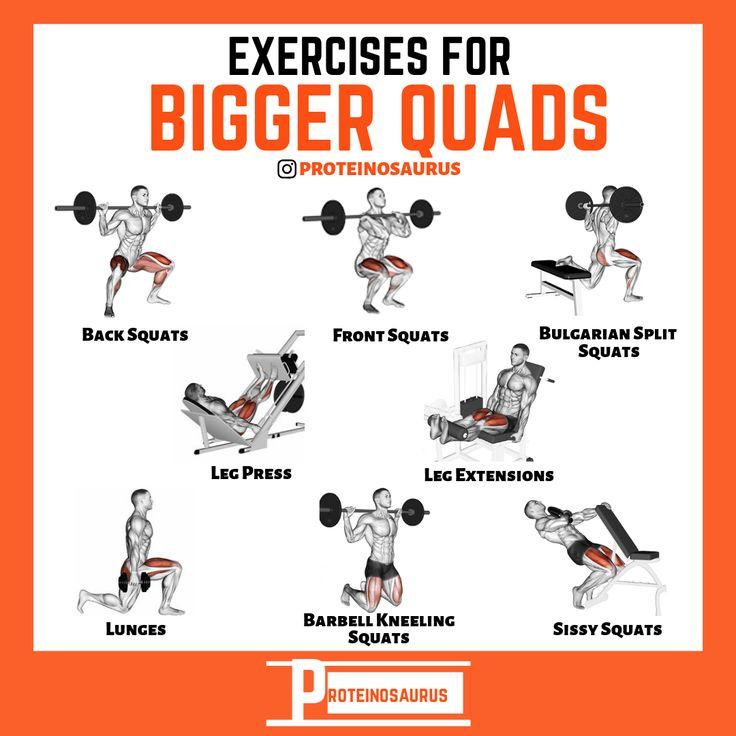
Incorporating quad-specific exercises into your workout routine can lead to numerous advantages. Some effective techniques to strengthen the quadriceps include:
- Squats
- Lunges
- Leg presses
- Step-ups
- Leg extensions
By targeting these exercises, individuals can create a balanced workout that benefits other muscle groups and promotes functional strength. Understanding how to perform these exercises with proper form is critical for maximizing results and reducing the risk of injury. Additionally, varying the intensity and incorporating other elements like resistance bands or weights can further challenge the quadriceps, enhancing strength and endurance over time.
Key Techniques for Effective Quad Workouts
To maximize the effectiveness of quad workouts, it is essential to focus on a few key techniques that can enhance muscle engagement and promote better form. Firstly, incorporating a variety of exercises can help target different parts of the quadriceps, ensuring comprehensive muscle development. Compound exercises like squats and lunges should be staples in any workout regimen, while isolation exercises such as leg extensions can be added for focused training. Additionally, using proper foot positioning can significantly impact muscle activation; for instance, a slightly wider stance during squats can better engage the inner quadriceps.
Moreover, using appropriate progressive overload techniques is crucial for continual strength gains. This can be achieved by gradually increasing weights or adjusting the number of repetitions and sets over time. Incorporating tempo training—lifting weights slowly and controlling the eccentric phase of the movement—can further enhance muscle hypertrophy. Lastly, ensuring adequate rest and recovery between workouts will allow for muscular repair and growth, enabling effective long-term progress. Here’s a quick overview of effective quad exercises:
| Exercise | Type | Target Area |
|---|---|---|
| Squats | Compound | Overall Quads |
| Leg Press | Compound | Outer Quads |
| Leg Extensions | Isolation | Inner Quads |
| Walking Lunges | Compound | Overall Quads |
Incorporating Quad Exercises into a Balanced Training Routine
Integrating quad exercises into a balanced training regimen can significantly enhance overall performance and physical aesthetics. Strong quadriceps are essential not only for athletes but also for anyone engaged in daily activities, as they contribute to stability, mobility, and power. Consider prioritizing a variety of quad-focused movements to avoid monotony and ensure comprehensive development. Some effective exercises include:
- Squats: A cornerstone of any leg workout, squats target multiple muscle groups, including the quads.
- Leg Press: This machine-based exercise allows for controlled heavy loading on the quads.
- Lunges: Variations such as forward, backward, and side lunges engage the quads while improving balance.
- Step-Ups: Using a raised platform, this movement emphasizes the quads and enhances functional strength.
Balancing quad workouts with posterior chain exercises, such as hamstring curls and deadlifts, can prevent muscular imbalances and reduce the risk of injury. It’s also crucial to incorporate stretching and mobility work for the hip flexors and quads to maintain flexibility. A weekly training plan might look like this:
| Day | Workout Focus |
|---|---|
| Monday | Quad Strength (Squats, Leg Press) |
| Wednesday | Hamstring and Glute Strength |
| Friday | Balanced Leg Day (Lunges, Step-Ups) |
This regimen not only emphasizes the importance of quad strength but also maintains a holistic approach to leg health and performance. By ensuring that all major muscle groups are engaged adequately, individuals can achieve well-rounded fitness goals that support both everyday activities and athletic pursuits.
Evaluating the Long-Term Benefits of Consistent Quad Training
Long-term commitment to quad training yields a plethora of benefits that extend beyond mere aesthetics. Regularly engaging these muscle groups not only enhances leg strength but also contributes significantly to overall physical performance. The quadriceps play a pivotal role in various movements, such as running, squatting, and jumping, which are essential in both daily activities and competitive sports. The accumulated strength can lead to improved stability in the knees and hip joints, thereby reducing the risk of injury over time. This aspect is particularly critical for athletes and those involved in rigorous physical training, as stronger quads can bolster performance and longevity in their respective activities.
Furthermore, consistent quad workouts can influence metabolic health positively. Increased muscle mass in the quadriceps can lead to a higher resting metabolic rate, which aids in efficient energy consumption and weight management. Research suggests that strength training, including targeted quad workouts, enhances insulin sensitivity and contributes to better regulation of blood sugar levels. To illustrate this, consider the table below, which highlights the metabolic impact based on different training frequencies:
| Training Frequency | Average Metabolic Rate Increase (%) |
|---|---|
| 1x per week | 2-3% |
| 2x per week | 4-6% |
| 3x per week | 7-10% |
Moreover, the mental benefits of consistently training the quadriceps should not be overlooked. As individuals notice improvements in their physical capabilities, self-efficacy and confidence typically increase. This positive reinforcement can encourage a more active lifestyle, leading to further health benefits. Relative ease of implementation makes quad training accessible; exercises such as squats, lunges, and leg presses can be performed in various settings, equipping individuals with the means to incorporate these workouts into their routines seamlessly. The cumulative effects of committing to quad training can thus promote a holistic approach to fitness, emphasizing not only muscular strength but also overall well-being.
In Retrospect
quad workouts present a myriad of benefits for individuals aiming to enhance their lower body strength, improve athletic performance, and support overall physical well-being. By incorporating a variety of techniques—ranging from squats and lunges to more specialized movements—it is possible to effectively target and develop the quadriceps muscles. As with any exercise regimen, it is essential to approach these workouts with proper form and technique to minimize the risk of injury and maximize results. Whether you are a seasoned athlete or a beginner, integrating quad-focused exercises into your fitness routine can contribute significantly to achieving your health and fitness goals. As you explore these benefits and techniques, remember that consistency and progression are key to reaping the full rewards of your efforts.