


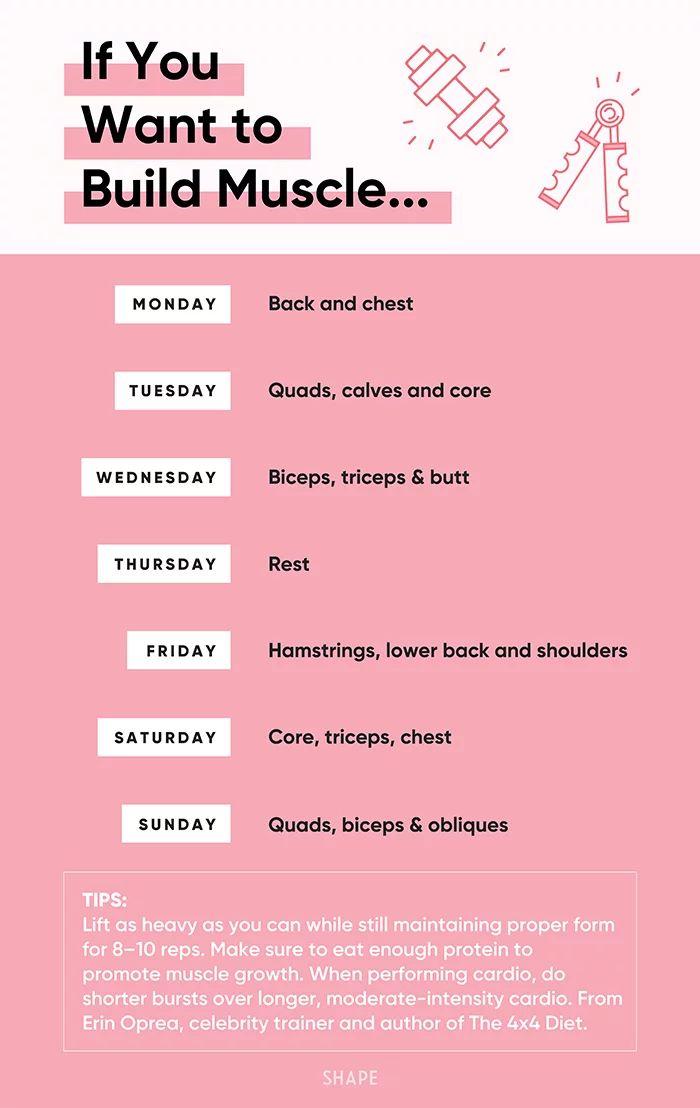
In the quest for improved fitness and physical well-being, muscle gain remains a primary objective for many individuals. Whether motivated by aesthetic goals, enhanced athletic performance, or overall health improvements, the pursuit of increased muscle mass is a common aim among gym-goers and fitness enthusiasts alike. Effective workout routines play a crucial role in achieving this goal, as they provide structured approaches tailored to stimulate muscle growth through resistance and strength training. This article will explore various workout strategies, scientifically supported techniques, and essential principles of exercise programming that can optimize muscle development. By examining factors such as frequency, intensity, volume, and recovery, readers will gain insight into how to design and implement effective workout routines that promote muscle gain, ultimately aiding in their fitness journey.
Table of Contents
- Understanding Muscle Growth Mechanisms
- Key Components of an Effective Workout Routine
- Exercise Variations for Targeting Different Muscle Groups
- Programming and Progression Strategies for Optimal Results
- The Conclusion
Understanding Muscle Growth Mechanisms
Muscle growth, or hypertrophy, occurs through a complex interplay of biological processes that respond to resistance training. When muscles are subjected to stress, microscopic tears occur in the muscle fibers. This triggers the body’s repair mechanisms, leading to the synthesis of new proteins that fill in the gaps in the damaged muscle fibers. The Key Factors influencing this process include:
- Mechanical Tension: Generated through lifted weights, crucial for stimulating muscle fibers.
- Muscle Damage: Induced during workouts, it signals the body to repair and grow stronger.
- Metabolic Stress: Results from the accumulation of metabolites during intense exercise, encouraging muscle growth.
The biological response to these factors is also dependent on various hormones, particularly testosterone and growth hormone, which play essential roles in protein synthesis and overall muscle development. Nutrition significantly contributes to muscle growth as well; adequate intake of protein, carbohydrates, and fats is vital for recovery and energy replenishment. A balanced approach can be illustrated in the following table:
| Nutrient | Role in Muscle Growth | Sources |
|---|---|---|
| Protein | Builds and repairs muscle tissue | Chicken, fish, legumes |
| Carbohydrates | Provides energy for workouts | Whole grains, fruits, vegetables |
| Fats | Supports hormone production | Nuts, seeds, avocados |
Key Components of an Effective Workout Routine
To successfully promote muscle gain, an effective workout routine must incorporate several key components that together enhance performance and maximize results. First and foremost, resistance training should be the cornerstone of any muscle-building regimen. This involves exercises such as squats, deadlifts, and bench presses, which engage multiple muscle groups and stimulate growth through progressive overload. Additionally, variation in your workouts is vital; including different exercises, rep ranges, and equipment not only prevents plateaus but keeps your routine engaging. Ensure that you also schedule adequate recovery time, allowing your muscles to repair and grow stronger, as rest days are just as essential as active training days.
Another important aspect is proper nutrition, which fuels your workouts and aids in recovery. High-protein diets should be prioritized, designed to support muscle synthesis. Incorporate a balance of macronutrients—proteins, carbohydrates, and healthy fats—consistently before and after workouts to optimize energy levels and recovery. Tracking your progress through a fitness journal or app can also provide valuable insights into how your body responds to different workouts and dietary adjustments. Below is a simple table summarizing essential factors to integrate into your workout and nutrition plan:
| Component | Description |
|---|---|
| Resistance Training | Core exercises that stimulate muscle growth. |
| Variation | Incorporating different exercises to promote growth and prevent boredom. |
| Recovery | Time allocated for muscle repair; critical for growth. |
| Nutrition | Balanced intake of proteins, carbs, and fats to support workouts. |
| Progress Tracking | Monitoring your workouts and food intake to assess improvements. |
Exercise Variations for Targeting Different Muscle Groups
To effectively target different muscle groups, it is crucial to incorporate a variety of exercise variations into your routine. Each muscle group can be engaged through specific moves that emphasize unique angles and forms. For instance, to enhance your chest development, consider including dumbbell bench presses, which allow for a greater range of motion than the traditional barbell. Similarly, push-up variations—such as diamond push-ups for triceps and decline push-ups for upper chest—can provide further stimulus and growth potential. Other effective alternatives for leg workouts include sumo squats, which focus more on the inner thighs, and walking lunges, which promote overall leg strength and stability.
Incorporating resistance bands and bodyweight exercises can also diversify your workout. Exercises like banded glute bridges activate the glute muscles more effectively than standard bridges, while pike push-ups emphasize the shoulders significantly. Beyond these simple adjustments, you can categorize exercises into targeted muscle groups for clarity. Below is a quick reference table of variations:
| Muscle Group | Exercise Variation |
|---|---|
| Chest | Dumbbell Bench Press |
| Back | Single-Arm Dumbbell Row |
| Legs | Sumo Squats |
| Shoulders | Pike Push-Ups |
| Core | Russian Twists |
Programming and Progression Strategies for Optimal Results
To achieve optimal muscle gain, it is essential to implement structured programming and effective progression strategies. A well-designed workout routine should include a balance of compound and isolation exercises that target all major muscle groups. Compound lifts such as squats, deadlifts, and bench presses should form the foundation of a program, as they engage multiple muscles and promote overall strength. Coupling these with targeted isolation exercises, like bicep curls and tricep extensions, ensures that all muscle areas receive adequate attention. Variability in your workouts, including changes in rep ranges and rest periods, helps stimulate muscle adaptation and growth.
Progression is key to continual improvement and can be achieved through several methods. Increasing weights gradually, altering the number of sets and reps, or adjusting exercise tempo are effective ways to challenge your muscles. It’s also useful to monitor your progress with a training log, keeping track of your lifts to ensure you’re consistently pushing boundaries. Here’s a simple overview of progression techniques:
| Progression Technique | Description |
|---|---|
| Load Increase | Gradually add weight to your lifts as strength improves. |
| Volume Change | Alter the number of sets and reps to exceed previous workloads. |
| Frequency | Increase the number of training sessions per week for each muscle group. |
| Variation | Change exercises periodically to target muscles from different angles. |
The Conclusion
an effective workout routine designed to promote muscle gain encompasses a combination of resistance training, progressive overload, proper nutrition, and adequate recovery. By integrating these elements, individuals can optimize their training efforts and achieve their muscle gain goals. Additionally, consistency and patience are paramount, as muscle growth is a gradual process that requires dedication over time. Whether you are a beginner or an experienced athlete, tailoring your workout regimen to meet your specific needs and monitoring your progress will enhance your outcomes. Ultimately, understanding the principles of effective muscle-building strategies is essential for anyone looking to improve their physical fitness and overall health.