


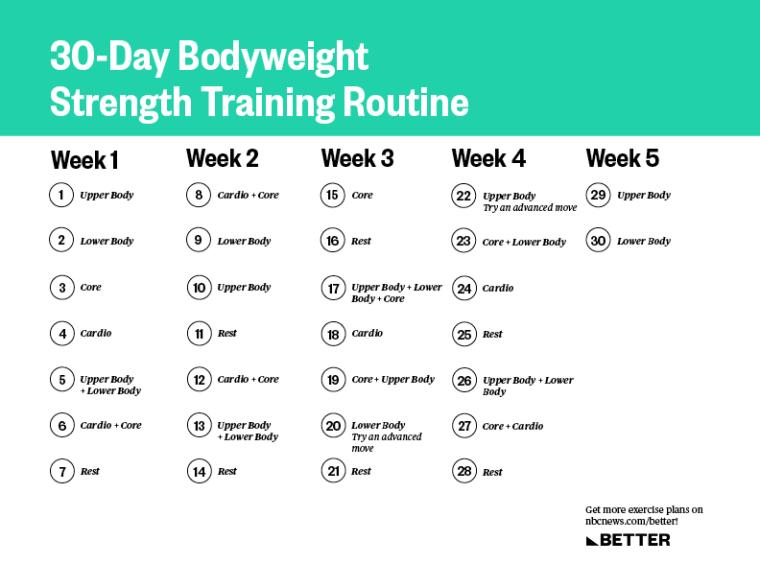
Achieving and maintaining balance and stability is essential for overall physical health and performance, impacting everything from daily activities to athletic endeavors. As individuals age, or as they engage in varied physical activities, the need for effective workout routines that prioritize these components becomes increasingly important. This article explores a range of workout routines designed to enhance balance and stability, providing insights into their benefits and detailing specific exercises that can be seamlessly integrated into personal fitness regimens. Whether you’re a beginner looking to improve your foundational strength or an advanced athlete aiming to refine your skills, these targeted workouts will aid in fostering a robust and resilient body.
Table of Contents
- Understanding Balance and Stability in Fitness
- Key Exercises to Improve Core Strength and Balance
- Integrating Balance Training into Your Workout Routine
- Evaluating Progress and Making Adjustments for Optimal Results
- Wrapping Up
Understanding Balance and Stability in Fitness
Balance and stability are crucial components of overall fitness, serving as the foundation for various physical activities. By incorporating specific exercises into your routine, you can enhance your body’s ability to maintain equilibrium, which is essential for performance in both everyday tasks and athletic endeavors. Key benefits of improving balance and stability include:
- Injury Prevention: Enhanced proprioception reduces the risk of falls and injuries.
- Improved Coordination: Better stability fosters smoother movements and agility.
- Enhanced Athletic Performance: A solid balance foundation supports more effective and powerful movements.
To create a balanced workout regimen, it’s vital to integrate exercises that target multiple muscle groups while challenging your stability. Effective methods include using balance tools such as stability balls, balance boards, or resistance bands. Here are some effective workout elements to include:
| Exercise | Focus Area | Duration/Reps |
|---|---|---|
| Single-Leg Stand | Core and Lower Body | 30 seconds each side |
| Balance Board Squats | Legs and Core | 10-15 reps |
| Stability Ball Pass | Core | 10-12 reps |
Key Exercises to Improve Core Strength and Balance
Enhancing your core strength and balance is essential for overall fitness and athletic performance. A well-rounded workout routine can incorporate various dynamic exercises that target the core muscles while simultaneously improving stability. Below are some effective exercises to consider:
- Plank Variations: Standard planks, side planks, and plank jacks can build endurance in your core.
- Russian Twists: This exercise engages the obliques while promoting rotational strength.
- Bird-Dog: A stable base is essential for maintaining balance, and this move brings focus to coordination.
- Single-Leg Deadlift: This compound movement challenges balance while strengthening your hamstrings and glutes.
Incorporating these exercises into a routine can significantly benefit both beginners and advanced individuals. The following table outlines key areas targeted by each exercise:
| Exercise | Muscle Groups Targeted | Balance Focus |
|---|---|---|
| Plank Variations | Core, Shoulders | Core Stability |
| Russian Twists | Obliques, Abdominals | Rotational Balance |
| Bird-Dog | Lower Back, Core | Coordination |
| Single-Leg Deadlift | Hamstrings, Glutes | Single-Leg Balance |
Integrating Balance Training into Your Workout Routine
Incorporating balance training into your overall fitness regimen is essential for improving stability and enhancing overall performance. This type of training not only helps in developing coordination but also reduces the risk of injuries, particularly as you age. You can effectively integrate balance exercises into your routine through various methods, such as:
- Dedicated Balance Workouts: Designate specific days of the week to focus solely on balance exercises like single-leg stands, stability ball workouts, or yoga poses.
- Incorporating Balance Challenges: Add balance components to your existing workout by incorporating Bosu balls, balance boards, or performing exercises on unstable surfaces.
- Functional Integration: Combine balance training within strength workouts, like performing squats or lunges on one leg, to enhance both strength and stability simultaneously.
To maximize the benefits, it’s crucial to progressively challenge your balance skills. You can track your progress by varying the difficulty levels of your exercises. Below is a simple table to illustrate various balance exercises along with their difficulty levels:
| Exercise | Difficulty Level |
|---|---|
| Single-leg Stand | Beginner |
| Bosu Ball Squats | Intermediate |
| Balance Board Push-ups | Advanced |
As you become more comfortable with these exercises, consider incorporating dynamic movements like walking lunges with a twist or side steps to further enhance your balance capabilities. This comprehensive approach ensures that your workouts remain engaging and effective while significantly improving your balance and stability over time.
Evaluating Progress and Making Adjustments for Optimal Results
As you progress through your workout routine aimed at enhancing balance and stability, it’s crucial to regularly assess your performance and make the necessary adjustments. This can involve a variety of methods, such as tracking your workout sessions, identifying any challenging exercises, or seeking feedback from instructors or peers. Key indicators to evaluate might include:
- Consistency: Are you sticking to your schedule?
- Improvement: Are you noticing enhancements in your balance and stability?
- Enjoyment: Do you still find your workouts engaging and motivating?
Once you’ve gathered your insights, consider how you can modify your approach to achieve optimal outcomes. Adjustments could mean altering the frequency or intensity of your workouts, incorporating new exercises, or even trying different equipment. To assist in tracking your progress over time, you might find it helpful to maintain a simple table that outlines your key metrics:
| Week | Balance Exercises | Stability Exercises | Overall Rating |
|---|---|---|---|
| 1 | 10 | 12 | 8/10 |
| 2 | 12 | 14 | 9/10 |
| 3 | 14 | 16 | 9/10 |
Wrapping Up
developing effective workout routines that focus on balance and stability is essential for enhancing overall physical fitness and preventing injury. By incorporating exercises that target core strength, proprioception, and functional movements, individuals can significantly improve their ability to maintain balance in various activities, both in daily life and athletic performance. As personal goals and fitness levels vary, it is important to tailor these routines to meet individual needs, ensuring progress and safety. With consistent practice and dedication, enhanced balance and stability can lead to a more active, healthier lifestyle. For those interested in implementing these exercises, consulting with a fitness professional can provide additional guidance and support.