


In an ever-evolving landscape of dietary trends, low-carb diets have emerged as both a popular choice and a subject of considerable debate. With promises of weight loss, enhanced energy levels, and improved health markers, these dietary approaches beckon to those seeking transformative change. Yet, alongside these enticing benefits lie a myriad of challenges that can test the resolve of even the most committed individuals. Navigating the world of low-carbohydrate eating involves understanding not only the science behind it but also the practicalities that come with altering one’s eating habits. In this article, we will embark on a comprehensive exploration of low-carb diets—examining their advantages, addressing common obstacles, and providing valuable tips to help you embark on a successful culinary journey that aligns with your health goals. Whether you’re a seasoned dieter or a curious newcomer, join us as we uncover the nuances of living low-carb in today’s fast-paced world.
Table of Contents
- Understanding the Science Behind Low-Carb Diets
- Unveiling the Health Benefits and Potential Pitfalls
- Practical Strategies for Successful Low-Carb Living
- Navigating Challenges and Maintaining Balance in Your Diet
- To Wrap It Up
Understanding the Science Behind Low-Carb Diets
Low-carb diets primarily focus on reducing carbohydrate intake while emphasizing proteins and fats. The science behind this approach lies in the body’s metabolic response to different food groups. When you consume fewer carbohydrates, your body enters a state known as ketosis, where it begins to burn fat for energy instead of glucose. This shift not only promotes weight loss but also can lead to stable blood sugar levels, making it an attractive option for individuals managing diabetes or insulin resistance. Furthermore, research suggests that the reduction in carb intake can positively impact hunger hormones, potentially reducing appetite and aiding in long-term weight management.
Another crucial aspect of low-carb diets is their effect on lipid profiles. Studies have indicated that a diet low in carbohydrates can lead to a favorable increase in high-density lipoprotein (HDL) cholesterol, often referred to as “good” cholesterol, while simultaneously lowering triglyceride levels. This dual effect can benefit cardiovascular health. Below is a simplified comparison of common macronutrient distributions in various low-carb diet variations:
| Diet Type | Carbohydrates | Proteins | Fats |
|---|---|---|---|
| Keto | 5-10% | 20-25% | 70-75% |
| Atkins | 10-30% | 30-40% | 40-55% |
| Paleo | 20-35% | 30-40% | 30-50% |
Unveiling the Health Benefits and Potential Pitfalls
Low-carb diets have gained significant popularity for their potential to promote weight loss and improve metabolic health. By significantly reducing carbohydrate intake, these diets may help individuals achieve better blood sugar control, reduce insulin levels, and enhance fat burning. Some of the reported health benefits include:
- Weight Loss: Many dieters experience rapid weight loss due to reduced insulin levels and a decrease in water weight.
- Improved Blood Sugar Levels: Lower carbohydrate intake can help stabilize blood sugar, potentially benefiting those with insulin resistance or type 2 diabetes.
- Increased Energy Levels: Some individuals report higher energy and mental clarity as their bodies adapt to burning fat for fuel instead of carbohydrates.
However, while low-carb diets can offer impressive benefits, they aren’t without their challenges. Adopting such a diet may lead to nutrient deficiencies if not well-planned, given the reduced intake of fruits, grains, and certain vegetables. Potential pitfalls include:
- Keto Flu: Some new followers experience fatigue, headaches, or irritability as their bodies transition from burning carbohydrates to burning fat.
- Social Dining Challenges: Navigating social events can become stressful as many meals are highly carb-focused, making adherence difficult.
- Long-Term Sustainability: For some, the restrictive nature of low-carb diets can lead to feelings of deprivation and result in a rebound effect.
Practical Strategies for Successful Low-Carb Living
Successfully navigating a low-carb lifestyle requires a blend of planning, creativity, and awareness. Start by meal prepping for the week; cooking in batches can save time and help you stick to your dietary goals. Incorporate a variety of low-carb vegetables into your meals, such as spinach, zucchini, and bell peppers, to ensure you get a well-rounded intake of nutrients. Experiment with cauliflower rice, zoodles (zucchini noodles), and almond flour for satisfying textures in your recipes. Keeping your kitchen stocked with low-carb staples will also help you avoid impulse purchases of high-carb foods.
Another essential strategy is to read labels diligently. Many products labeled as “low-carb” can still contain hidden sugars or carbohydrates, so it’s crucial to familiarize yourself with ingredient lists. Having a selection of healthy snacks on hand can also help curb cravings while staying within your limits. Some great options include nuts, cheese slices, and hard-boiled eggs. Additionally, consider creating a low-carb recipe book of your favorites. Over time, this collection will provide you with easy access to meal ideas and inspire you to try new dishes, keeping your diet enjoyable and sustainable.
Navigating Challenges and Maintaining Balance in Your Diet
Embarking on a low-carb diet can often feel like navigating a labyrinth of challenges that test not only your culinary creativity but also your commitment. One of the primary hurdles many face is the temptation to revert to high-carb comfort foods, especially during social gatherings or when experiencing cravings. To keep on track, it’s essential to find healthy alternatives that satisfy your cravings without sabotaging your diet. Consider incorporating low-carb snacks into your routine, such as:
- Veggie sticks with hummus
- Cheese slices or cheese sticks
- Hard-boiled eggs
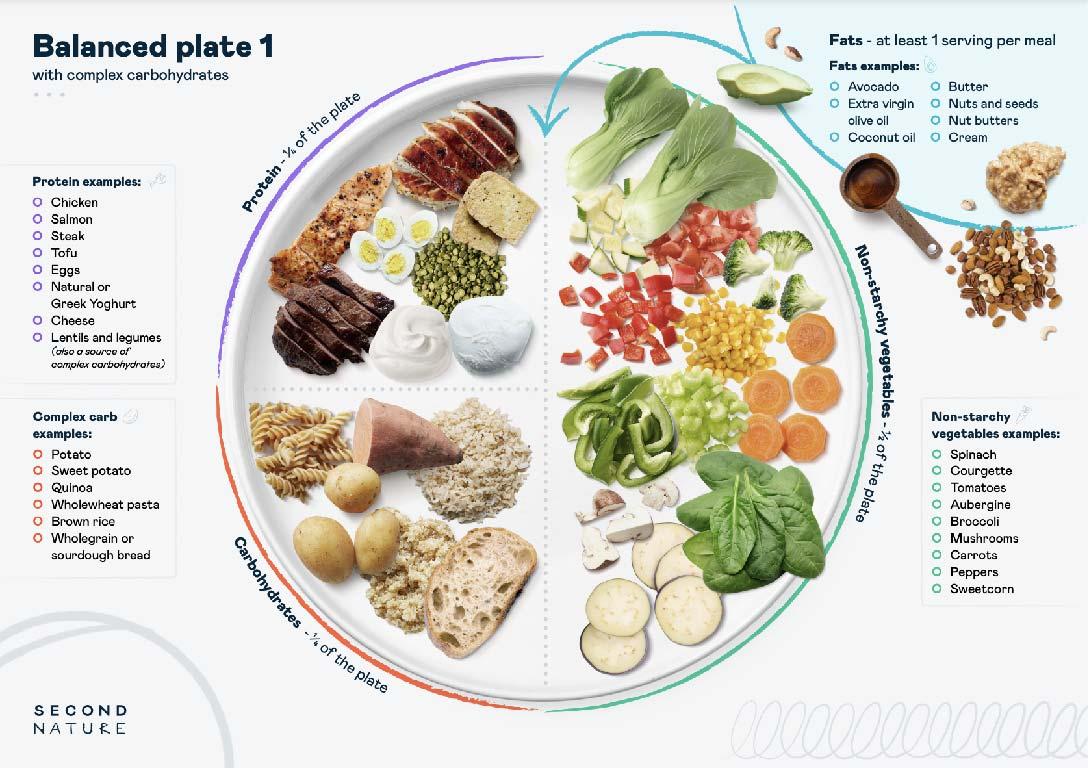
Maintaining balance while on a low-carb diet involves being mindful of your nutrient intake to prevent potential deficiencies. It’s crucial to ensure that your meals are not only low in carbs but also rich in healthy fats, high-quality proteins, and ample vegetables. Here is a brief overview of a balanced low-carb meal selection:
| Food Group | Examples |
|---|---|
| Proteins | Chicken, Salmon, Tofu |
| Healthy Fats | Avocado, Olive oil, Nuts |
| Non-Starchy Vegetables | Spinach, Broccoli, Zucchini |
To Wrap It Up
In the journey through the ins and outs of low-carb diets, we’ve traversed a landscape dotted with potential benefits, navigated the occasional pitfalls, and uncovered practical strategies to ease the transition. While the allure of shedding pounds and boosting overall health is tempting, it’s important to approach any dietary change with mindfulness and balance.
As you consider whether a low-carb lifestyle aligns with your personal health goals, remember that every body is unique, and what works for one may not suit another. Embrace the process as a holistic journey, blending your appetite for nutrition with a taste for experimentation.
Whether you’re inspired to dive right in, or you prefer to take gradual steps, the key lies in understanding your body’s responses and listening to its needs. Armed with knowledge and a sprinkle of creativity, you can redefine your relationship with food, finding joy in nourishing choices. As you explore this path, may you discover a personal roadmap to wellness that feels rewarding and sustainable. Here’s to your health—happy exploring!