


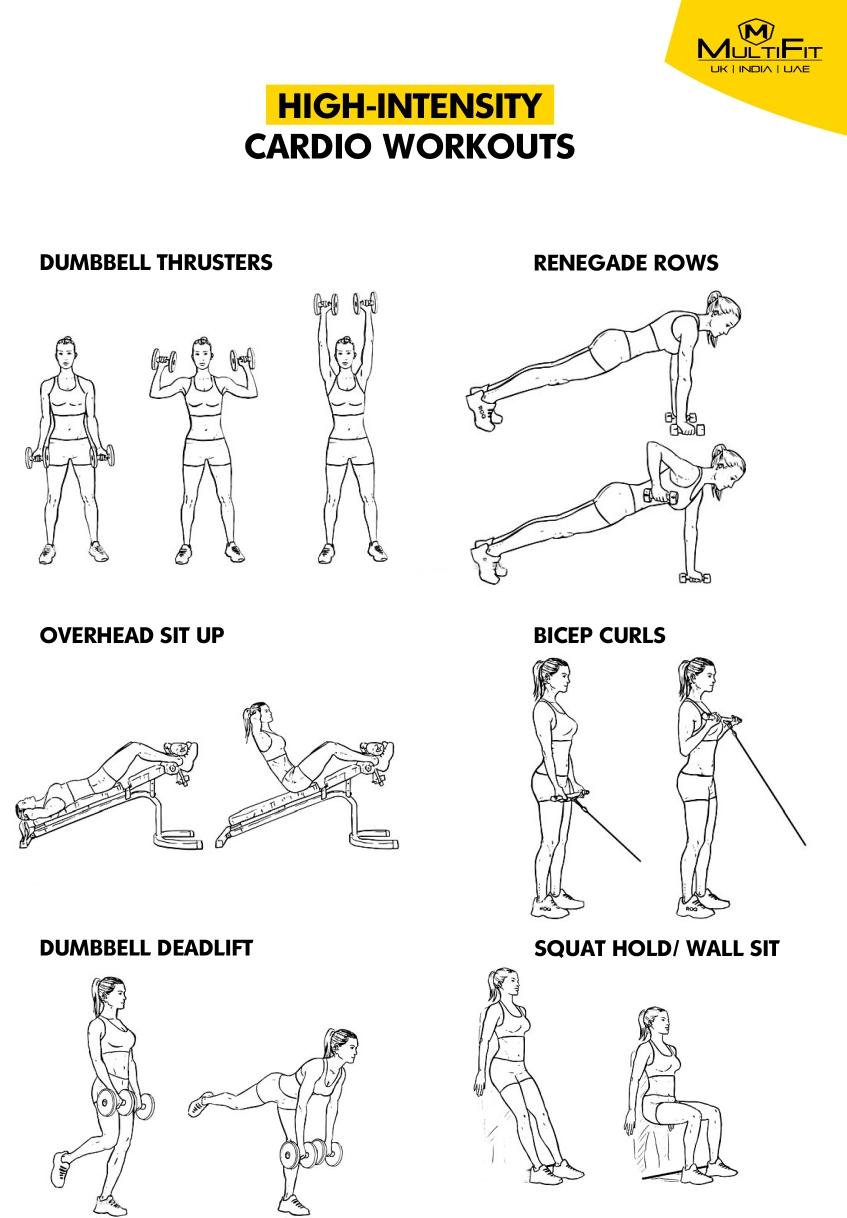
In the symphony of our daily lives, the rhythm of movement plays a pivotal role, and for many, cardio workouts take center stage. The pursuit of a healthier lifestyle often leads us to the question: when is the perfect time to invigorate our bodies and elevate our spirits through cardio? As the world spins on its axis, our schedules fill with commitments, challenges, and fleeting opportunities. Finding your perfect moment for a cardio workout is not just about timing; it’s about harmonizing your internal clock with the external rhythms of life. In this article, we will explore the ideal times to lace up your sneakers, whether under the soft glow of dawn, amidst the bustling energy of midday, or as twilight descends. By understanding how various factors influence our performance and motivation, you can discover the ideal time that aligns with your lifestyle, preferences, and physical well-being. So, let us embark on a journey to uncover those golden moments that could transform your cardio routine from a chore into a cherished ritual.
Table of Contents
- Optimal Timeframes for Cardio: Morning vs. Evening
- Understanding Your Bodys Circadian Rhythm for Effective Workouts
- Seasonal Considerations: Adapting Your Cardio Routine Year-Round
- Maximizing Results: The Role of Nutrition and Recovery in Timing
- Key Takeaways
Optimal Timeframes for Cardio: Morning vs. Evening
When considering the ideal time for cardio workouts, mornings offer a fresh start and can set a positive tone for the day ahead. Exercising early stimulates metabolism and can lead to better energy levels throughout your day. Morning cardio can help those who prefer to avoid distractions, as the world is quieter, allowing for a more focused session. Here are some benefits of morning workouts:
- Boosted metabolism: Jumpstart your calorie burn early.
- Improved mood: Release endorphins that foster a sense of well-being.
- Consistency: Easier to establish a regular routine without interruptions.
On the other hand, evening workouts can be ideal for those who thrive in a more relaxed environment after a long day. The body temperature tends to be higher later in the day, leading to enhanced muscle function and endurance. Evening cardio can also serve as an excellent stress reliever, allowing you to unwind after daily responsibilities. Consider these advantages:
- Increased strength: Higher muscle performance can lead to better results.
- Social aspect: Group classes or running with friends often take place in the evening.
- Flexibility: More time to plan intense workouts without morning rush.
Understanding Your Bodys Circadian Rhythm for Effective Workouts
Our bodies are finely tuned systems that operate on a natural clock known as the circadian rhythm. This internal mechanism dictates various physiological processes, including energy levels, hormone production, and even muscle performance. Recognizing how these cycles play out throughout the day can significantly enhance your cardio workouts. Typically, your body experiences increased alertness and muscle strength in the late afternoon and early evening, making it an ideal time for high-intensity exercise. In contrast, early morning sessions can feel challenging for many due to lower body temperature and stiffness from overnight rest.
To maximize your workout efficiency, consider these optimal cardio timeframes based on the body’s natural rhythms:
- Early Morning (6 AM – 8 AM): Quick, energizing workouts can boost mood and metabolism for the day ahead.
- Mid-Morning (9 AM – 11 AM): Cardiovascular efficiency is generally higher, perfect for moderate to intense sessions.
- Afternoon (3 PM – 5 PM): Peak strength and endurance make this the golden window for high-intensity training.
- Evening (6 PM – 8 PM): A great time for varied cardio workouts as your body is fully awake and prepared for exertion.
Understanding your body’s rhythm can also help prevent injuries and enhance recovery. Here’s a simplified overview of strength and recovery potential throughout the day:
| Time of Day | Muscle Strength | Cardio Performance | Recovery Rate |
|---|---|---|---|
| Morning | Moderate | Low | Slow |
| Afternoon | High | Peak | Optimal |
| Evening | Good | High | Moderate |
Seasonal Considerations: Adapting Your Cardio Routine Year-Round
Adapting your cardio routine throughout the year can significantly enhance your motivation and yield better results. As the seasons change, so too should your approach to cardiovascular exercise. For example, during the warm summer months, the early morning or evening hours can provide the most comfortable temperatures, allowing you to enjoy outdoor activities like jogging, cycling, or even group workouts in the park. On the other hand, winter may call for adjustments like incorporating indoor activities such as treadmill running or high-intensity interval training (HIIT) classes. Embracing a flexible mindset about when and where you work out is key to staying engaged and committed.
Spring and fall offer unique opportunities for cardio enthusiasts to take advantage of the transitional weather. You might choose to participate in outdoor events like charity walks or fun runs, which are often abundant during these seasons. To help you keep track of your seasonal cardio options, consider the following:
| Season | Cardio Ideas | Adjustments |
|---|---|---|
| Spring | – Nature trail runs – Cycle through blooming parks |
Focus on hydration and sunscreen |
| Summer | – Beach workouts – Pool aerobics |
Prefer early/late sessions to avoid heat |
| Fall | – Hiking in colorful landscapes – Outdoor group classes |
Layer clothing for changing temperatures |
| Winter | – Indoor cycling – Dance or fitness classes |
Maintain warmth with proper gear |
By aligning your cardio workouts with seasonal changes, not only do you keep the workouts interesting, but you also cultivate a deeper connection with your environment. Whether it’s the fresh blooms of spring or the vibrant hues of autumn, let the natural world inspire your routine and keep you engaged all year long.
Maximizing Results: The Role of Nutrition and Recovery in Timing
To extract the highest performance from your cardio sessions, tuning in to your body’s nutritional needs can make all the difference. Hydration is paramount; water not only fuels your muscles but also aids in recovery. Consider incorporating foods rich in complex carbohydrates and lean proteins into your pre-workout meals to provide sustained energy and support muscle repair. Some beneficial choices include:
- Oatmeal topped with fruits
- Greek yogurt with nuts
- Whole grain toast with avocado
Equally important as what you consume is when you recover. Post-workout nutrition can enhance your body’s repair process and optimize future workouts. Aim for a combination of proteins and carbohydrates within 30 minutes of completing your cardio. This is your body’s prime time for nutrient absorption. Here’s a quick reference of effective post-workout snacks:
| Snack | Benefits |
| Protein shake | Quick protein boost |
| Banana with peanut butter | Carbs and healthy fats |
| Cottage cheese with pineapple | Protein and natural sugars |
Key Takeaways
As we’ve explored in this article, the search for your perfect moment to engage in cardio workouts is as unique as each individual embarking on a fitness journey. Whether you find solace in the quiet dawn hours, the invigorating glow of midday, or the tranquil embrace of twilight, the key lies in understanding your body’s rhythms and personal preferences. Remember, the most effective workout is not just about intensity or duration, but rather about finding a time that resonates with you—one that transforms exercise from a chore into a cherished ritual. So, as you lace up your running shoes or hop on your favorite cardio machine, embrace the joy of movement in the moment that feels right for you. Your perfect time awaits—now go out and discover it!