


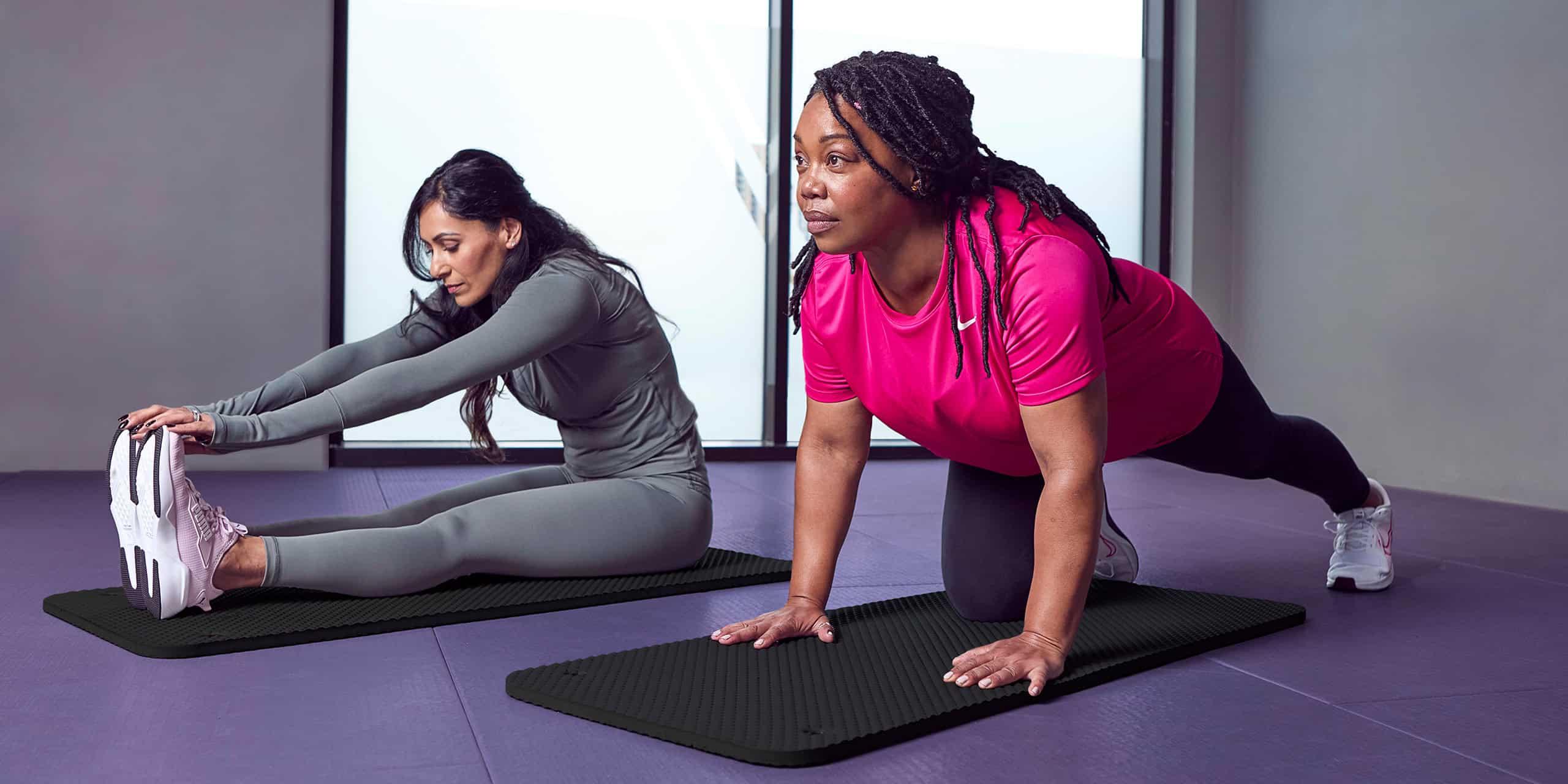
When it comes to achieving fitness goals, a well-rounded lower body workout is essential for individuals at any skill level. Engaging the muscles in the legs, hips, and glutes not only improves strength and endurance but also enhances overall athletic performance and stability. Whether you’re a beginner seeking to establish a solid foundation, an intermediate fitness enthusiast looking to refine your technique, or an advanced athlete aiming to push your limits, understanding effective workout techniques is crucial. This article will explore a variety of lower body exercises tailored to different fitness levels, providing insights into proper form, recommended repetitions, and key benefits to help you maximize your performance and reach your fitness targets safely and efficiently.
Table of Contents
- Understanding the Importance of Lower Body Workouts for Overall Fitness
- Key Exercises for Targeting Major Muscle Groups in the Lower Body
- Incorporating Flexibility and Mobility Drills into Lower Body Routines
- Adapting Lower Body Workouts for Different Fitness Levels and Goals
- Concluding Remarks
Understanding the Importance of Lower Body Workouts for Overall Fitness
Lower body workouts are essential components of a well-rounded fitness regime, playing a crucial role in enhancing overall health and physical performance. Engaging the largest muscle groups in the body—such as the glutes, quadriceps, hamstrings, and calves—not only improves muscle strength and endurance but also significantly contributes to metabolic health. By incorporating these exercises, you can optimize functionality in daily activities, whether it’s climbing stairs or lifting heavy objects. Strengthening the lower body facilitates better balance and stability, reducing the risk of falls and injuries in everyday life.
Moreover, lower body training can facilitate effective calorie burning and weight management. By amplifying your body’s core strength, these exercises also improve posture, which is essential for athletic performance in sports or other physical endeavors. Some key benefits of lower body workouts include:
- Improved Athletic Performance: Strengthening leg muscles aids in activities like running and cycling.
- Enhanced Muscle Definition: Targeting lower body muscles leads to toned legs and a lifted buttocks.
- Increased Bone Density: Weight-bearing exercises boost bone strength and reduce osteoporosis risks.
Key Exercises for Targeting Major Muscle Groups in the Lower Body
To effectively engage the major muscle groups in the lower body, a combination of exercises targeting the quadriceps, hamstrings, glutes, and calves is essential. Incorporating the following movements into your routine can help maximize strength and endurance:
- Squats: This foundational exercise activates the quads, hamstrings, and glutes while also improving balance and stability.
- Lunges: Forward and reverse lunges effectively engage multiple muscle groups, promoting both strength and flexibility.
- Deadlifts: A superb compound exercise that primarily targets the hamstrings and glutes while also enhancing core strength.
- Calf Raises: Simple yet effective, calf raises isolate and strengthen the calf muscles, contributing to improved ankle stability.
Incorporating different variations of these exercises can further enhance your workout. Below is a quick reference table to illustrate some variations along with technical focus:
| Exercise Variation | Primary Focus |
|---|---|
| Sumo Squats | Inner Thighs & Glutes |
| Walking Lunges | Balance & Coordination |
| Single-Leg Deadlifts | Stability & Core Engagement |
| Seated Calf Raises | Isolation of Calves |
Incorporating Flexibility and Mobility Drills into Lower Body Routines
enhances overall performance while reducing the risk of injuries. These drills can improve range of motion and allow for better muscle activation during strength exercises. To effectively blend these essential components into your workout, consider adopting dynamic stretching and mobility exercises before your main routine. Here are some effective drills to include:
- Leg Swings: Forward and sideways swings to loosen up hip joints and improve hamstring flexibility.
- Walking Lunges: Incorporating a twist at the torso can promote hip mobility and core engagement.
- Hip Circles: Rotating the hips can enhance joint flexibility and alignment.
Post-strength training, it’s equally crucial to integrate static stretches that target the muscles worked during your routine. This practice not only promotes recovery but also aids in muscle relaxation and elongation. Consider implementing the following stretches:
| Stretch | Targeted Muscle Group |
|---|---|
| Hamstring Stretch | Hamstrings |
| Quad Stretch | Quadriceps |
| Calf Stretch | Calves |
By thoughtfully incorporating these mobility and flexibility routines into existing lower body workouts, individuals of all fitness levels can achieve enhanced movement quality, contribute to a well-rounded fitness program, and foster longevity in their training endeavors.
Adapting Lower Body Workouts for Different Fitness Levels and Goals
When tailoring lower body workouts to suit various fitness levels, it’s essential to consider individual capabilities and development. Beginners can benefit from focusing on fundamental movements that enhance strength and flexibility, such as bodyweight squats, lunges, and glute bridges. These exercises not only improve muscle engagement but also promote proper form and technique. As they progress, individuals can incorporate light weights and resistance bands to gradually increase intensity. More advanced participants might explore compound movements and explosive exercises, such as barbell squats, deadlifts, and plyometric jumps, to challenge their stamina and agility.
Moreover, setting specific fitness goals can significantly shape a lower body workout regimen. For example, individuals aiming for muscle hypertrophy may opt for exercises performed at higher intensities with lower repetitions, such as weighted step-ups or leg presses. Conversely, those targeting endurance can focus on higher repetitions and bodyweight exercises, emphasizing longer movements like circuit training. Below is a concise table summarizing workouts based on fitness goals:
| Fitness Goal | Recommended Exercises |
|---|---|
| Strength | Weighted Squats, Deadlifts, Lunges |
| Endurance | Bodyweight Squats, High Reps Lunges, Cycling |
| Hypertrophy | Barbell Squats, Leg Press, Bulgarian Split Squats |
| Flexibility | Dynamic Stretching, Yoga, Pilates |
Concluding Remarks
incorporating effective lower body workout techniques can significantly enhance overall fitness, regardless of your current fitness level. By focusing on a balanced approach that includes strength training, flexibility exercises, and cardiovascular activities, individuals can achieve their fitness goals while minimizing the risk of injury. It is essential to tailor workouts to one’s specific needs, progress gradually, and remain consistent in practice. As always, consulting with a fitness professional can provide additional guidance and support. With dedication and the right techniques, anyone can strengthen their lower body and improve their overall physical performance.