


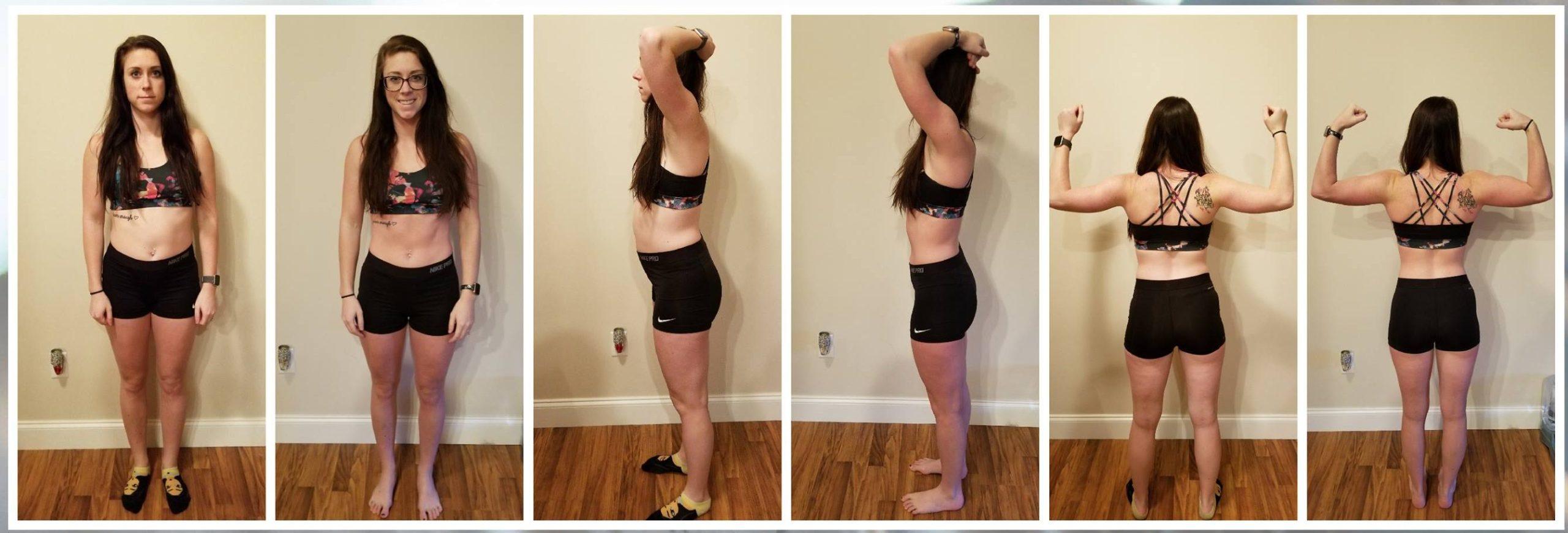
In a world brimming with distractions, the quest for wellness often feels like navigating a labyrinth. Each twist and turn reveals new challenges, obstacles, and opportunities that shape our paths toward improved health. Just as an explorer charts their course on a map, tracking fitness progress can illuminate our journeys, helping us understand where we’ve been, where we are, and where we aspire to go. This article delves into the art of mapping your fitness journey—exploring innovative methods, tools, and practices that empower you to monitor your progress and maintain motivation. By sketching out the milestones of improvement and celebrating achievements, we can turn our wellness aspirations into a tangible roadmap, guiding us through the intricate landscape of personal health and fitness. Join us as we uncover the significance of tracking your progress and discover how intentional mapping can lead to profound transformations on your journey to wellness.
Table of Contents
- Understanding Your Baseline: The Importance of Initial Assessments
- Tools and Techniques: Effective Ways to Monitor Your Fitness Journey
- Setting Realistic Goals: Crafting a Roadmap to Success
- Celebrating Milestones: The Role of Reflection in Continuous Improvement
- Future Outlook
Understanding Your Baseline: The Importance of Initial Assessments
Beginning any fitness journey without a clear starting point is akin to setting sail without a map. Initial assessments serve as your compass, guiding you through the intricate landscape of your wellness journey. They provide a comprehensive snapshot of your current health status, which is essential for personalized goal-setting. Key metrics to consider during your assessment may include:
- Body Composition: Understanding your muscle to fat ratio.
- Cardiovascular Health: Measuring your resting heart rate and endurance level.
- Flexibility Assessments: Evaluating your range of motion.
- Strength Tests: Identifying your baseline strength capabilities.
Utilizing this data not only sets realistic expectations but also inspires accountability. By documenting your initial metrics, you create a solid foundation for tracking progress—one that can be revisited and refined as you advance. Establishing a strong baseline is crucial for recognizing achievements and making adjustments along the way. Below is a simplified table illustrating a typical initial assessment breakdown:
| Assessment Type | Initial Measurement |
|---|---|
| Body Fat Percentage | 20% |
| Resting Heart Rate | 72 bpm |
| Flexibility – Sit and Reach | 12 inches |
| One Rep Max Squat | 150 lbs |
Tools and Techniques: Effective Ways to Monitor Your Fitness Journey
To effectively track your fitness progress, consider incorporating a variety of tools and techniques into your routine. Mobile applications such as MyFitnessPal or Strava provide users with capabilities to log workouts, assess caloric intake, and analyze performance trends over time. Wearable devices, like fitness trackers and smartwatches, serve as reliable companions, offering real-time feedback about heart rate, steps taken, and sleep quality. This data can be invaluable when evaluating your overall health and making necessary adjustments to your fitness plan.
Additionally, visual aids can enhance your monitoring efforts. Create a simple progress chart to visually depict your achievements, helping to maintain motivation. Consider using a table to summarize key metrics weekly, such as workouts completed, weight lifted, or miles run. For instance:
| Week | Workouts | Calories Burned | Distance (miles) |
|---|---|---|---|
| 1 | 5 | 1200 | 15 |
| 2 | 6 | 1450 | 19 |
| 3 | 5 | 1300 | 16 |
By regularly updating this table and reflecting on your metrics, you maintain a clear picture of your ongoing journey, allowing for informed decisions that propel you toward your wellness goals.
Setting Realistic Goals: Crafting a Roadmap to Success
Setting achievable milestones is essential in the pursuit of fitness success. Start by identifying your ultimate vision for wellness, then break it down into smaller, actionable goals. Consider the following elements as you map out your journey:
- Specificity: Define what you want to achieve, whether it’s losing weight, building muscle, or improving endurance.
- Measurable: Ensure that your goals include quantifiable metrics to track progress. For example, aim to run a 5K in under 30 minutes within three months.
- Achievable: Set realistic goals based on your current fitness level. Aiming for too much too soon can lead to frustration and burnout.
- Relevance: Make sure your goals align with your personal interests and long-term wellness objectives.
- Time-bound: Assign deadlines to your goals to maintain motivation and accountability.
Once you have crafted your goals, create a tracking system to monitor your progress. This can be a simple table you update weekly, providing a visual representation of your achievements:
| Week | Goal | Progress | Notes |
|---|---|---|---|
| 1 | Jog for 15 minutes | ✔️ Achieved | Felt great, aim for 20 minutes next week. |
| 2 | Incorporate strength training 2x/week | ✔️ Achieved | New routines are challenging but fun! |
| 3 | Reduce sugar intake | ❌ Partially | Need to work on snacks. |
Celebrating Milestones: The Role of Reflection in Continuous Improvement
Every journey towards better fitness is dotted with milestones that deserve recognition. Celebrating these achievements, whether big or small, serves as a powerful motivator, propelling us further on our path to wellness. Reflecting on how far you’ve come allows you to identify strengths and areas for improvement in your routine. For instance, take a moment to consider:
- What challenges you’ve overcome.
- New skills you’ve developed.
- How your body feels differently compared to day one.
This process of reflection doesn’t just acknowledge past successes; it also paves the way for future goals. Tracking your progress in a tangible way can amplify this effect. Utilizing tools like fitness journals or digital apps can provide insightful data to help you refine your strategy. A simple table can help visualize your achievements:
| Milestone | Date Achieved | Reflection |
|---|---|---|
| First 5K Run | March 10 | Feeling stronger than ever! |
| 10 lbs Weight Loss | June 5 | Improved energy levels. |
| Yoga Class Consistency | September 12 | Enhanced flexibility and mental calm. |
Future Outlook
As we draw the curtain on our exploration of mapping your journey through fitness progress, it becomes clear that the path to wellness is a uniquely personal odyssey. Each step taken, each milestone celebrated, contributes to a larger tapestry of growth and self-discovery. By diligently tracking your progress, you are not merely counting numbers; you are crafting a narrative of resilience, determination, and evolution.
Embrace the tools and techniques we’ve discussed, for they serve as your compass in this ever-changing landscape of health and wellness. Whether you choose to document your journey through apps, journals, or visual charts, remember that progress is not always linear. It may twist and turn, but every twist adds depth to your story.
As you continue to navigate this journey, let curiosity guide your exploration, and patience nurture your progress. By honoring your achievements, no matter how small, you are cultivating a mindset that celebrates the journey as much as the destination. So, equip yourself with knowledge, remain committed to your goals, and keep moving forward—your journey to wellness is worthy of every step taken. The map may be yours to create, but each stride you take holds the promise of a stronger, healthier future. Safe travels on your path to wellness!